


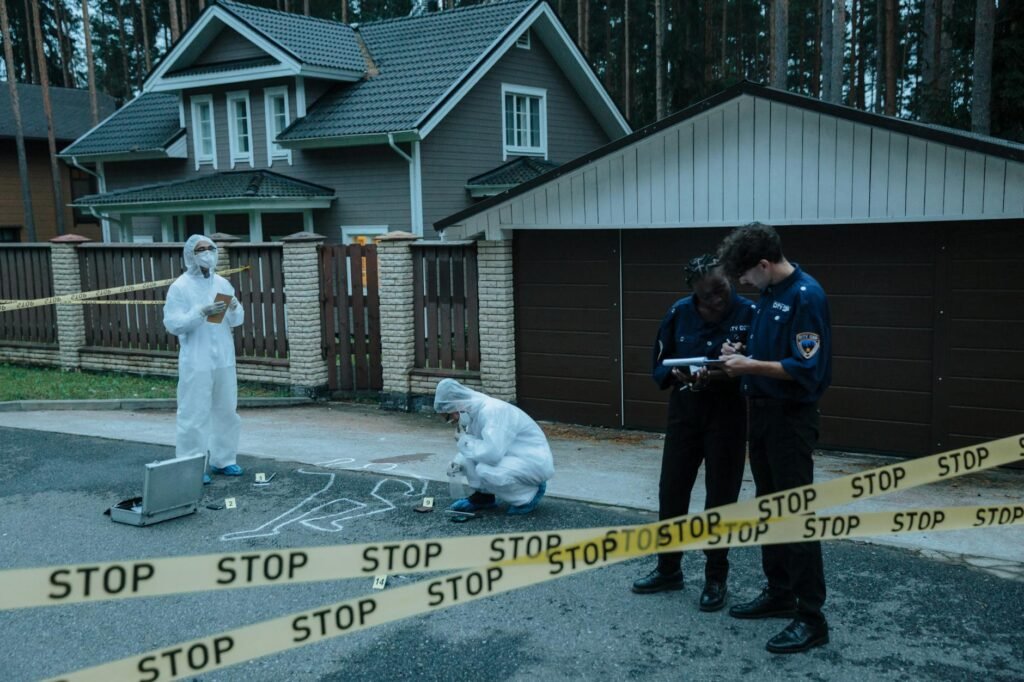
Authorities in Britain are facing intense scrutiny and a widening investigation into the conduct of police officers who handcuffed a dying student, Henry Nowak, in a case that has ignited significant public and political outrage. The incident, which has drawn widespread condemnation, centers on the actions of law enforcement personnel who allegedly applied restraints to Mr. Nowak while he was in a critical, life-threatening condition following a stabbing. The circumstances surrounding the initial incident and the subsequent actions of the officers are now the subject of a thorough review, with calls for accountability and transparency growing louder.
The case has rapidly escalated from a tragic individual event to a matter of national concern, prompting discussions about police procedures, the use of force, and the treatment of individuals in medical distress. Information reaching Tahir Rihat suggests that the investigation is examining not only the immediate actions of the officers at the scene but also the broader protocols governing police interaction with individuals who are severely injured or incapacitated. The politicization of the case underscores the deep-seated anxieties and debates surrounding policing in the United Kingdom, particularly in the wake of previous controversies involving police conduct.
Details emerging from the investigation indicate that Mr. Nowak, a student, was the victim of a stabbing incident. While he was reportedly in a dire state, succumbing to his injuries, officers present at the scene proceeded to handcuff him. This action has been widely criticized as being both unnecessary and inhumane, raising serious questions about the judgment and empathy of the officers involved. Critics argue that the primary focus should have been on providing immediate medical assistance or ensuring the student’s comfort in his final moments, rather than applying restraints.
The Independent Office for Police Conduct (IOPC), the body responsible for overseeing police complaints and misconduct in England and Wales, has confirmed its involvement in the investigation. The IOPC’s mandate is to ensure that police actions are scrutinized independently and impartially, and its engagement in this case signals the gravity with which the incident is being treated. Sources close to the investigation have indicated that the review will meticulously reconstruct the events leading up to and following the stabbing, paying particular attention to the decision-making processes of the officers on site. The aim is to determine whether the actions taken were proportionate, lawful, and in line with established policing standards, especially when dealing with individuals in a vulnerable and life-threatening condition.
The family of Henry Nowak has been at the forefront of demanding answers and justice. Their anguish has resonated with the public, amplifying the calls for a comprehensive and transparent investigation. Legal experts and civil liberties advocates have also weighed in, highlighting the potential for such actions to erode public trust in law enforcement. They emphasize the importance of officers exercising discretion and prioritizing the welfare of individuals, particularly when those individuals are clearly in a state of extreme distress or medical emergency. The application of handcuffs in such circumstances is being questioned as a potential breach of human rights and a failure to uphold basic principles of decency.
The broader implications of this case extend to the training and oversight mechanisms within police forces across the UK. There is a growing demand for a review of existing training modules that address the handling of medical emergencies and the use of restraints on vulnerable individuals. The incident serves as a stark reminder of the critical need for continuous professional development and robust accountability frameworks to ensure that police officers consistently act with professionalism, compassion, and adherence to the highest ethical standards. The outcome of the investigation is keenly awaited, with many hoping it will lead to meaningful reforms and prevent similar tragedies from occurring in the future.
The political dimension of the case has also become prominent, with several Members of Parliament raising concerns in parliamentary sessions and calling for urgent action. Opposition parties have seized on the incident to criticize the government’s record on policing and justice. The Home Secretary has reportedly been briefed on the situation and is expected to make a statement once the initial stages of the investigation have yielded clearer findings. The pressure on the police force and the government to provide a satisfactory explanation and demonstrate a commitment to reform is immense. The public’s expectation is that this investigation will not only provide answers for the Nowak family but also lead to tangible changes in police practice.
The investigation is expected to delve into the specific circumstances of the stabbing itself, including the identity of the assailant and the events that led to Mr. Nowak being in such a critical state. However, the primary focus of the current inquiry, as reported by various outlets, remains on the actions of the police officers who attended the scene. The question of whether the handcuffs were applied before or after medical professionals were called, or whether any attempt was made to assess Mr. Nowak’s condition before restraining him, are crucial elements that the IOPC will seek to clarify. The findings are anticipated to have a significant impact on public perception and trust in the police service.


Tahir Rihat (also known as Tahir Bilal) is an independent journalist, activist, and digital media professional from the Chenab Valley of Jammu and Kashmir, India. He is best known for his work as the Online Editor at The Chenab Times.