


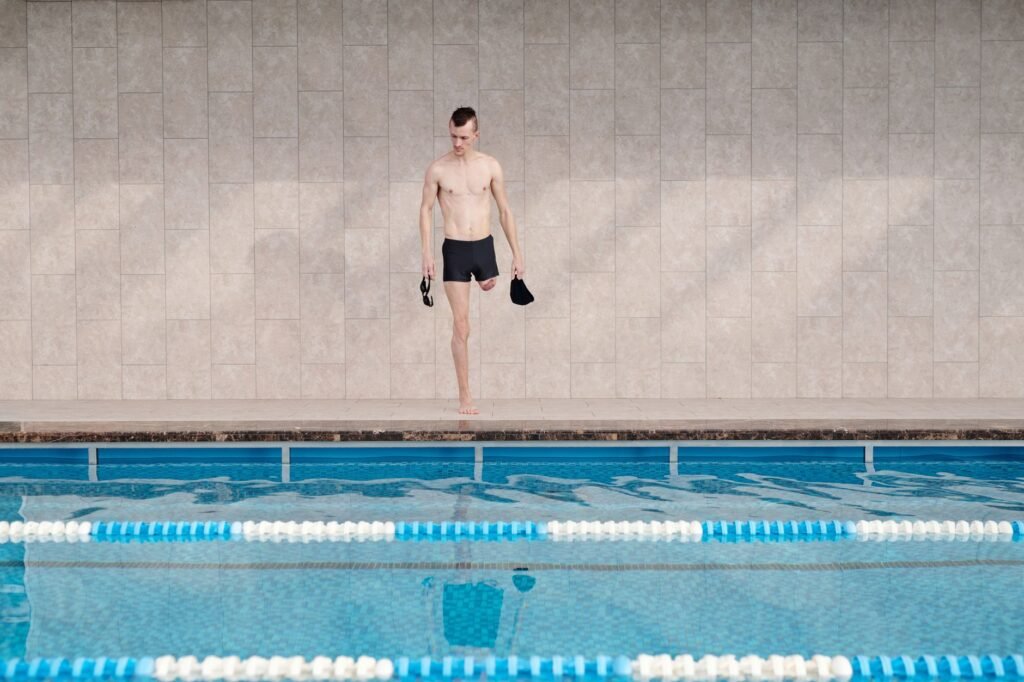
As the ongoing conflict in Ukraine continues to exact a heavy toll, a growing number of individuals are confronting life-altering injuries, with amputations becoming a stark reality for many. In the face of such profound physical challenges, a remarkable wave of resilience is emerging as these war amputees are discovering new avenues for healing, community, and self-empowerment through adaptive sports. This burgeoning movement is not only helping them to reclaim their physical capabilities but also to redefine their understanding of personal limits and possibilities.
Information reaching Tahir Rihat suggests that a significant number of Ukrainian soldiers and civilians who have lost limbs are now actively engaging in sports like wakeboarding and Brazilian jiu-jitsu. These activities, once perhaps considered beyond their reach, are proving to be powerful tools in their rehabilitation and reintegration into society. The physical demands of these sports, while substantial, are being met with an extraordinary level of determination and a shared spirit of camaraderie among participants.
The embrace of wakeboarding, a water sport that combines elements of water skiing, snowboarding, and surfing, offers a unique challenge for amputees. It requires balance, core strength, and coordination, all of which can be significantly impacted by limb loss. However, with specialized equipment and adaptive techniques, individuals are learning to navigate the water, experiencing the thrill of gliding across the surface. This pursuit fosters a sense of accomplishment and freedom, allowing them to reconnect with activities that bring joy and a feeling of normalcy.
Similarly, Brazilian jiu-jitsu, a martial art and combat sport system that focuses on grappling and ground fighting, is providing a different, yet equally valuable, outlet. The discipline and strategic thinking involved in jiu-jitsu, coupled with the physical exertion, are proving beneficial. For amputees, it offers a way to build strength, improve proprioception, and develop problem-solving skills in a controlled environment. The close-contact nature of the sport also fosters deep bonds and mutual respect among practitioners, creating a supportive network for those dealing with similar experiences.
The rise of these adaptive sports programs is a testament to the indomitable spirit of the Ukrainian people. It highlights a shift in perspective, moving from focusing on what has been lost to celebrating what can still be achieved. The shared experiences in these sporting arenas are creating powerful bonds, forging a community where individuals can support each other, share their struggles, and celebrate their victories, both on and off the mat or the water. This collective effort is crucial in navigating the complex emotional and physical landscape that follows such severe injuries.
Experts in rehabilitation and sports psychology have noted the significant therapeutic benefits of engaging in physical activity, particularly for individuals recovering from trauma and injury. The release of endorphins, the improvement in motor skills, and the boost in self-confidence are all critical components of recovery. For amputees, the adaptive nature of these sports ensures that they can participate meaningfully, fostering a sense of agency and control over their bodies and their lives. The New York Times reported on similar trends emerging in other conflict zones, underscoring the universal human need for resilience and adaptation in the face of adversity.
The infrastructure and training required for these adaptive sports are growing, often with the support of international organizations and local charities. These initiatives are not just about physical training; they are about rebuilding lives, fostering hope, and demonstrating that a fulfilling and active life is possible even after significant physical trauma. The stories emerging from Ukraine are powerful narratives of human endurance, innovation, and the enduring power of sport to heal and unite.


Tahir Rihat (also known as Tahir Bilal) is an independent journalist, activist, and digital media professional from the Chenab Valley of Jammu and Kashmir, India. He is best known for his work as the Online Editor at The Chenab Times.