


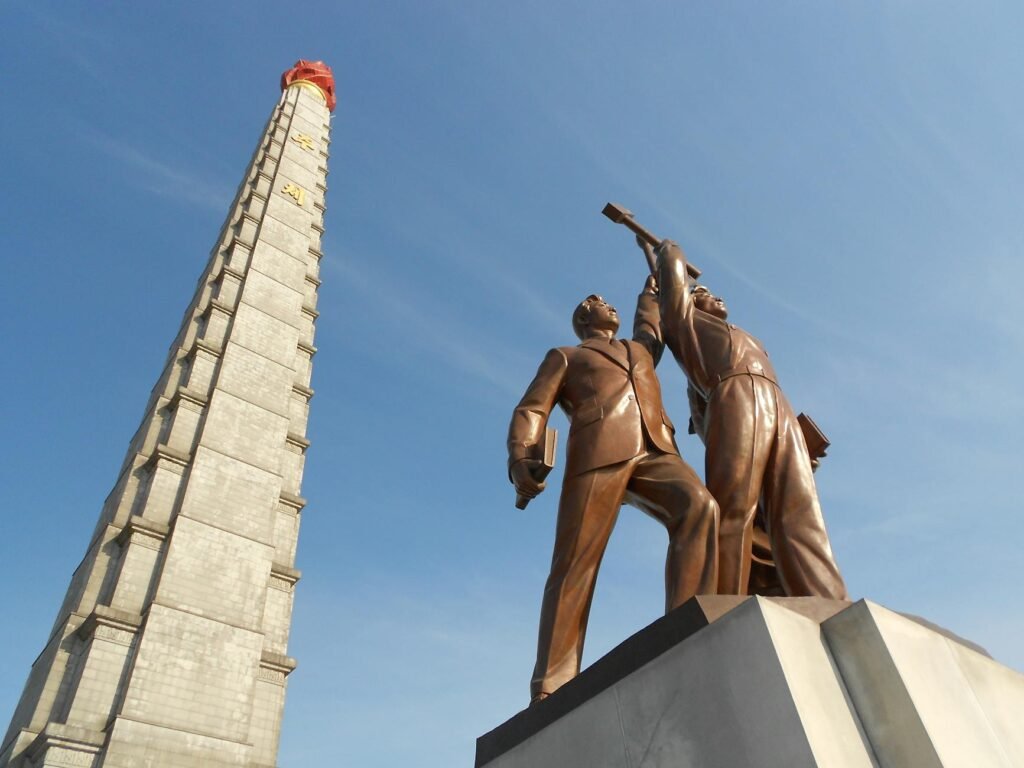
Kim Jong-un has emerged from the geopolitical turmoil ignited by the war in Ukraine as North Korea’s most powerful leader to date. The conflict, which has reshaped global alliances and strained international resources, has inadvertently provided a fertile ground for the North Korean regime to consolidate its authority and advance its strategic objectives. The ensuing global focus on Eastern Europe, coupled with the diversion of attention and resources from other regions, has created a strategic window for Pyongyang to pursue its nuclear and missile programs with less immediate international scrutiny.
Information reaching Tahir Rihat suggests that the war has also had a significant impact on global supply chains and the international arms market. This has created opportunities for North Korea, which has long been under stringent international sanctions, to potentially engage in illicit trade and bolster its economy through covert channels. The demand for certain types of military hardware and raw materials, exacerbated by the conflict, may have opened avenues for Pyongyang to circumvent sanctions and acquire much-needed foreign currency. This economic leverage, in turn, strengthens Kim Jong-un’s domestic position, allowing him greater flexibility in resource allocation and internal policy implementation.
The international community’s preoccupation with the conflict in Ukraine has also led to a recalibration of diplomatic priorities. While the United States and its allies have been heavily engaged in supporting Ukraine, this has inevitably diminished the bandwidth available for addressing other pressing security concerns, including the North Korean nuclear threat. This shift in focus has allowed Pyongyang to conduct missile tests and make pronouncements with a degree of impunity that might have been met with a more robust and immediate international response in different circumstances. The perceived reduction in immediate external pressure has emboldened the North Korean leadership to project an image of strength and defiance.
Moreover, the war in Ukraine has underscored the complexities of international diplomacy and the limitations of sanctions as a sole tool for coercion. The resilience of Russia in the face of unprecedented sanctions, while facing significant challenges, has provided a case study that may inform North Korea’s own strategies for navigating international pressure. Kim Jong-un, observing these developments, is likely to have drawn lessons on how to manage external economic and political isolation, potentially reinforcing his belief in the efficacy of self-reliance and strategic brinkmanship. The prolonged nature of the conflict and the ongoing debates about its resolution have created an environment where North Korea can continue to develop its capabilities without facing the immediate, unified, and overwhelming diplomatic or military pressure that might have been anticipated in a less complex global landscape.
The strategic implications of the Ukraine war for Kim Jong-un’s leadership extend to the realm of international relations and alliance dynamics. The war has highlighted the importance of strategic partnerships and the potential for non-Western powers to exert greater influence. North Korea, while not directly involved, has benefited from the broader geopolitical realignments. The perceived weakening of Western influence in certain spheres and the emergence of alternative power centers may encourage Pyongyang to pursue a more assertive foreign policy, believing that its actions will be met with a more fragmented and less decisive international response. This environment allows Kim Jong-un to portray himself domestically as a leader capable of navigating a complex and hostile international environment, thereby solidifying his image as a strongman defending the nation’s sovereignty.
The economic fallout from the Ukraine war, including energy price volatility and inflationary pressures, has also had ripple effects that indirectly benefit North Korea. While the global economy grapples with these challenges, the relative stability of North Korea’s tightly controlled economy, albeit at a low level of development, may be presented internally as a testament to the regime’s management. Furthermore, the diversion of international aid and development resources towards Ukraine and its refugees means that less attention and fewer resources are available for humanitarian assistance or development projects in other regions, including the Korean Peninsula. This further isolates North Korea from external support, reinforcing its reliance on internal resources and its own strategic maneuvering.
The ongoing military support provided to Ukraine by various nations has also inadvertently contributed to a global demand for military equipment and expertise. This has created a potential market for North Korea’s arms exports, which have historically been a source of revenue despite international sanctions. While concrete evidence of large-scale new deals may be scarce or covert, the general increase in global military spending and the demand for certain types of weaponry could provide Pyongyang with opportunities to offload surplus or older inventory, thereby generating much-needed foreign currency. This economic boost, however modest, can be significant for a country under severe economic strain, and it directly contributes to the regime’s ability to fund its military programs and maintain internal stability.
In essence, the war in Ukraine has created a complex web of geopolitical, economic, and diplomatic factors that have coalesced to enhance Kim Jong-un’s standing. The conflict has served as a catalyst, allowing him to exploit global distractions and realignments to his regime’s advantage. The international community, while grappling with the immediate crisis in Eastern Europe, faces the daunting challenge of simultaneously managing the persistent threat posed by North Korea’s nuclear ambitions, a threat that has been inadvertently amplified by the very global instability that the Ukraine war has unleashed.


Tahir Rihat (also known as Tahir Bilal) is an independent journalist, activist, and digital media professional from the Chenab Valley of Jammu and Kashmir, India. He is best known for his work as the Online Editor at The Chenab Times.