


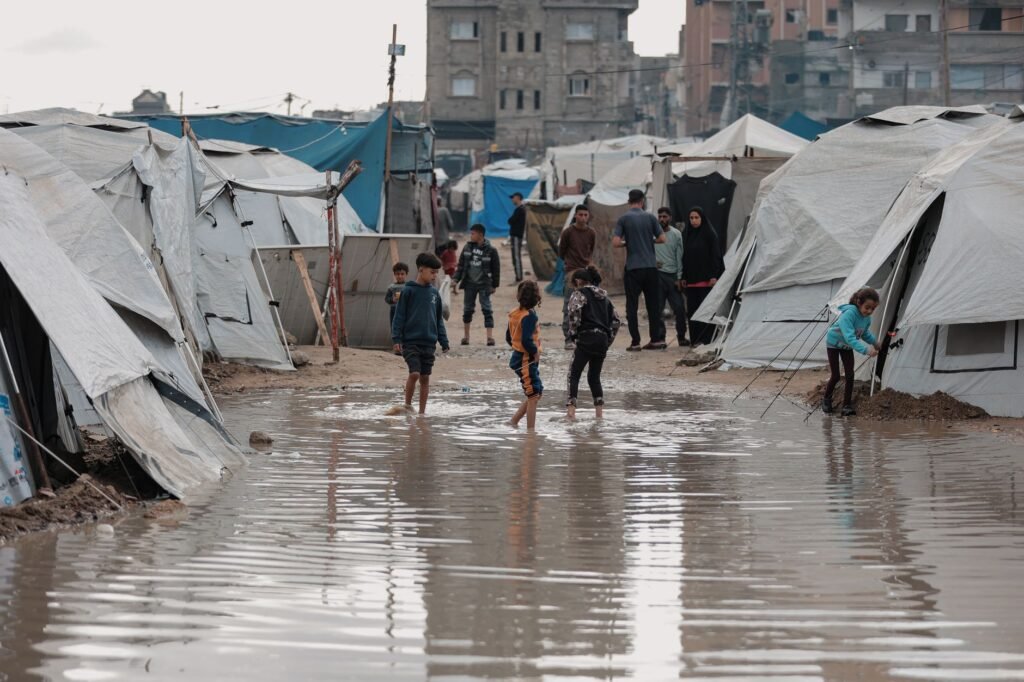
As Russian forces press their offensive deeper into Ukraine’s eastern Donbas region, thousands of civilians are reportedly fleeing key strongholds. Cities such as Sloviansk and Kramatorsk, once considered bastions of Ukrainian defense, are now facing relentless bombardment from Russian artillery, missiles, and drones. This intensified assault marks a critical phase in the conflict, with Moscow’s military apparatus seemingly focused on consolidating its control over the strategically important industrial heartland.
Information reaching Tahir Rihat suggests that the escalating attacks have created a climate of fear and urgency, prompting a significant exodus of residents who can no longer endure the constant threat to their lives and property. The Ukrainian military, while acknowledging the severe pressure, has indicated its commitment to defending these cities, though the sheer scale of the Russian offensive presents a formidable challenge. The situation on the ground is fluid, with reports of fierce fighting and territorial shifts being a daily occurrence.
The “fortress belt” cities, as they have been described by observers, are crucial for both sides. For Ukraine, holding them represents a significant symbolic and strategic victory, denying Russia full control of the Donbas. For Russia, capturing these urban centers would be a major step towards achieving its stated objectives in the region. The ongoing military operations are characterized by a heavy reliance on artillery, which has been a hallmark of Russia’s tactics in this theater of war. This has led to widespread destruction and civilian casualties, further exacerbating the humanitarian crisis.
The international community continues to monitor the developments closely, with Western allies providing substantial military and financial aid to Ukraine. However, the effectiveness of this support in the face of Russia’s sustained offensive remains a subject of intense debate. The humanitarian implications of the intensified fighting are profound, with aid organizations struggling to reach those in need amidst the chaos and destruction. The displacement of thousands of people adds another layer of complexity to an already dire situation, straining resources and infrastructure in safer regions of Ukraine and neighboring countries.
The strategic importance of Sloviansk and Kramatorsk cannot be overstated. These cities have been central to Ukraine’s defense strategy in the Donbas for months, serving as command and control centers and logistical hubs. Their fall would represent a significant blow to Ukrainian morale and a substantial gain for Russia, potentially opening up further avenues for advance. The Ukrainian forces have been employing defensive tactics, utilizing urban environments to their advantage, but the sustained aerial and artillery bombardment is taking a heavy toll. Reports from the front lines indicate that the fighting is often brutal and attritional, with both sides suffering casualties.
The civilian population caught in the crossfire faces an increasingly desperate situation. Many have been forced to abandon their homes, seeking refuge in basements or attempting to flee to safer areas, often with little more than the clothes on their backs. The infrastructure in these cities, including residential buildings, hospitals, and essential services, has been severely damaged. The ongoing conflict also poses a significant threat to the region’s economy and its long-term recovery prospects. The industrial capacity of the Donbas, once a vital component of Ukraine’s economy, has been severely impacted by the hostilities.
The international response has largely focused on sanctions against Russia and the provision of defensive weaponry to Ukraine. However, the question of how to achieve a lasting peace remains elusive. Diplomatic efforts have so far failed to yield a breakthrough, and the military situation continues to dictate the pace and direction of the conflict. The human cost of this war is immense, with the ongoing displacement and suffering of civilians being a stark reminder of the devastating consequences of armed conflict. The resilience of the Ukrainian people in the face of such adversity has been widely noted, but the sustained nature of the Russian offensive is testing their endurance to the limit.
The intensified Russian push into the Donbas represents a critical juncture in the war. The ability of Ukraine to hold its ground in these key cities will likely have significant implications for the future trajectory of the conflict. The humanitarian crisis unfolding in the region demands urgent attention and sustained international support. The ongoing destruction and displacement underscore the urgent need for a peaceful resolution, though the path to achieving it appears fraught with challenges.


Tahir Rihat (also known as Tahir Bilal) is an independent journalist, activist, and digital media professional from the Chenab Valley of Jammu and Kashmir, India. He is best known for his work as the Online Editor at The Chenab Times.