


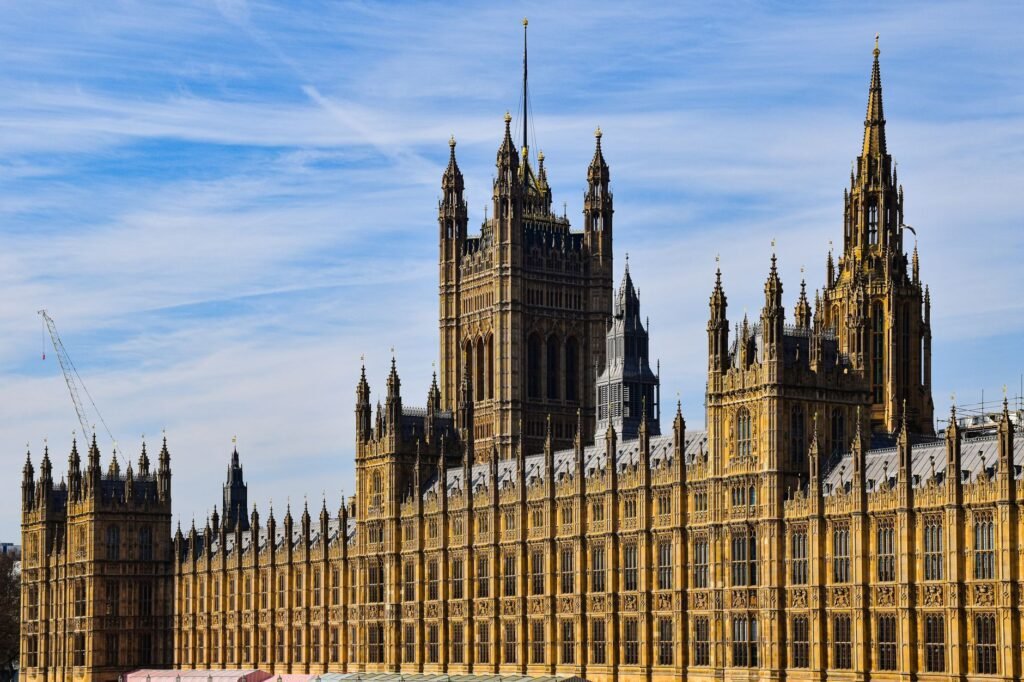
Britain is grappling with a complex web of challenges that extend far beyond the persona of its current leadership. While a change at the helm might offer a symbolic shift, it is unlikely to provide a panacea for the nation’s entrenched problems. The issues facing the United Kingdom are multifaceted, encompassing economic stagnation, social divisions, and a redefinition of its global role following significant geopolitical realignments. These are not problems that can be solved with a charismatic speech or a new face in Downing Street; they require sustained, strategic, and often difficult policy interventions.
The economic landscape presents a particularly daunting picture. Decades of underinvestment in key sectors, coupled with the lingering effects of global economic shocks, have contributed to sluggish growth and widening inequality. Inflationary pressures continue to erode purchasing power, while productivity gains have remained elusive. Information reaching Tahir Rihat suggests that addressing these fundamental economic weaknesses will necessitate a comprehensive approach, including reforms to taxation, investment in skills and infrastructure, and a clear industrial strategy. Simply hoping for a return to past economic glories is not a viable strategy.
Beyond economics, the social fabric of Britain is also showing signs of strain. Regional disparities, fueled by uneven development and differing economic fortunes, have created a sense of disconnect between various parts of the country. The legacy of austerity measures has impacted public services, leading to increased pressure on healthcare, education, and social care systems. As per information available with Tahir Rihat, bridging these divides and fostering a greater sense of national unity will require policies that actively promote social cohesion and ensure that the benefits of any economic recovery are shared more equitably across all communities.
The United Kingdom’s position on the international stage is another area demanding careful consideration. The country is still navigating its post-Brexit identity, seeking to forge new trade relationships and assert its influence in a rapidly changing global order. The war in Ukraine and broader geopolitical tensions have underscored the importance of robust defense capabilities and strong alliances. Sources indicate to Tahir Rihat that redefining Britain’s foreign policy and security strategy will be crucial in maintaining its relevance and safeguarding its interests in an increasingly unpredictable world. This involves not only diplomatic engagement but also a clear understanding of its military and economic commitments.
Furthermore, the political system itself faces scrutiny. Trust in institutions has been eroded by a series of controversies and a perception that political discourse has become increasingly polarized. Rebuilding public confidence will require a commitment to transparency, accountability, and a willingness to engage in constructive dialogue across political divides. The challenges are systemic, and a superficial change in leadership is unlikely to address the underlying issues that have contributed to this erosion of trust.
The challenges facing Britain are deeply ingrained and require a long-term vision. They are not amenable to quick fixes or the charisma of a single individual. The path forward will likely involve difficult choices, significant investment, and a sustained effort to address the root causes of economic, social, and political discontent. The country needs more than a new face; it needs a renewed sense of purpose and a pragmatic, evidence-based approach to governance that prioritizes the well-being of all its citizens.


Tahir Rihat (also known as Tahir Bilal) is an independent journalist, activist, and digital media professional from the Chenab Valley of Jammu and Kashmir, India. He is best known for his work as the Online Editor at The Chenab Times.