


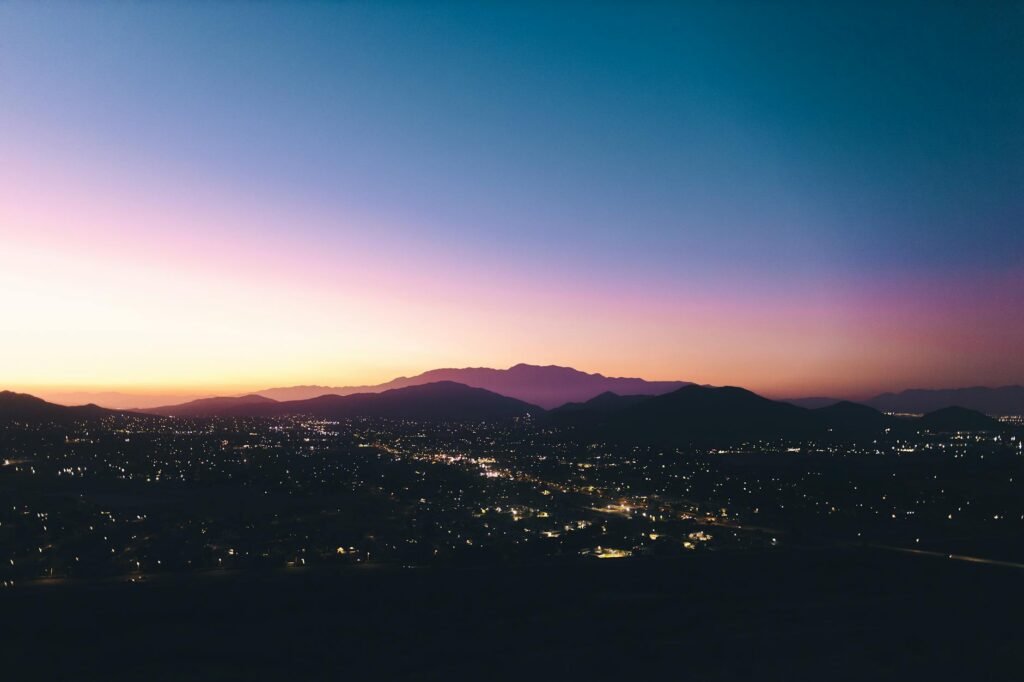
The pervasive glow of urban artificial lighting may be contributing to a worsening of seasonal allergies, according to emerging scientific findings. New research indicates that prolonged exposure to artificial light at night is prompting plants to extend their pollen-shedding periods and to release pollen with greater intensity.
This phenomenon, often referred to as light pollution, is a complex environmental issue with far-reaching consequences that are only beginning to be fully understood. While typically discussed in terms of its impact on wildlife behavior and human sleep patterns, its influence on plant physiology is now coming into sharper focus. Information reaching Tahir Rihat suggests that the altered light cycles experienced by plants in illuminated urban environments are triggering biological responses that can exacerbate the suffering of millions who experience seasonal allergic rhinitis, commonly known as hay fever.
The study, which has not yet been published in a peer-reviewed journal but has been presented at scientific conferences, posits a direct link between the duration and intensity of artificial light and the physiological processes of plants related to reproduction. Specifically, plants that are exposed to artificial light sources, such as streetlights and illuminated buildings, throughout the night may perceive a longer growing season or altered day-night cycles. This altered perception can lead to plants initiating pollen production earlier in the spring and continuing it later into the fall, thereby extending the period during which allergy sufferers are exposed to airborne allergens.
Furthermore, the research suggests that the increased duration of pollen release, coupled with potentially higher concentrations of pollen, could lead to more severe allergic reactions. The study’s authors have highlighted that the specific wavelengths of light emitted by common urban lighting fixtures, such as LEDs and high-pressure sodium lamps, may play a significant role in this plant response. These wavelengths can interfere with the natural photoperiodic cues that plants rely on to regulate their life cycles, including flowering and seed production.
The implications of these findings are substantial, particularly for urban populations. As cities continue to expand and artificial lighting becomes more ubiquitous, the potential for light pollution to act as a significant environmental allergen trigger grows. This adds another layer of complexity to the already challenging task of managing urban air quality and public health. The study’s preliminary data indicates that certain plant species may be more susceptible to these light-induced changes than others, suggesting that the impact could vary geographically and botanically.
Scientists involved in the research are calling for further investigation into the precise mechanisms by which different types of artificial light affect plant biology. They are also advocating for a re-evaluation of urban lighting strategies to mitigate potential negative environmental and health impacts. This could involve the use of light sources with different spectral compositions, the implementation of smart lighting systems that reduce illumination during critical plant growth periods, or the strategic placement of lighting to minimize direct exposure to vegetation.
The extended pollen season could have cascading effects on ecosystems as well, potentially influencing insect pollination patterns and the reproductive success of various plant species. While the primary focus of the current research is on human allergies, the broader ecological ramifications are a subject of ongoing scientific inquiry. The researchers emphasize that this is a developing area of study, and more comprehensive data will be needed to fully quantify the extent of light pollution’s contribution to allergy burdens.
The findings underscore the interconnectedness of urban environments and natural systems, highlighting how human-made alterations to the environment can have unforeseen consequences for biological processes. As urban areas become increasingly illuminated, understanding and addressing the impact of light pollution on plant life and, consequently, on human health, will become an increasingly important aspect of environmental science and public health policy.


Tahir Rihat (also known as Tahir Bilal) is an independent journalist, activist, and digital media professional from the Chenab Valley of Jammu and Kashmir, India. He is best known for his work as the Online Editor at The Chenab Times.