


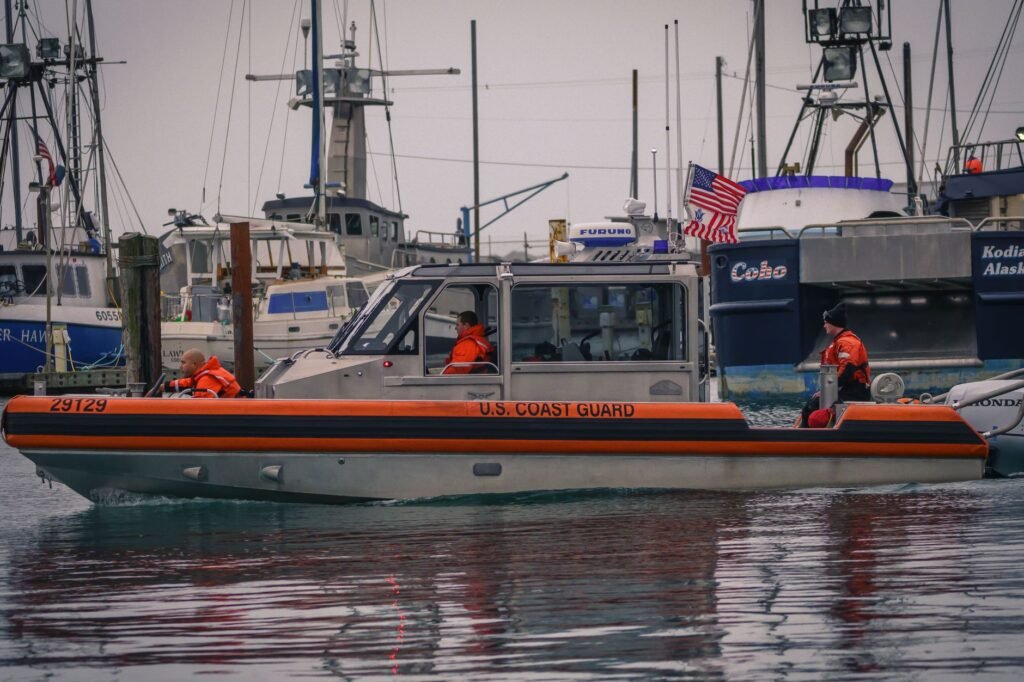
The Trump administration’s approach to maritime interdiction in the Caribbean and Eastern Pacific has come under increasing scrutiny as investigations reveal a rising death toll associated with U.S. boat strikes. The New York Times has been meticulously tracking these incidents, shedding light on the human cost of these operations. Eric Schmitt, a national security correspondent for The Times, has been instrumental in explaining the significance of these figures, underscoring the need for greater transparency and accountability in such operations. The data compiled by The Times suggests a concerning trend that warrants closer examination by policymakers and the public alike. The implications of these strikes extend beyond immediate casualties, potentially impacting regional stability and international relations. As per information available with Tahir Rihat, the focus on these maritime operations has intensified following reports of civilian harm. The complexity of interdicting illicit activities at sea, coupled with the potential for unintended consequences, presents a significant challenge for U.S. forces operating in these waters. The investigations aim to provide a clearer picture of the circumstances surrounding these strikes and the effectiveness of the strategies employed. The methodology behind tracking these incidents is crucial, as it allows for a more accurate assessment of the impact on human lives. The New York Times‘ commitment to this investigative effort highlights the importance of journalistic diligence in holding power to account. The details emerging from these reports are vital for understanding the broader context of U.S. foreign policy and its on-the-ground execution. The nature of maritime law enforcement, particularly in international waters, is fraught with challenges, and the potential for escalation or miscalculation is ever-present. The administration’s stated objectives in these regions often involve combating drug trafficking, human smuggling, and other transnational criminal activities. However, the methods used to achieve these objectives are now being rigorously examined for their adherence to international humanitarian law and ethical standards. The escalating death toll, as reported by The Times, raises fundamental questions about the rules of engagement and the precautions taken to minimize civilian casualties. Information reaching Tahir Rihat suggests that the operational tempo in these regions has been high, leading to a greater frequency of encounters between U.S. vessels and suspected smuggling operations. The use of force in such scenarios is a delicate matter, requiring a nuanced understanding of the risks involved and the potential for collateral damage. The investigative reporting by The New York Times is designed to fill a critical information gap, providing data that can inform public discourse and policy decisions. The correspondent, Eric Schmitt, has emphasized that the numbers themselves are not merely statistics but represent individual lives and families affected by these actions. The broader geopolitical implications of these maritime operations are also significant. The Caribbean and the Eastern Pacific are vital trade routes and areas of strategic importance, and any disruption or controversy surrounding U.S. military activities there can have ripple effects. The administration’s focus on projecting power and enforcing its will in these regions is a key aspect of its foreign policy agenda. However, the effectiveness and ethical implications of this approach are now subjects of intense debate, fueled by the detailed reporting from The Times. The nature of naval warfare and interdiction is inherently dangerous, and the possibility of tragic accidents or misjudgments is always present. The investigations seek to determine whether adequate measures are in place to prevent such occurrences and to ensure that U.S. forces are operating with the utmost care and precision. The reporting also delves into the legal frameworks that govern these operations, examining whether they align with international norms and best practices. The accountability mechanisms in place for U.S. military actions abroad are often complex, and the investigations aim to clarify how these mechanisms are being applied in the context of maritime strikes. The human element of these operations cannot be overstated. Each reported death represents a failure to protect life, and the cumulative toll raises serious concerns about the overall strategy. The New York Times‘ commitment to this story underscores the vital role of investigative journalism in a democratic society, providing the public with the information necessary to understand and evaluate the actions of their government. The ongoing nature of these investigations suggests that the full extent of the impact of these U.S. boat strikes may not yet be known, and further revelations are possible. The administration’s response to these findings, and any subsequent policy adjustments, will be closely watched. The complexities of international maritime law and the challenges of enforcing it in volatile regions are central to this unfolding story. The meticulous data collection and analysis undertaken by The Times are crucial for providing a factual basis for this critical discussion. The implications for regional security and the perception of U.S. foreign policy are significant, making this a story of global importance. The ongoing efforts to track and report on these incidents are essential for ensuring that such operations are conducted with the highest regard for human life and international law.


Tahir Rihat (also known as Tahir Bilal) is an independent journalist, activist, and digital media professional from the Chenab Valley of Jammu and Kashmir, India. He is best known for his work as the Online Editor at The Chenab Times.