


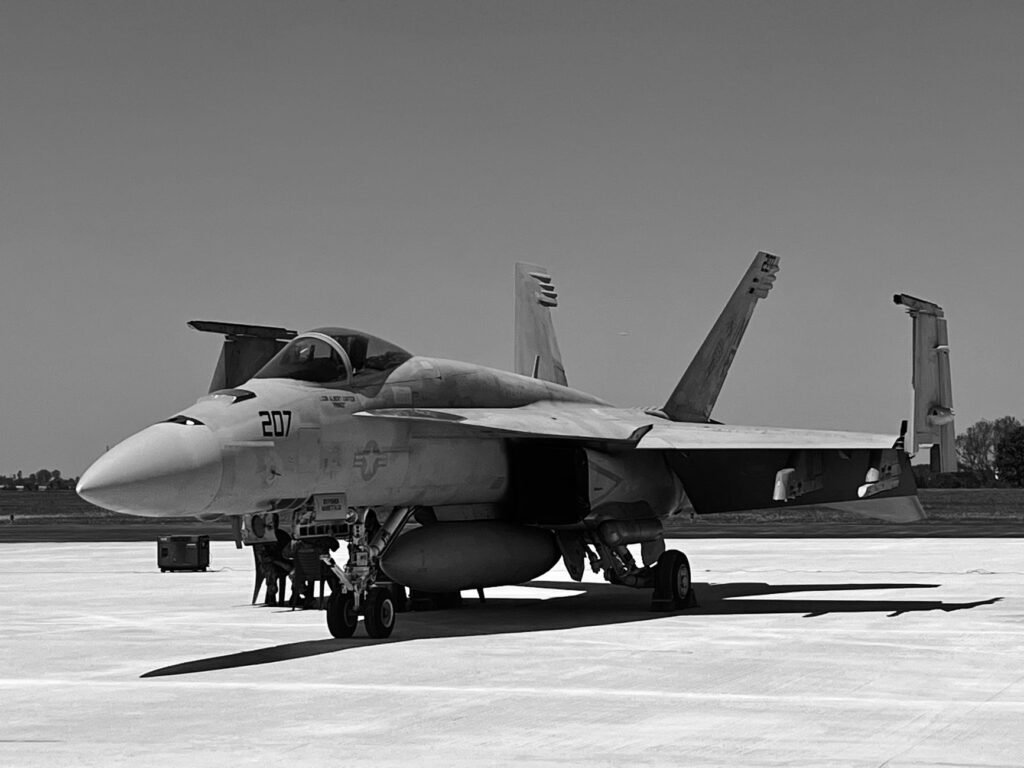
The United States launched a second consecutive day of strikes against Iran, signaling a significant escalation in the ongoing conflict that began four months ago. The renewed military action comes as President Trump expressed frustration over the pace of negotiations aimed at ending the hostilities, which were initiated by the U.S. and Israel.
Sources indicate to Tahir Rihat that the decision to intensify strikes reflects a hardening stance from the U.S. administration, which has been seeking a swift resolution to the protracted engagement. President Trump stated that the Iranian side was taking an excessive amount of time to reach an agreement on a deal to cease hostilities. This assertion was made in the context of a conflict that has already seen considerable military engagement and has raised concerns among international observers regarding regional stability.
The conflict, which commenced in early February, has been characterized by a series of military actions and counter-actions between the U.S.-led coalition and Iranian forces. The specific targets and extent of the latest U.S. strikes were not immediately detailed, but the repeated military operations underscore the seriousness with which the U.S. administration views the situation. The prolonged nature of the conflict and the apparent deadlock in diplomatic efforts have created a volatile environment in the Middle East, a region already grappling with numerous geopolitical challenges.
The initial impetus for the conflict, as stated by the U.S., was related to Iran’s alleged activities and its role in regional security dynamics. Israel’s involvement from the outset suggests a coordinated effort to address perceived threats emanating from Iran. The ongoing military engagement has inevitably led to discussions about the broader implications for international relations, particularly between the U.S. and its allies, as well as Iran’s relationships with other global powers. The economic ramifications, including potential impacts on global energy markets, are also a significant consideration.
The protracted negotiations, which President Trump alluded to as being too slow, are crucial for de-escalating tensions and preventing further loss of life and destruction. The U.S. administration’s public statements suggest a desire for a comprehensive agreement that would address the root causes of the conflict and establish a new framework for regional security. However, the effectiveness of such negotiations is often contingent on the willingness of all parties to compromise and engage in good faith. The current impasse highlights the complexities involved in resolving such deeply entrenched disputes.
Information reaching Tahir Rihat suggests that the international community is closely monitoring the developments, with many nations expressing concern over the potential for a wider regional war. Diplomatic channels are reportedly active behind the scenes, with various countries attempting to mediate or facilitate dialogue between the warring parties. The United Nations and other international bodies have previously called for restraint and a return to diplomatic solutions, emphasizing the need to uphold international law and protect civilian populations.
The military strikes, occurring for the second consecutive day, indicate that the U.S. is prepared to exert significant pressure to achieve its objectives. This approach, however, carries inherent risks, including the possibility of retaliatory actions from Iran and its proxies, which could further destabilize the region. The strategic calculus behind these actions likely involves a complex interplay of military objectives, diplomatic leverage, and domestic political considerations within the involved nations. The long-term consequences of such a sustained military engagement remain a subject of considerable debate among foreign policy experts.
The ongoing conflict has also brought into sharp focus the challenges of modern warfare, where cyber operations, drone technology, and information warfare often complement traditional military tactics. The ability of nations to project power and influence in the digital domain adds another layer of complexity to the strategic landscape. As the situation continues to evolve, the focus will remain on the diplomatic efforts to find a lasting peace and the potential for further military escalation.


Tahir Rihat (also known as Tahir Bilal) is an independent journalist, activist, and digital media professional from the Chenab Valley of Jammu and Kashmir, India. He is best known for his work as the Online Editor at The Chenab Times.