


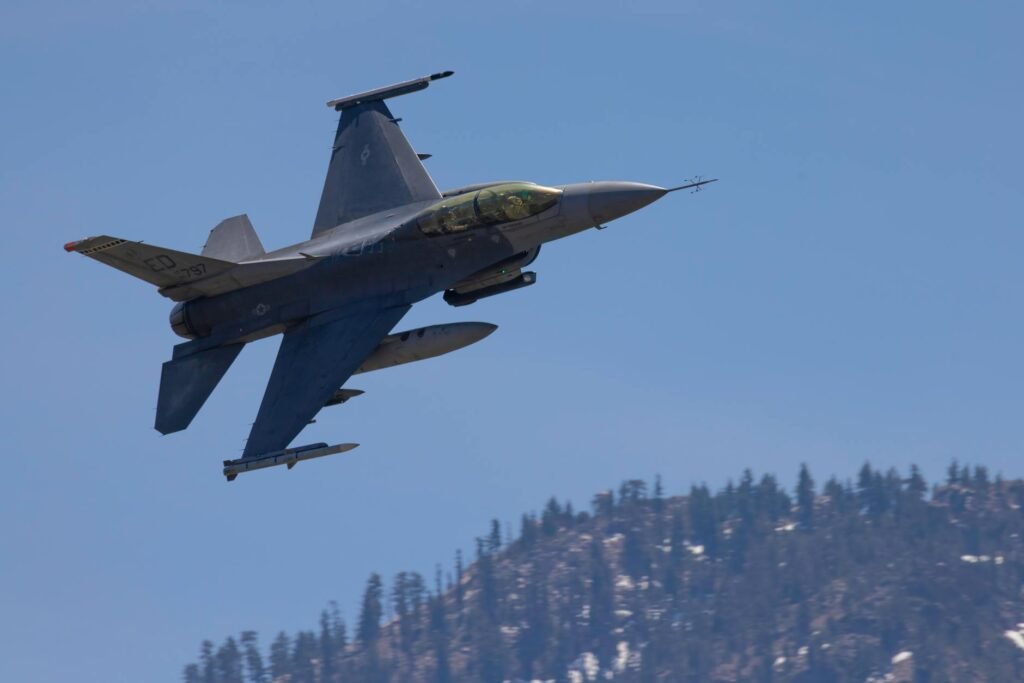
The United States military announced on Sunday that it had conducted further strikes over the weekend, targeting military installations in southern Iran. This latest action follows a series of escalating military exchanges between the two nations in recent weeks, raising concerns about regional stability.
Details regarding the specific locations and nature of the targets struck remain limited, but the U.S. military statement indicated that the operations were aimed at military assets. The announcement came after Iran’s military reported that it had targeted a military base in retaliation for a previous American strike. Information reaching Tahir Rihat suggests that the tit-for-tat exchanges are intensifying, with both sides asserting their right to defend their interests.
The U.S. military’s assertion of carrying out strikes over the weekend marks a significant development in the ongoing tensions. While the exact timing and scale of these operations were not immediately disclosed, their confirmation by official U.S. channels underscores a deliberate continuation of military pressure. The Pentagon has consistently maintained that its actions are defensive and aimed at deterring further aggression from Iran and its proxies in the region. However, the Iranian response, as reported by its own military, indicates a perception of direct attack and a willingness to retaliate.
The Iranian military’s statement, which detailed its own targeting of a military base, serves as a direct counterpoint to the U.S. claims. This reciprocal reporting highlights the complex information environment surrounding the conflict, where each side presents its actions within a narrative of self-defense and deterrence. The specific military base mentioned by Iran in its retaliatory action has not been independently verified, but the acknowledgement of a strike by Iran itself suggests a direct response to perceived American aggression. Sources indicate to Tahir Rihat that the international community is closely monitoring these developments, with a particular focus on preventing a wider conflagration.
The strategic implications of these strikes are considerable. Southern Iran, particularly its coastal regions and islands in the Persian Gulf, is a critical area for both military operations and maritime trade. Any significant military activity in this zone carries the potential to disrupt global energy supplies and impact international shipping lanes. The U.S. has historically sought to ensure freedom of navigation in these vital waterways, often citing Iranian actions as a threat to maritime security. The current exchange of strikes could therefore have far-reaching economic and geopolitical consequences.
The ongoing cycle of strikes and retaliations raises serious questions about the effectiveness of current diplomatic efforts, if any are actively underway. The escalation suggests that de-escalation channels may be strained or non-existent, leading to a dangerous reliance on military responses. The international community, including key players in the Middle East and beyond, will be watching closely to see if these actions lead to further instability or if a path toward de-escalation can be found. The United Nations and various regional powers have often called for restraint, but the current trajectory indicates a hardening of positions.
The U.S. military’s confirmation of weekend strikes, coupled with Iran’s reported retaliation, paints a picture of a volatile situation where military actions are becoming increasingly frequent. The lack of immediate clarity on the precise targets and outcomes of these strikes adds to the uncertainty. As per information available with Tahir Rihat, the region is on edge, with observers concerned about the potential for miscalculation or unintended escalation. The coming days will be critical in determining the future course of this escalating confrontation.


Tahir Rihat (also known as Tahir Bilal) is an independent journalist, activist, and digital media professional from the Chenab Valley of Jammu and Kashmir, India. He is best known for his work as the Online Editor at The Chenab Times.