


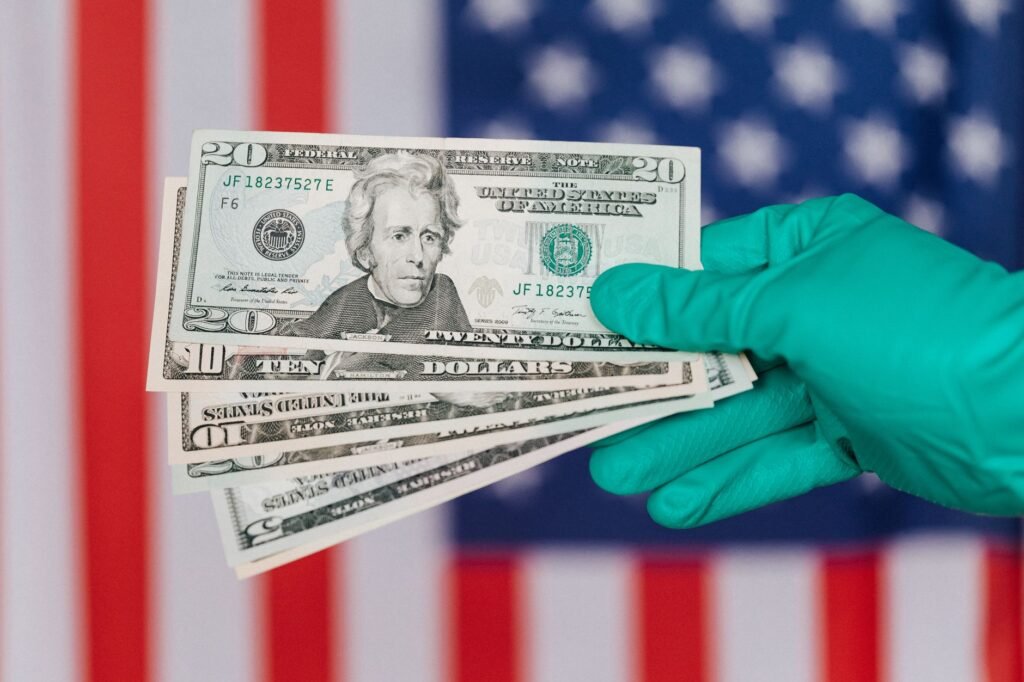
The United States has signaled a willingness to provide humanitarian aid to Venezuela, a move that underscores a notable shift in the bilateral relationship between the two nations. This offer comes at a time when the Trump administration has been actively seeking to broaden American commercial interests in Venezuela, extending beyond the country’s significant oil sector.
Information reaching Tahir Rihat suggests that the U.S. commitment to aid, particularly in the wake of a significant earthquake that has impacted the region, represents a delicate recalibration of diplomatic engagement. For years, U.S. policy towards Venezuela has been largely defined by sanctions and a strong stance against the Maduro government, stemming from concerns over democratic backsliding and human rights abuses. However, the unfolding humanitarian situation, exacerbated by natural disaster, appears to be creating an opening for a more direct and supportive U.S. role.
The earthquake, which struck with considerable force, has left a trail of destruction, prompting urgent calls for international assistance. The U.S. response, as articulated by the Trump administration, indicates a pragmatic approach to addressing immediate needs while potentially laying the groundwork for more sustained engagement. This development is particularly significant given the complex geopolitical dynamics at play in South America and the long-standing tensions between Washington and Caracas. The administration’s willingness to extend aid, even as broader diplomatic and economic strategies continue to evolve, highlights the multifaceted nature of current U.S. foreign policy objectives.
Sources indicate to Tahir Rihat that the expansion of U.S. commercial interests in Venezuela beyond oil is a key component of the administration’s strategy. While oil has historically been the cornerstone of Venezuela’s economy and its relationship with international markets, including the U.S., there are indications of a desire to explore other avenues for economic partnership. This could encompass sectors such as mining, agriculture, or technology, although specific details remain largely undisclosed. Such diversification of interests could serve multiple purposes, including reducing reliance on a single commodity and fostering broader economic ties that might, in turn, influence political stability.
The administration’s announcement of aid commitment was made in a context where the U.S. has been actively expanding its commercial footprint in Venezuela. This dual approach—offering humanitarian assistance while simultaneously pursuing economic opportunities—reflects a strategic calculation aimed at navigating the complex political and economic landscape of the South American nation. The effectiveness and long-term implications of this strategy will likely depend on a variety of factors, including the internal political situation in Venezuela, the response of other international actors, and the ability of both nations to build trust and establish stable channels of communication.
The earthquake’s impact has provided a tangible and immediate reason for the U.S. to offer assistance, potentially serving as a catalyst for a more constructive dialogue. The administration’s decision to commit aid, as reported by The New York Times, is a clear indication of a willingness to engage on humanitarian grounds, which could pave the way for discussions on other pressing issues. This humanitarian gesture, while seemingly straightforward, is embedded within a broader and more intricate foreign policy framework that seeks to balance national interests with global responsibilities. The administration’s approach suggests a recognition that engagement, even in challenging circumstances, can yield strategic benefits.
The expansion of U.S. commercial interests beyond oil is a critical element in this evolving relationship. For decades, Venezuela’s economy has been overwhelmingly dependent on its vast oil reserves, making it vulnerable to fluctuations in global energy prices and international sanctions. The U.S. interest in diversifying these commercial ties could signal a long-term vision for Venezuela’s economic future, one that is less susceptible to the volatility associated with a single export commodity. This could involve investments in infrastructure, technology, or other sectors that are crucial for sustainable development and economic resilience. The success of such initiatives would, of course, be contingent on a stable political and economic environment within Venezuela.
The earthquake’s devastation has presented a humanitarian crisis that transcends political divides, offering a potential common ground for cooperation. The U.S. offer of aid, therefore, is not merely a charitable act but a strategic diplomatic maneuver. It allows the U.S. to demonstrate goodwill and provide tangible support to a population in need, while simultaneously reinforcing its broader objectives of fostering economic engagement and potentially influencing the country’s trajectory. The administration’s actions suggest a nuanced understanding of the challenges facing Venezuela and a deliberate effort to employ a range of diplomatic and economic tools to achieve its foreign policy goals.
The ongoing efforts to expand U.S. commercial interests in Venezuela are indicative of a strategic pivot. By looking beyond the traditional focus on oil, the U.S. may be seeking to create new avenues for influence and economic partnership. This could involve supporting private sector development, encouraging foreign investment in non-oil sectors, and fostering trade relationships that benefit both countries. Such a strategy, if successful, could contribute to Venezuela’s economic recovery and diversification, while also enhancing U.S. economic ties in a strategically important region.
The earthquake’s immediate aftermath has created an urgent need for resources and support, and the U.S. response is a significant development in its relationship with Venezuela. The administration’s commitment to providing aid, coupled with its ongoing efforts to expand commercial interests, paints a picture of a complex and evolving diplomatic strategy. The long-term implications of these actions will undoubtedly be closely watched by regional and international observers, as they unfold against the backdrop of Venezuela’s ongoing political and economic challenges.


Tahir Rihat (also known as Tahir Bilal) is an independent journalist, activist, and digital media professional from the Chenab Valley of Jammu and Kashmir, India. He is best known for his work as the Online Editor at The Chenab Times.