


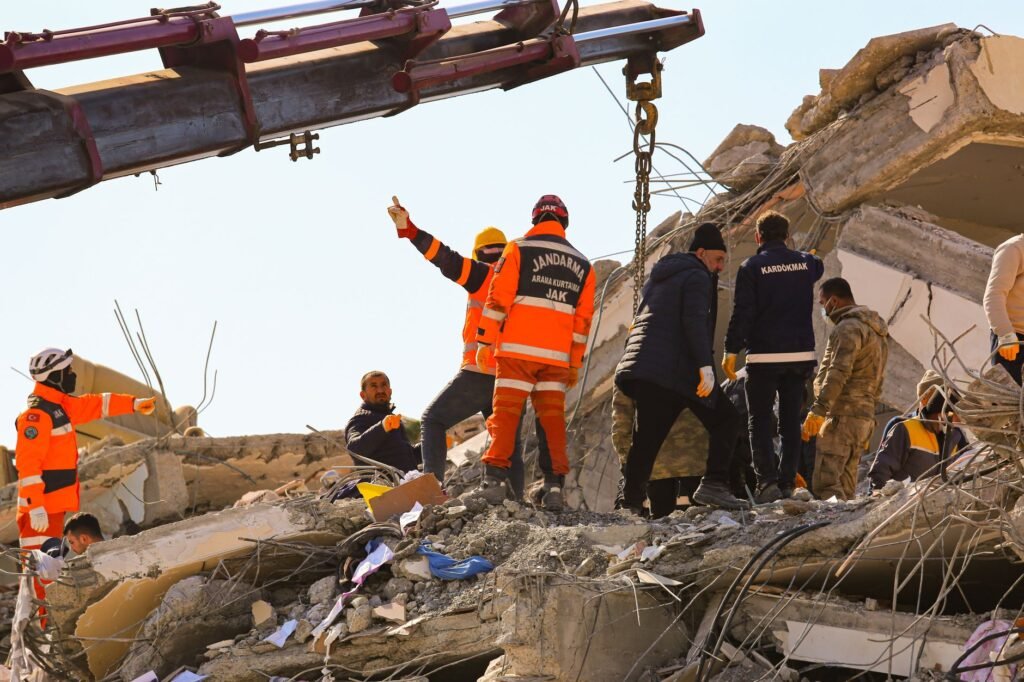
Foreign rescue teams are engaged in a desperate race against time in Venezuela, battling not only the immense challenge of debris and collapsed structures but also a critical scarcity of essential supplies. The urgency is palpable as each passing hour diminishes the hope of finding survivors in the aftermath of a devastating earthquake that has struck the nation.
Information reaching Tahir Rihat suggests that the scale of the disaster is still unfolding, with initial reports indicating significant destruction and a growing number of casualties. The logistical hurdles faced by rescue operations are compounded by the country’s ongoing economic crisis, which has severely impacted its capacity to respond effectively to such a catastrophe. International aid has begun to arrive, but its distribution and accessibility are proving to be formidable challenges.
Rescue workers, many of whom are international specialists, are working tirelessly in treacherous conditions. They are navigating unstable rubble, often with limited equipment, to reach potential survivors. The sheer volume of debris makes the search process slow and dangerous. Compounding these difficulties is the lack of adequate resources, including food, water, medical supplies, and specialized rescue tools, which are essential for prolonged and effective operations. The Venezuelan government, already strained by pre-existing economic woes, is struggling to provide the necessary support, making the reliance on international assistance even more critical.
The international community has responded with an outpouring of support, with various countries and humanitarian organizations dispatching search and rescue teams and pledging aid. However, the complexities of Venezuelan bureaucracy and infrastructure limitations are creating bottlenecks in the delivery and deployment of these much-needed resources. Reports from the ground describe scenes of devastation, with entire buildings reduced to rubble and communities in desperate need of immediate assistance. The psychological toll on both the survivors and the rescuers is immense, as they confront the grim reality of the disaster.
The clock is ticking relentlessly for those trapped beneath the debris. Experts in urban search and rescue emphasize that the first 72 hours are crucial for increasing the chances of survival. However, the challenging terrain, the extent of the destruction, and the logistical impediments are stretching this critical window. The rescuers are operating under immense pressure, driven by the hope of pulling more people out alive, but also acutely aware of the dwindling time and the ever-present danger of aftershocks.
The scarcity of supplies extends beyond the immediate needs of the rescue operations. Local populations are also facing shortages of food, clean water, and shelter, exacerbating the humanitarian crisis. Medical facilities, where still operational, are overwhelmed, and the lack of medicines and equipment further complicates the treatment of the injured. The international aid that is arriving is being channeled through various means, but ensuring it reaches those most in need in a timely and efficient manner remains a significant undertaking.
The resilience of the Venezuelan people is being tested to its limits. Stories of bravery and solidarity are emerging amidst the tragedy, as individuals help their neighbors and contribute in any way they can. However, the sheer magnitude of the disaster requires a coordinated and robust response that goes beyond individual efforts. The international rescue teams, despite their own logistical challenges in reaching the affected areas and operating within the country, are a testament to the global commitment to assist in times of crisis. Their expertise and dedication are invaluable in this critical phase.
The long-term recovery efforts are expected to be equally challenging, given the pre-existing economic fragility of Venezuela. Rebuilding infrastructure, providing long-term housing, and addressing the psychological trauma of the affected population will require sustained international cooperation and significant financial investment. For now, the focus remains squarely on the immediate rescue and relief operations, where every second counts and every survivor found is a victory against overwhelming odds.


Tahir Rihat (also known as Tahir Bilal) is an independent journalist, activist, and digital media professional from the Chenab Valley of Jammu and Kashmir, India. He is best known for his work as the Online Editor at The Chenab Times.