


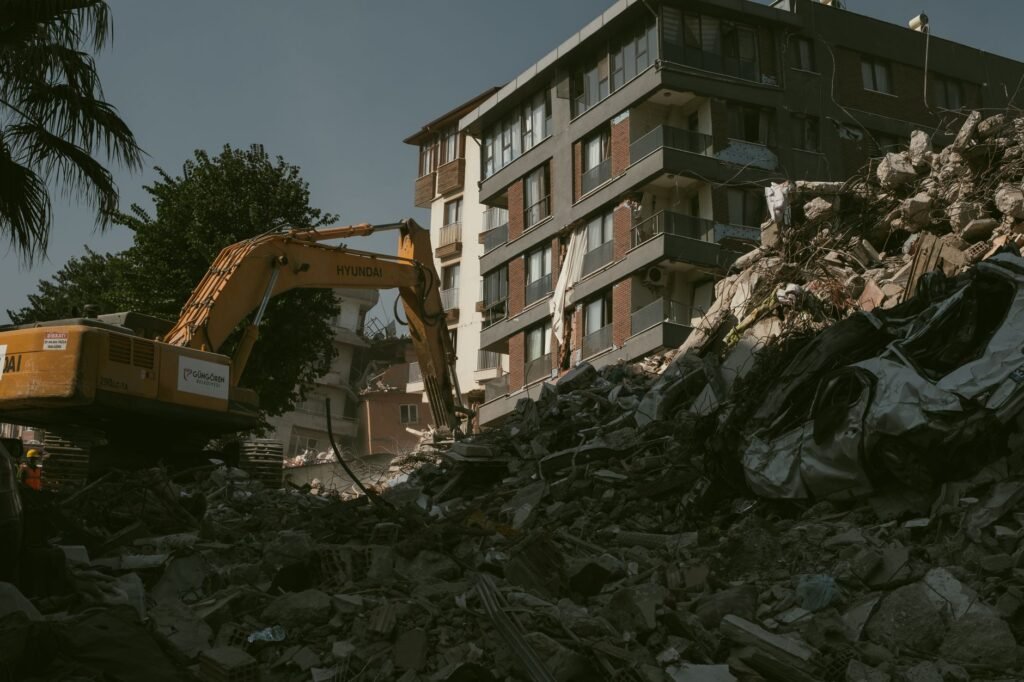
The immediate aftermath of a significant earthquake in Venezuela has been severely hampered by a critical shortage of specialized rescue equipment, forcing ordinary citizens to step in and assist in the arduous task of sifting through rubble. Residents in affected areas have been vocal in their appeals for essential tools such as excavators, generators, and sophisticated rescue apparatus, highlighting a stark deficiency in the nation’s disaster preparedness and response capabilities.
Information reaching Tahir Rihat suggests that the absence of these vital resources has not only slowed down rescue operations but also placed immense pressure on civilian volunteers who have spontaneously organized to aid professional crews. These volunteers, driven by a sense of urgency and solidarity, are working alongside trained personnel, often improvising with whatever tools they can find to locate survivors and clear debris. The reliance on civilian efforts underscores a systemic gap in the availability of heavy machinery and advanced life-saving technology that is typically deployed in such catastrophic events.
The situation paints a grim picture of a nation struggling to cope with a natural disaster due to a lack of fundamental infrastructure and equipment. Eyewitness accounts and reports from the ground indicate that the scale of the devastation is substantial, with many buildings reduced to piles of concrete and twisted metal. The process of searching for individuals trapped beneath the wreckage is inherently dangerous and time-consuming, requiring specialized knowledge and equipment to ensure the safety of both rescuers and potential survivors. Without the necessary excavators to move large quantities of debris, generators to power lighting and communication in affected areas, and specialized tools designed for delicate extraction, the efforts are significantly less effective.
The pleas for help from the affected communities are not merely requests for aid; they are desperate calls for the basic tools that could mean the difference between life and death for those still missing. The involvement of civilians, while commendable, also points to a potential strain on their own resources and safety, as they may lack the training and protective gear required for such hazardous work. The international community has often stepped in to provide assistance during major disasters, but the initial response on the ground appears to be severely constrained by the availability of equipment within Venezuela itself. This reliance on external aid or the mobilization of civilian resources highlights a vulnerability that could have been mitigated with adequate domestic preparedness.
The earthquake’s impact has been widespread, affecting numerous communities and leaving a trail of destruction. The immediate hours and days following such an event are crucial for rescue efforts, as the chances of finding survivors diminish rapidly with time. The reported shortages of excavators, which are essential for clearing large volumes of rubble quickly, mean that rescue teams are unable to access areas where people might be trapped. Similarly, the lack of generators means that operations can be severely limited by darkness, and communication networks may be down, further complicating coordination and the dissemination of information. Specialized rescue tools, such as listening devices, thermal imaging cameras, and hydraulic rescue equipment, are designed to enhance the precision and safety of extraction operations, minimizing the risk of further injury to trapped individuals. Their absence means that rescuers are often forced to use more rudimentary and potentially dangerous methods.
The narrative emerging from Venezuela is one of resilience in the face of adversity, but also one of profound challenge stemming from a lack of essential resources. The appeals for specific types of equipment suggest a clear understanding by those on the ground of what is needed to effectively combat the disaster’s aftermath. The government’s ability to procure and deploy these resources rapidly is a critical factor in determining the success of rescue and recovery operations. The current situation, as described by residents, indicates a significant shortfall that is directly impeding the life-saving efforts. The long-term implications of such a response could include a higher casualty count and prolonged recovery periods, underscoring the importance of investing in disaster preparedness and maintaining adequate stockpiles of essential rescue equipment.
The ongoing efforts by civilians to supplement the work of official rescue teams are a testament to the human spirit, but they also serve as a stark indicator of the deficiencies in the official response. The need for excavators, generators, and specialized rescue tools is not a minor inconvenience; it is a fundamental requirement for effective disaster management. As the situation unfolds, the international community will likely be watching closely to see how Venezuela mobilizes its resources and whether external assistance can bridge the gap created by these critical equipment shortages. The focus remains on the immediate need to save lives, a goal that is being significantly challenged by the very tools that could make it possible.


Tahir Rihat (also known as Tahir Bilal) is an independent journalist, activist, and digital media professional from the Chenab Valley of Jammu and Kashmir, India. He is best known for his work as the Online Editor at The Chenab Times.