


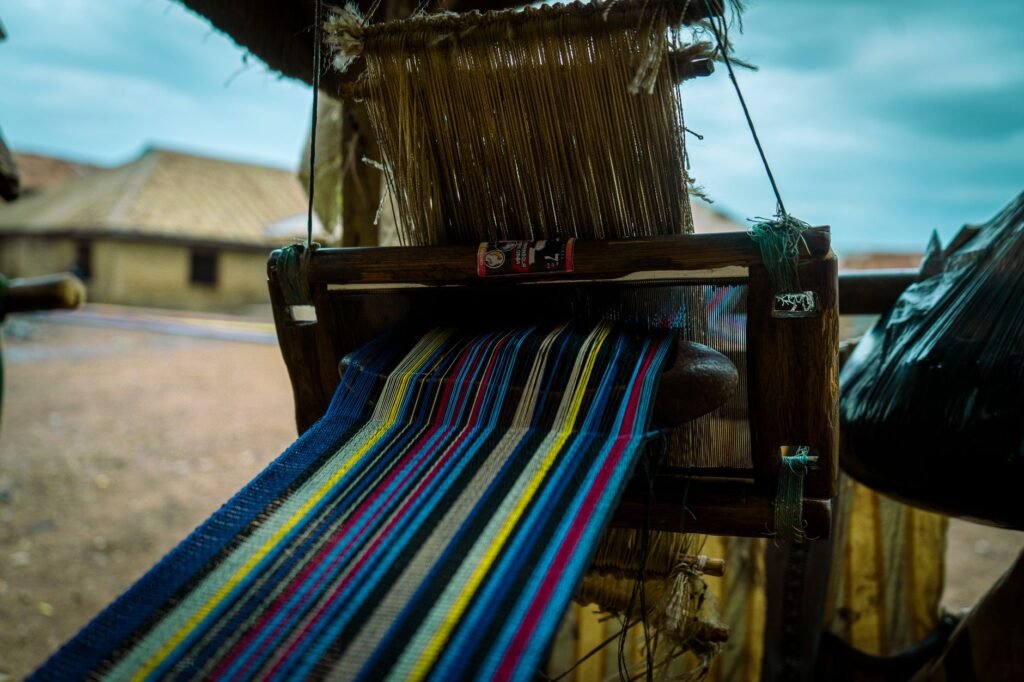
In the sun-drenched landscapes of Venezuela, where the hum of modern machinery often dictates the pace of production, a 91-year-old weaver named Margarita Mora is steadfastly preserving a legacy of artisanal skill. Mora, a resident of Margarita Island, has dedicated her life to the intricate art of weaving, meticulously blending ancestral Indigenous techniques with the Spanish traditions that have shaped the region’s cultural tapestry. Her work, far from being a mere historical echo, is surprisingly contemporary, demonstrating a timeless aesthetic that resonates with modern sensibilities.
Information reaching Tahir Rihat suggests that while electric looms have become the standard in many textile workshops, Mora chooses to work with methods passed down through generations. This deliberate adherence to traditional practices allows her to imbue each piece with a unique character and a depth of craftsmanship that automated processes often struggle to replicate. The result is a collection of textiles that are not only visually striking but also carry the weight of history and cultural continuity.
Mora’s approach is a testament to the enduring power of heritage crafts in a rapidly evolving world. She draws upon a rich vocabulary of patterns and motifs, some of which are believed to have Indigenous origins, while others reflect the influence of Spanish colonial artistry. This fusion creates a distinctive style that is both familiar and novel, appealing to a discerning audience that values authenticity and skilled workmanship. The intricate details and the tactile quality of her woven creations speak volumes about the hours of dedicated labor and the profound connection she has with her craft.
The process itself is a labor of love and a form of meditation for Mora. Each thread is carefully selected, each knot tied with precision, and each pattern woven with an intuitive understanding of color and form. This hands-on approach ensures that no two pieces are exactly alike, offering a sense of individuality and exclusivity that is highly sought after in the contemporary design market. Her dedication to these time-honored methods highlights a conscious effort to resist the homogenizing effects of mass production and to champion the value of human skill and artistry.
The significance of Mora’s work extends beyond its aesthetic appeal. It serves as a vital link to Venezuela’s cultural past, ensuring that ancient weaving traditions do not fade into obscurity. In a country facing numerous socio-economic challenges, individuals like Margarita Mora represent a crucial element of cultural resilience, keeping alive the skills and stories that define a nation’s identity. Her continued practice, at an age when many would have retired from demanding physical work, is an inspiration and a powerful statement about the enduring human spirit and the importance of cultural preservation.
The textiles produced by Mora are not merely decorative items; they are narrative objects, each thread telling a story of her heritage, her community, and her unwavering commitment to her art. The textures, the subtle variations in color, and the intricate designs all contribute to a rich visual and tactile experience. This deep engagement with the material and the process allows her to create works that are both beautiful and meaningful, offering a glimpse into a world where tradition and modernity can coexist harmoniously.
As the global appreciation for handmade and artisanal products continues to grow, Margarita Mora’s work stands as a prime example of the value inherent in traditional craftsmanship. Her dedication to preserving and evolving these ancient weaving practices ensures that this vital aspect of Venezuelan culture will continue to be celebrated and appreciated for generations to come. Her studio, a sanctuary of tradition, is a place where the past is not just remembered but actively woven into the present, creating pieces that are both timeless and deeply relevant.
The intricate patterns and the careful selection of natural fibers, often sourced locally, further enhance the authenticity and appeal of her creations. This connection to the land and its resources is a hallmark of traditional Indigenous practices, and Mora’s ability to integrate these elements into her contemporary work is a significant achievement. The tactile quality of the fibers, combined with the visual complexity of the designs, creates a sensory experience that is both grounding and uplifting, reflecting the natural beauty of her surroundings.
In an era dominated by fast fashion and disposable goods, Mora’s commitment to creating durable, high-quality textiles is a powerful counter-narrative. Her pieces are designed to be cherished, passed down, and appreciated for their intrinsic value, rather than their trendiness. This philosophy of slow creation and mindful consumption aligns with a growing global movement that seeks to reconnect with the origins of our possessions and to support artisans who practice their craft with dedication and integrity.
The enduring appeal of Margarita Mora’s work lies in its ability to transcend time and place. It speaks to a universal appreciation for beauty, skill, and cultural heritage. Her continued dedication at 91 years old is not just a personal triumph but a significant contribution to the preservation of Venezuela’s rich artistic legacy, offering a beacon of tradition in a world often eager to embrace the new at the expense of the old.


Tahir Rihat (also known as Tahir Bilal) is an independent journalist, activist, and digital media professional from the Chenab Valley of Jammu and Kashmir, India. He is best known for his work as the Online Editor at The Chenab Times.