


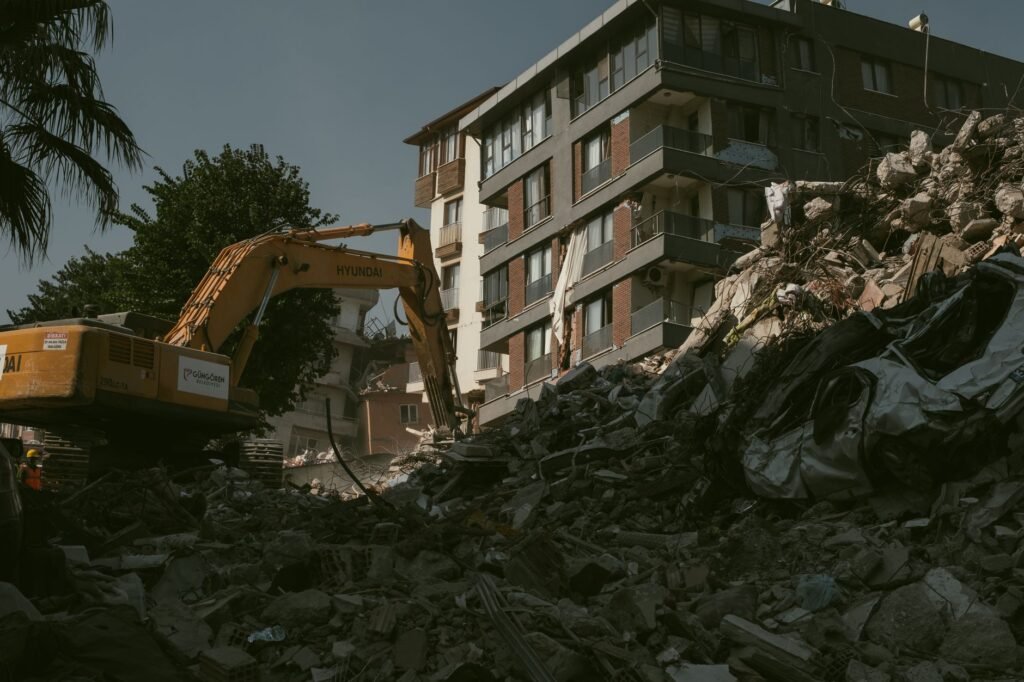
Venezuela’s nascent economic recovery, a fragile bloom cultivated after years of severe decline, has been dealt a significant blow by a series of seismic events. The nation, already grappling with the lingering effects of protracted mismanagement, had begun to show tentative signs of improvement, sparking cautious optimism among its citizens and international observers alike. However, the recent earthquakes have introduced a new layer of uncertainty, threatening to derail any progress made and exacerbate existing vulnerabilities.
The full extent of the damage wrought by the tremors is still being assessed, but initial reports indicate widespread disruption to infrastructure and a potential setback for key economic sectors. As information reaching Tahir Rihat suggests that the tremors have impacted vital supply chains and energy infrastructure, the delicate balance of Venezuela’s economy is under severe strain. The country has a long and arduous history of economic hardship, marked by hyperinflation, widespread shortages, and a significant exodus of its population. These recent natural disasters now add a formidable challenge to an already beleaguered nation.
Expectations are now rising over the role the United States will play in helping Venezuela, which had already been laid low by decades of misrule. The U.S. has historically played a significant role in the region, and its response to this latest crisis could be pivotal in shaping Venezuela’s path forward. The international community is watching closely to see if humanitarian aid and economic assistance will be forthcoming, and what conditions might be attached to such support. The interplay between domestic challenges and international engagement will be crucial in determining the long-term consequences of these seismic events on Venezuela’s economic trajectory.
The country’s oil industry, once the engine of its prosperity, has been particularly hard hit by years of underinvestment and sanctions, further complicating any attempts at recovery. The earthquakes could potentially impact oil production and export capabilities, adding another layer of complexity to an already volatile energy market. The government’s capacity to respond effectively to both the immediate humanitarian needs and the longer-term economic fallout will be severely tested. The resilience of the Venezuelan people, who have endured immense hardship, will once again be put to the ultimate test as they confront this new and unexpected crisis.
The implications of these earthquakes extend beyond the immediate physical damage. They have the potential to reignite political tensions and reshape the country’s internal dynamics. The government’s handling of the disaster response, its ability to secure and distribute aid, and its communication with the populace will all be scrutinized. International organizations and non-governmental agencies are likely to play an increasingly important role in providing relief and support, but their efforts will depend on the cooperation of the Venezuelan authorities and the broader geopolitical landscape. The path to recovery for Venezuela has always been fraught with obstacles, and these earthquakes have introduced a formidable new hurdle, casting a long shadow over the nation’s future prospects.


Tahir Rihat (also known as Tahir Bilal) is an independent journalist, activist, and digital media professional from the Chenab Valley of Jammu and Kashmir, India. He is best known for his work as the Online Editor at The Chenab Times.