


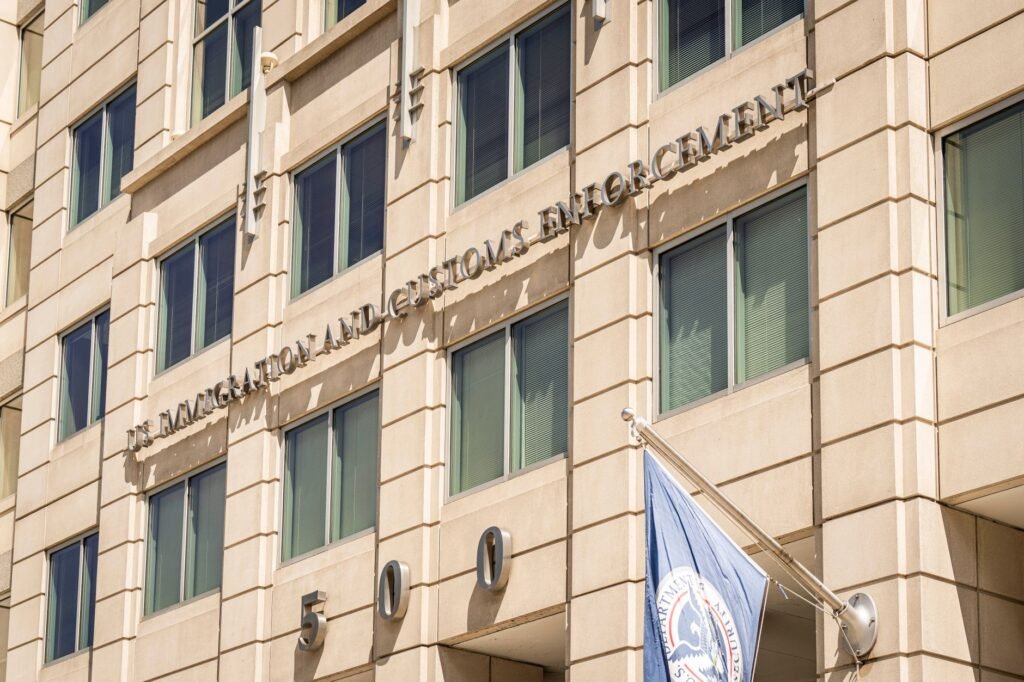
As the world gears up for the highly anticipated World Cup, a significant number of football enthusiasts and participants are encountering unexpected obstacles in their quest to enter the United States. Reports indicate that stringent immigration policies enacted by the U.S. have become a considerable roadblock for those hoping to attend the global sporting event.
Information reaching Tahir Rihat suggests that many individuals, ranging from dedicated fans to those directly involved in the tournament’s periphery, have voiced their frustrations regarding the complex and often restrictive nature of U.S. entry requirements. These challenges are not merely bureaucratic; they represent a tangible barrier to experiencing one of the world’s most unifying events.
The United States, alongside its North American partners, is set to co-host the upcoming World Cup, a tournament that typically draws millions of international visitors. However, the current immigration climate appears to be casting a shadow over the celebratory atmosphere, with potential attendees describing the process as arduous and unwelcoming. This situation raises concerns about the accessibility of the event and the broader implications for international relations and tourism.
Sources indicate to Tahir Rihat that the difficulties are multifaceted, encompassing issues such as visa processing delays, increased scrutiny of applications, and a general tightening of entry criteria. For many, the dream of witnessing their national teams compete on the world stage is being jeopardized by these immigration-related challenges. The sheer volume of applications, coupled with the perceived inflexibility of the system, has led to a growing sense of anxiety among prospective attendees.
The narrative emerging from various reports paints a picture of a system that, while designed to ensure security, may be inadvertently hindering the very spirit of international camaraderie that the World Cup embodies. Fans who have meticulously planned their trips, often investing substantial amounts of money and time, are now facing the disheartening prospect of being denied entry. This is particularly poignant for those coming from countries with historically more complex visa relationships with the United States.
The U.S. government has consistently emphasized its commitment to national security, and immigration policies are often framed within this context. However, critics argue that the current approach is disproportionately affecting legitimate travelers, including those with clear intentions of participating in cultural and sporting events. The perceived inflexibility of the immigration bureaucracy is leading to a situation where the economic and cultural benefits of hosting such a large-scale international event could be diminished.
As per information available with Tahir Rihat, the complaints are not limited to a specific region or demographic. Individuals from diverse backgrounds and nationalities have shared similar experiences of encountering significant hurdles. This widespread nature of the problem suggests a systemic issue rather than isolated incidents. The disappointment is palpable, as many had envisioned a seamless entry into the host nation, ready to immerse themselves in the vibrant atmosphere of the World Cup.
The timing of these immigration challenges is particularly unfortunate, occurring just as the world is looking forward to a period of global unity and celebration through sport. The World Cup is more than just a competition; it is a cultural phenomenon that brings people together from all corners of the globe. When immigration policies create barriers to this kind of international exchange, it can have a ripple effect on perceptions of the host nation and its openness to the world.
The U.S. Customs and Border Protection and the Department of State have not yet issued comprehensive statements addressing the specific concerns raised by World Cup attendees regarding immigration hurdles. However, the ongoing reports suggest a need for a review of current procedures to ensure that legitimate travelers are not unduly penalized. The economic impact of tourism related to major events like the World Cup is substantial, and restrictive policies could lead to a significant loss of revenue for local businesses and the broader economy.
The stories emerging from aspiring attendees highlight the emotional toll these bureaucratic challenges can take. For many, attending the World Cup is a lifelong dream, a chance to witness sporting history unfold and to connect with fellow fans from around the world. The prospect of this dream being dashed due to immigration complexities is a source of considerable distress. The narrative is one of hope turning into frustration, and anticipation giving way to disappointment.
As the tournament draws nearer, the pressure mounts for a resolution or at least a clearer pathway for those facing difficulties. The success of the World Cup as a truly global event hinges on the ability of people from all nations to participate and celebrate together. The current immigration landscape in the United States presents a significant question mark over the extent to which this ideal will be realized for the upcoming tournament.
The situation underscores a perennial tension between national security imperatives and the facilitation of international cultural and sporting exchanges. While robust border control is a legitimate concern for any nation, the challenge lies in striking a balance that does not alienate or exclude those who wish to engage positively with the country. The experiences of World Cup hopefuls are providing a stark illustration of this delicate equilibrium.
The ongoing discourse surrounding these immigration issues is likely to continue as the World Cup approaches. The experiences of fans and participants will serve as a critical barometer for the effectiveness and perceived fairness of the U.S. immigration system in the context of large-scale international events. The coming weeks will be crucial in determining how these challenges are addressed and what impact they ultimately have on the global spectacle.


Tahir Rihat (also known as Tahir Bilal) is an independent journalist, activist, and digital media professional from the Chenab Valley of Jammu and Kashmir, India. He is best known for his work as the Online Editor at The Chenab Times.