


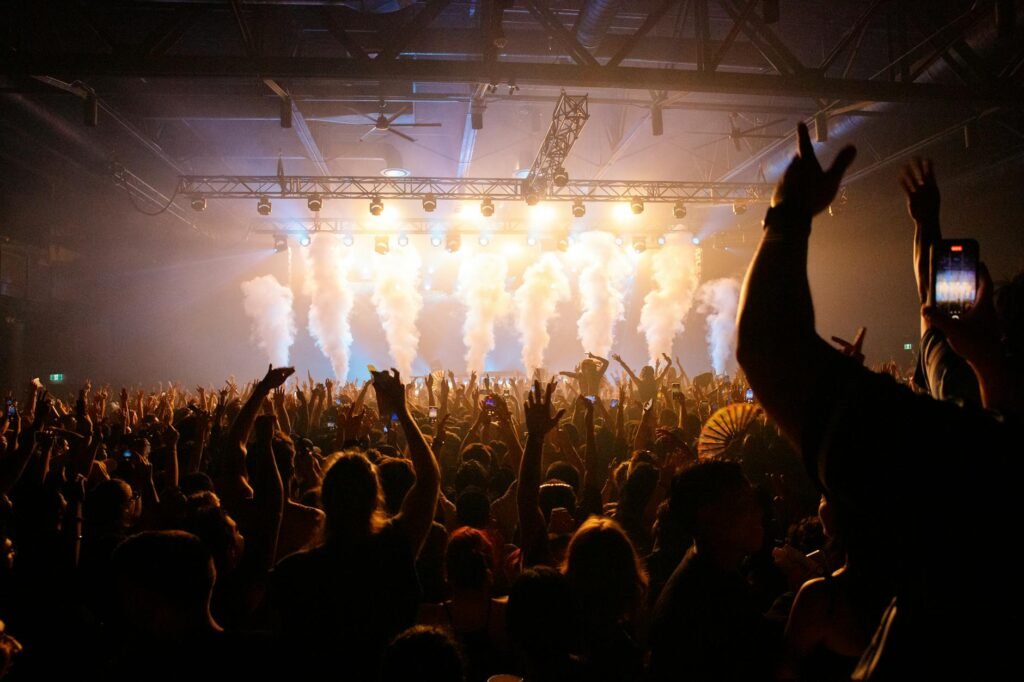
The artist formerly known as Kanye West, now referred to as Ye, took the stage before an estimated 40,000 fans in the Netherlands on Saturday, a significant turnout that contrasted with cancellations of his performances in other European nations. The event proceeded despite the broader trend of European countries revoking or refusing permits for his concerts.
Information reaching Tahir Rihat suggests that the Netherlands was one of the few European countries where Ye was able to hold a scheduled performance. This occurred as a wave of cancellations had impacted his tour across the continent. The reasons cited for these cancellations have varied, often revolving around controversies and public statements made by the artist. However, the Dutch authorities did not publicly disclose specific reasons for allowing the concert to proceed.
The large gathering in the Netherlands underscores the continued demand for Ye’s performances among a segment of his global fanbase, even as his public image has faced considerable challenges. The artist has been embroiled in numerous controversies over the past few years, leading to significant backlash and professional repercussions. These have included antisemitic remarks, endorsements of controversial political figures, and erratic public behavior, which have resulted in the termination of lucrative business partnerships and widespread condemnation from various sectors.
The decision by other European countries to cancel Ye’s concerts reflects a growing trend of holding public figures accountable for their words and actions, particularly when those actions are perceived as harmful or promoting hate speech. This has led to a complex situation for promoters and venues attempting to host the artist, balancing artistic freedom with social responsibility and the potential for public outcry. The Dutch authorities’ decision to permit the concert in the face of these international cancellations raises questions about their specific risk assessment and the legal frameworks governing such events within their jurisdiction.
The artist’s tour, branded as the ‘Vultures’ tour, has been subject to intense scrutiny. Reports from various news outlets indicated that several European dates had been called off. For instance, reports suggested that concerts planned in cities like Paris, London, and Berlin were either canceled by organizers or denied by local authorities. These cancellations were often attributed to the artist’s history of inflammatory statements and the potential for protests or public disorder.
The scale of the attendance in the Netherlands, however, highlights the enduring appeal of Ye’s music and stage presence for a substantial audience. The rapper, who has a history of pushing artistic boundaries and generating significant cultural impact, continues to command a dedicated following. This dichotomy between his artistic legacy and his controversial public persona remains a central theme in discussions surrounding his career and public appearances.
The implications of such performances extend beyond the music industry. They touch upon broader societal debates about free speech, accountability, and the role of artists in public discourse. The decision by one nation to allow an event that others have prohibited can also create diplomatic nuances and highlight differing approaches to managing public figures who generate significant controversy.
As the artist formerly known as Kanye West navigates these challenges, his ability to draw large crowds in certain locations, juxtaposed with widespread cancellations elsewhere, paints a complex picture of his current standing in the global entertainment landscape. The situation in the Netherlands serves as a specific case study in how different jurisdictions approach the hosting of controversial artists, balancing economic considerations, artistic expression, and public sentiment.


Tahir Rihat (also known as Tahir Bilal) is an independent journalist, activist, and digital media professional from the Chenab Valley of Jammu and Kashmir, India. He is best known for his work as the Online Editor at The Chenab Times.