


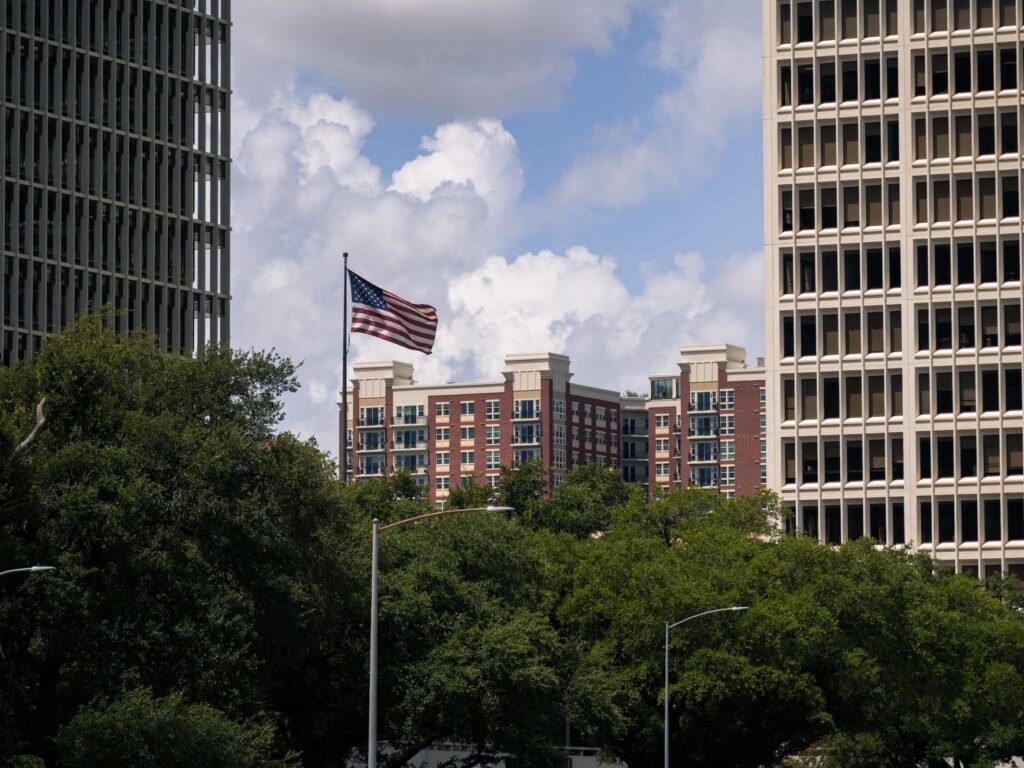
As the United States approaches its 250th anniversary, a period of introspection is underway, prompting questions about what exactly is being celebrated. This milestone, set to occur in 2026, invites a global examination of the nation’s foundational principles and their resonance in the contemporary world. The anniversary prompts a look beyond mere historical commemoration to consider the enduring impact of American ideals on international discourse and national identity.
Information reaching Tahir Rihat suggests that the significance of this anniversary extends beyond American borders, touching upon the universal aspirations for liberty, democracy, and self-governance that the nation has historically championed. The very notion of what constitutes the ‘American experiment’ is being re-evaluated in light of evolving global dynamics and domestic challenges. This moment offers an opportunity to assess the legacy of the nation’s founding ideals and their continued relevance in a complex and interconnected world.
The anniversary’s observance is expected to be a multifaceted event, drawing attention from various international capitals and cultural centers. In Kyiv, for instance, the enduring commitment to democratic values that the United States represents may hold particular significance amidst ongoing geopolitical struggles. Similarly, the Vatican, a historical and spiritual center, might engage with the anniversary through a lens of moral and ethical considerations, reflecting on the role of faith and values in national development and international relations. The global reach of American cultural influence, exemplified by figures like Taylor Swift, also plays a role in how the nation’s anniversary is perceived and discussed worldwide, underscoring the pervasive nature of American soft power.
The United States’ journey over 250 years has been marked by profound transformations, from its revolutionary beginnings to its current status as a global superpower. The anniversary serves as a catalyst for examining the nation’s successes and failures, its contributions to global progress, and the challenges it continues to face. This period of reflection is not merely an academic exercise but a vital process for understanding the nation’s place in the 21st century and its future trajectory. The celebration, therefore, is less about a singular event and more about a sustained engagement with the evolving narrative of American identity and its global implications.
The core tenets that underpinned the nation’s founding—liberty, equality, and the pursuit of happiness—continue to be subjects of debate and reinterpretation. As the United States navigates contemporary issues, from social justice movements to economic disparities and its role in international security, the anniversary provides a framework for assessing how well these founding ideals have been upheld and how they are being adapted to new realities. The global perspective on this anniversary is crucial, as it highlights the diverse ways in which American ideals have been received, adopted, or critiqued by different cultures and nations.
The anniversary’s significance is amplified by the current global landscape, which is characterized by both unprecedented interconnectedness and significant geopolitical tensions. In this context, the United States’ role as a beacon of democracy and a proponent of international cooperation is under scrutiny. The celebrations will likely involve a broad spectrum of activities, from official ceremonies to cultural exchanges and academic discussions, all aimed at exploring the multifaceted legacy of the American experiment. The participation of international figures and institutions in these discussions will further enrich the understanding of America’s global impact.
The narrative of America’s 250th anniversary is not solely one of national pride but also one of critical self-assessment and ongoing dialogue. It is a moment to acknowledge the progress made, the challenges that remain, and the continuous effort required to live up to the ideals that have shaped the nation’s past and will undoubtedly influence its future. The global conversation surrounding this anniversary underscores the interconnectedness of nations and the universal relevance of the principles that the United States was founded upon, even as their application and interpretation evolve.


Tahir Rihat (also known as Tahir Bilal) is an independent journalist, activist, and digital media professional from the Chenab Valley of Jammu and Kashmir, India. He is best known for his work as the Online Editor at The Chenab Times.