


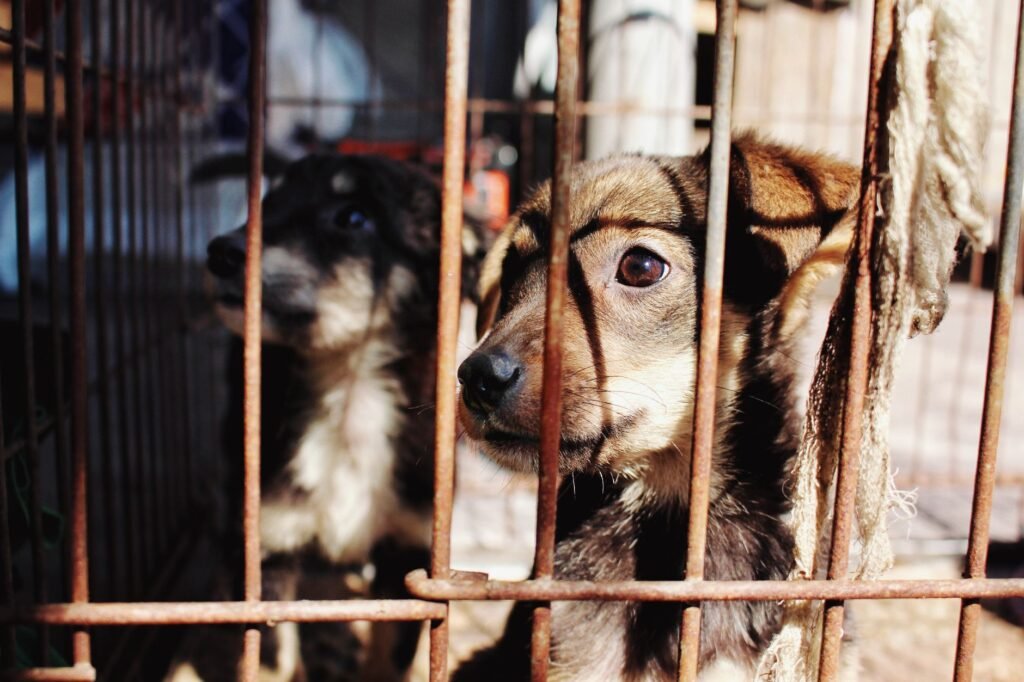
A specially trained dog squad from the Army has been deployed to assist in the intensified search for seven individuals missing in Jammu and Kashmir‘s Poonch and Rajouri districts. The deployment comes as the weather conditions have improved, allowing for a more robust rescue operation. Officials confirmed on Monday that the canine units are now actively involved in the efforts to locate the missing persons, who have been unaccounted for since July 19.
The search for a government employee, identified as Abdul Ghani, a daily-wage worker for the Jal Shakti Department, who was washed away in flash floods in Rajouri district, is being bolstered by the dog squad. Simultaneously, rescue teams have significantly ramped up their efforts to find six other individuals who remain missing in the neighboring Poonch district. These seven people have been missing since heavy rainfall triggered widespread flash floods and landslides across the twin border districts, resulting in the deaths of 22 people, with a significant number of fatalities reported in the Surankote area of Poonch.
Information reaching Tahir Rihat suggests that among the missing are four members of a single family from Lower Murrah and two individuals from another family residing in Sangla village, both located in the Surankote region. The challenging terrain and the lingering impact of the recent torrential rains continue to pose significant obstacles for the multi-agency rescue teams, which comprise personnel from the police, National Disaster Response Force (NDRF), State Disaster Response Force (SDRF), and the civil administration. These teams are meticulously combing the affected areas in their relentless pursuit to trace the missing employee, Abdul Ghani. He was reportedly inside a water pumping station when it was inundated and swept away by the flash floods on July 19, and has not been seen or heard from since.
In the Surankote area, which bore the brunt of the recent deluge, the coordinated multi-agency teams have intensified their search operations for the six individuals from two families who were reported missing following the flash floods and landslides. These events were exacerbated by a cloudburst that unleashed torrential rains. The rescue personnel are systematically searching riverbanks, natural water channels, and other locations that were inundated by the floodwaters. To facilitate the search and to clear debris from affected areas, heavy machinery has also been deployed. This machinery is crucial for clearing rubble from damaged houses and for restoring access to areas that have been cut off by the natural disaster. The authorities have reiterated their commitment to continue the rescue and relief operations without interruption until all the missing persons are located and accounted for.
The recent spell of intense rainfall has inflicted widespread damage across the region, impacting critical infrastructure such as roads and bridges, as well as public and private properties, including residential homes and agricultural land. The devastating weather events have not only led to the disappearance of these seven individuals but have also claimed five additional lives in the Doda and Ramban districts, underscoring the severity of the natural calamity that has befallen Jammu and Kashmir. The ongoing rescue efforts highlight the critical need for swift and effective disaster response in such challenging circumstances, with the deployment of specialized units like the Army’s dog squad demonstrating the commitment to utilizing all available resources to mitigate the human impact of natural disasters.
The search operations are being conducted with a high degree of urgency, given the passage of time since the individuals were last seen. The terrain in the Poonch and Rajouri districts is known for its ruggedness, with steep slopes and dense vegetation, which complicates the efforts of ground search teams. The flash floods, in particular, have altered the landscape, creating new hazards and making it difficult to predict the movement of debris and submerged objects. The dog squad’s specialized training in scent detection is expected to significantly enhance the chances of locating the missing persons, especially in areas where conventional search methods might be less effective. The Army’s involvement, alongside civilian agencies, signifies a unified approach to disaster management, pooling resources and expertise to address the crisis.
The families of the missing individuals are enduring immense distress, anxiously awaiting any news of their loved ones. Local communities have also been deeply affected by the tragedy, with many houses damaged or destroyed by the floods and landslides. The ongoing relief efforts include providing shelter, food, and medical assistance to those displaced by the disaster. The restoration of essential services, such as electricity and communication networks, is also a priority for the authorities, as these are crucial for coordinating rescue operations and for providing support to the affected population. The scale of the devastation necessitates a long-term recovery plan, which will involve rebuilding infrastructure and supporting the livelihoods of those impacted.
The meteorological department had issued warnings prior to the heavy rainfall, but the intensity and suddenness of the flash floods and landslides caught many by surprise. The incident serves as a stark reminder of the vulnerability of communities in hilly and mountainous regions to extreme weather events, which are becoming more frequent and severe in the context of climate change. Experts have called for improved disaster preparedness strategies, including early warning systems, community-based disaster management plans, and the development of resilient infrastructure that can withstand the impact of such natural calamities. The current situation in Poonch and Rajouri underscores the importance of these measures in saving lives and minimizing damage.
The Army’s dog squad, composed of highly trained canines, possesses an exceptional sense of smell, capable of detecting human scent even from a considerable distance or beneath debris. This capability makes them invaluable assets in search and rescue operations, particularly in disaster-stricken areas where visibility is poor and the terrain is treacherous. The dogs are trained to work in conjunction with their handlers, who interpret their signals to pinpoint the location of missing individuals. The successful integration of these specialized units into the ongoing operations is a testament to the comprehensive approach being adopted by the authorities to address the multifaceted challenges posed by the natural disaster. The focus remains steadfast on the primary objective: to bring closure to the families of those who are still missing.


Tahir Rihat (also known as Tahir Bilal) is an independent journalist, activist, and digital media professional from the Chenab Valley of Jammu and Kashmir, India. He is best known for his work as the Online Editor at The Chenab Times.