


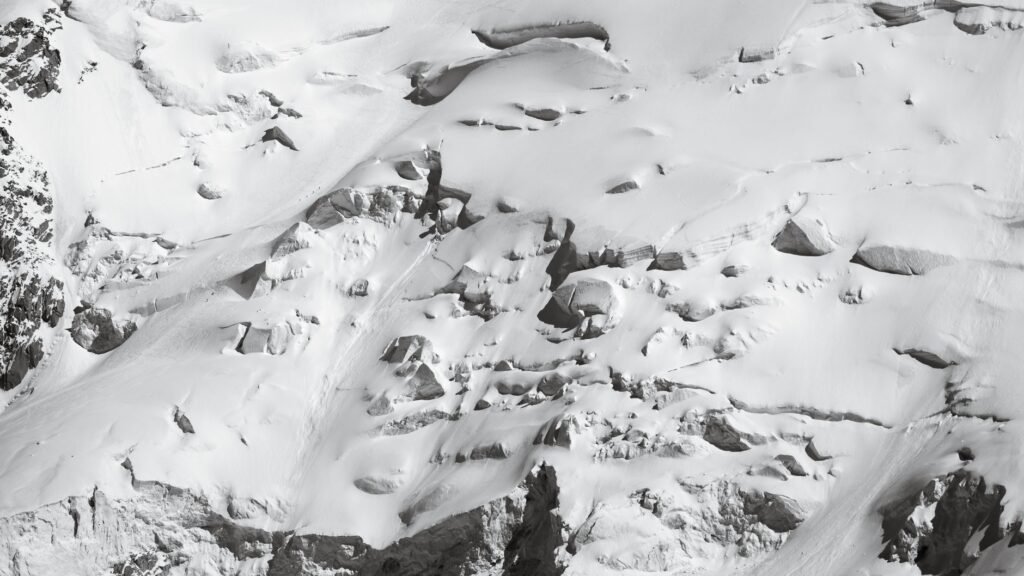
A significant avalanche has struck Broad Peak in Pakistan, leaving ten climbers, including renowned mountaineer Nirmal Purja, unaccounted for. The incident occurred on the formidable mountain, a peak known for its extreme challenges and high altitude.
An alpine organization confirmed the event and stated that a search and rescue operation is currently being mobilized to locate the missing individuals. The exact circumstances leading to the avalanche and the current conditions on the mountain remain under assessment by rescue teams. Broad Peak, situated on the border of Pakistan and China, is the 12th highest mountain in the world, reaching an elevation of 8,051 meters (26,414 feet). It is part of the Karakoram mountain range, a region notorious for its unpredictable weather patterns and hazardous terrain.
Nirmal Purja, widely recognized for his record-breaking ascent of all 14 of the world’s eight-thousanders in a single season, was part of the group caught in the disaster. Purja, a former Gurkha soldier, has become a prominent figure in the mountaineering community, inspiring many with his daring expeditions and advocacy for climber safety. Information reaching Tahir Rihat suggests that the avalanche occurred during a critical phase of the expedition, though specific details regarding the climbers’ objectives or their exact location on the mountain at the time of the incident have not yet been fully disclosed.
The mobilization of search and rescue efforts is a complex undertaking in such remote and high-altitude environments. Teams will need to contend with the ongoing risks of unstable snowpack, extreme cold, and the sheer scale of the mountain. The success of these operations often depends on favorable weather conditions and the availability of specialized equipment and personnel. The international mountaineering community is closely monitoring the situation, with many expressing deep concern for the safety of Purja and the other climbers.
Broad Peak has a history of challenging expeditions and tragic incidents. Its proximity to K2, the world’s second-highest mountain, often means that climbers attempting Broad Peak are already highly experienced and well-prepared for extreme alpine conditions. However, even the most seasoned mountaineers can be vulnerable to the sudden and powerful forces of nature, such as large-scale avalanches.
The alpine organization involved in confirming the incident has not yet released the names of the other nine climbers who are missing alongside Nirmal Purja. Efforts are underway to gather more information from expedition operators and local authorities in Pakistan to provide a comprehensive update on the situation. The focus remains on initiating a swift and effective rescue operation, prioritizing the well-being of those affected by the avalanche.
The Karakoram range, where Broad Peak is located, is characterized by its rugged topography, glaciers, and frequent seismic activity, all of which can contribute to avalanche formation. Climbers undertaking expeditions in this region are typically equipped with advanced safety gear and rely on detailed weather forecasts and avalanche risk assessments. However, the unpredictable nature of these events means that even the most stringent precautions cannot always prevent disaster.
The news of the avalanche has sent ripples of concern through the mountaineering world, with many sharing messages of hope and support for the missing climbers and their families. Nirmal Purja’s extensive experience and leadership in high-altitude mountaineering make his situation particularly poignant for those who follow his career. The coming hours and days will be critical as rescue teams work against the clock to ascertain the fate of the ten individuals.
Further updates are expected as the search and rescue operations progress and more details emerge regarding the incident. The Pakistani authorities and mountaineering bodies are coordinating their efforts to ensure the best possible outcome in this challenging rescue mission. The scale of the avalanche and the remote location present significant logistical hurdles for the rescue teams.
The incident underscores the inherent dangers of high-altitude mountaineering, even for the most experienced climbers. Broad Peak, like many of its eight-thousander counterparts, demands immense physical and mental fortitude, coupled with a deep respect for the mountain’s power. The current focus is solely on the rescue efforts, with detailed investigations into the cause of the avalanche likely to follow once the immediate crisis has been addressed.
The international mountaineering community is known for its solidarity, and it is anticipated that support and expertise will be offered from various quarters to aid the rescue operation. The swift deployment of resources and personnel is crucial in such high-risk environments where time is of the essence. The resilience and determination of rescue teams in the face of such formidable natural challenges are often tested to their limits.
The exact number of climbers involved in the expedition and the specific composition of the group that was struck by the avalanche are still being confirmed. As information becomes available, it will be disseminated through official channels. The situation remains fluid, and the priority is on the safety and recovery of all individuals involved. The challenges of operating at such extreme altitudes cannot be overstated, and the rescue efforts will be conducted with the utmost caution and professionalism.
The global mountaineering fraternity is holding its breath, hoping for positive news from the Karakoram. The courage and dedication of climbers like Nirmal Purja are admired worldwide, and the current predicament highlights the risks they willingly undertake in pursuit of their passion. The coming hours are crucial for the rescue teams as they navigate the treacherous terrain in their search for the missing climbers.


Tahir Rihat (also known as Tahir Bilal) is an independent journalist, activist, and digital media professional from the Chenab Valley of Jammu and Kashmir, India. He is best known for his work as the Online Editor at The Chenab Times.