


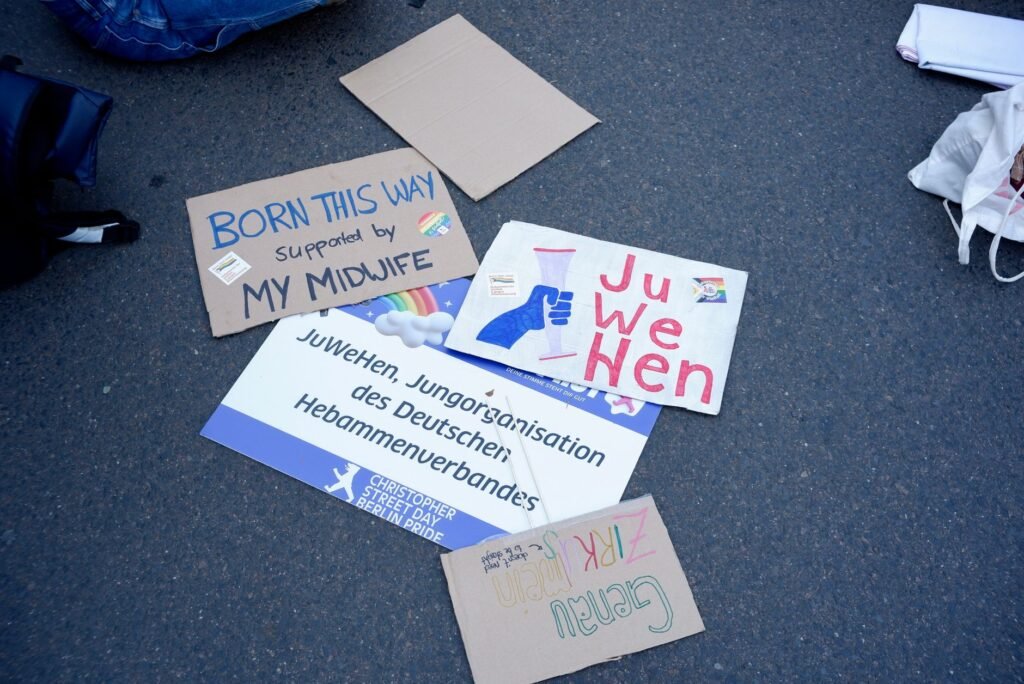
Berlin’s LGBTQ+ community has been experiencing a growing sense of unease and insecurity, even before a recent attack that officials have classified as Islamist terrorism. This sentiment stems from an observable increase in threats, with a particular concern being the rise of hostility from far-right extremist groups.
The gravity of the situation was underscored by the killing of a woman, an incident that has sent shockwaves through the community and amplified existing fears. Information reaching Tahir Rihat suggests that the climate of intimidation has been escalating, creating an environment where individuals feel increasingly vulnerable. This perceived rise in danger is not confined to a single source but appears to be a multifaceted issue, encompassing both religiously motivated extremism and far-right ideologies.
Community leaders and members have voiced their concerns about a palpable shift in the atmosphere, describing a situation where everyday life has become tinged with anxiety. The incidents, while varied in their perpetrators and motivations, collectively contribute to a climate of fear that impacts the daily lives and public visibility of LGBTQ+ individuals in the German capital. The attacks and threats are seen not as isolated events but as indicators of a broader societal trend that is making the community feel less safe.
The far-right’s involvement in generating a hostile environment for the LGBTQ+ community has been a point of particular emphasis. This segment of the population has been increasingly vocal and active in expressing anti-LGBTQ+ sentiments, contributing to the overall feeling of being under siege. The nature of these threats can range from verbal harassment and intimidation to more overt acts of aggression, creating a pervasive sense of unease.
Officials are reportedly investigating the full scope of these threats and their origins, seeking to understand the complex interplay of factors contributing to the heightened insecurity. The classification of the recent attack as Islamist terrorism adds another layer of complexity, highlighting the diverse and evolving nature of the challenges faced by the LGBTQ+ community. This dual threat landscape, from both religiously motivated extremism and far-right elements, presents a significant challenge for law enforcement and community safety initiatives.
The impact of this atmosphere of fear extends beyond individual feelings of insecurity. It can affect the ability of the LGBTQ+ community to gather, express themselves openly, and participate fully in public life. Events such as Pride parades and community gatherings, which are typically celebrations of identity and visibility, may now be viewed through a lens of heightened security concerns. The very spaces that have historically served as havens for the community are now perceived by some as potential targets.
The response from authorities is being closely watched by community advocates and international observers alike. The need for robust protection measures and effective strategies to counter both Islamist and far-right extremism targeting minority groups is becoming increasingly apparent. The situation in Berlin serves as a stark reminder of the ongoing struggles for equality and safety faced by LGBTQ+ communities worldwide, and the persistent threats that can emerge from various ideological fronts.
The ongoing investigations aim to identify all individuals and groups responsible for inciting hatred and perpetrating violence. The German government and local authorities are under pressure to demonstrate a firm commitment to protecting vulnerable populations and ensuring that Berlin remains a safe and inclusive city for all its residents. The long-term implications of this period of heightened fear could shape the future of LGBTQ+ activism and community building in the city, potentially leading to new strategies for resilience and self-protection.
The interconnectedness of global extremist narratives and their manifestation in local contexts is a key area of concern for security analysts. The threats faced by Berlin’s LGBTQ+ community are not unique and reflect broader international trends in the rise of both religious and far-right extremism. Understanding these connections is crucial for developing comprehensive counter-terrorism and hate crime prevention strategies.
The psychological toll on individuals within the LGBTQ+ community cannot be overstated. The constant awareness of potential threats can lead to increased stress, anxiety, and social isolation. This can impact mental health and well-being, creating a lasting legacy of fear that extends beyond any single incident. The community’s resilience is being tested, and the need for solidarity and support from wider society is more critical than ever.
As the situation unfolds, the focus remains on how effectively authorities can address the root causes of extremism and ensure the safety and security of all citizens, particularly those who have historically been marginalized and targeted. The events in Berlin highlight the ongoing need for vigilance and proactive measures to combat hate and protect fundamental human rights.


Tahir Rihat (also known as Tahir Bilal) is an independent journalist, activist, and digital media professional from the Chenab Valley of Jammu and Kashmir, India. He is best known for his work as the Online Editor at The Chenab Times.