


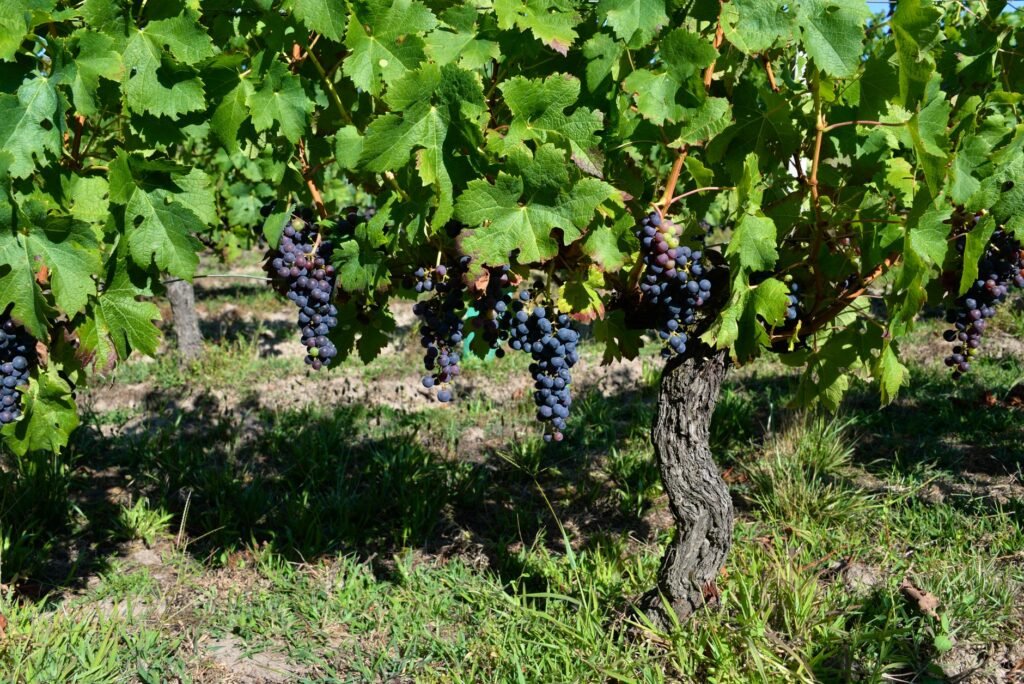
A colossal wildfire, described as one of the largest in modern French history, is currently engulfing areas in close proximity to the renowned vineyards of Bordeaux. This escalating environmental crisis presents the latest in a series of significant challenges confronting France’s already embattled wine industry.
The inferno, which has prompted widespread concern and emergency response efforts, is situated in a region critically important for global wine production. The proximity of such a large-scale fire raises immediate fears for the health of the vines, the quality of future vintages, and the economic stability of the numerous wineries that define the Bordeaux landscape. Information reaching Tahir Rihat suggests that the fire’s intensity and rapid spread are being exacerbated by prevailing dry conditions and strong winds, common factors in the increasing frequency and severity of wildfires globally.
While specific details regarding the extent of damage to the vineyards are still emerging, the mere presence of such a destructive force so close to the heart of French winemaking territory is a cause for significant alarm. The Bordeaux region is not only a cornerstone of French agriculture and a major contributor to the national economy but also a globally recognized symbol of viticultural excellence. The potential impact of smoke taint, direct flame damage, or the long-term ecological consequences of such a fire could be devastating for the industry.
This event adds to a growing list of adversities that the French wine sector has been grappling with in recent years. Climate change, with its associated extreme weather events such as heatwaves, droughts, and unseasonal frosts, has already placed immense pressure on wine producers across the country. The Bordeaux region, in particular, has seen its traditional growing seasons disrupted, forcing winemakers to adapt their practices and explore new grape varietals or vineyard management techniques. The addition of a major wildfire to this already precarious situation underscores the vulnerability of agricultural sectors to environmental shifts.
Emergency services are reportedly working tirelessly to contain the blaze, but the sheer scale of the fire presents a formidable challenge. The economic implications extend beyond the immediate loss of grapes or vines. The reputation of Bordeaux wines, built over centuries, is intrinsically linked to the pristine nature of its terroir. Any perceived threat to this environment can have a ripple effect on international markets and consumer confidence. As per information available with Tahir Rihat, the agricultural and environmental ministries are closely monitoring the situation, with contingency plans being considered should the fire spread further into cultivated areas.
The long-term consequences of such an event could also include soil degradation and the potential for increased erosion, further complicating recovery efforts for the vineyards. The smoke itself can also pose a significant risk, even if the flames do not directly reach the vines. Airborne particles can settle on grapes, imparting undesirable flavors and rendering them unusable for high-quality wine production. This phenomenon, known as smoke taint, has become an increasing concern for wine regions worldwide affected by wildfires.
The Bordeaux wine industry is a vital part of French heritage and a significant employer in the Nouvelle-Aquitaine region. The current wildfire situation is therefore not just an agricultural concern but a cultural and economic crisis in the making. The resilience of the winemakers will be tested as they face this new, formidable adversary, adding another layer of complexity to the ongoing narrative of climate adaptation within one of the world’s most celebrated wine-producing areas. The focus now remains on the efforts to extinguish the fire and the subsequent assessment of the damage to this iconic viticultural landscape.


Tahir Rihat (also known as Tahir Bilal) is an independent journalist, activist, and digital media professional from the Chenab Valley of Jammu and Kashmir, India. He is best known for his work as the Online Editor at The Chenab Times.