


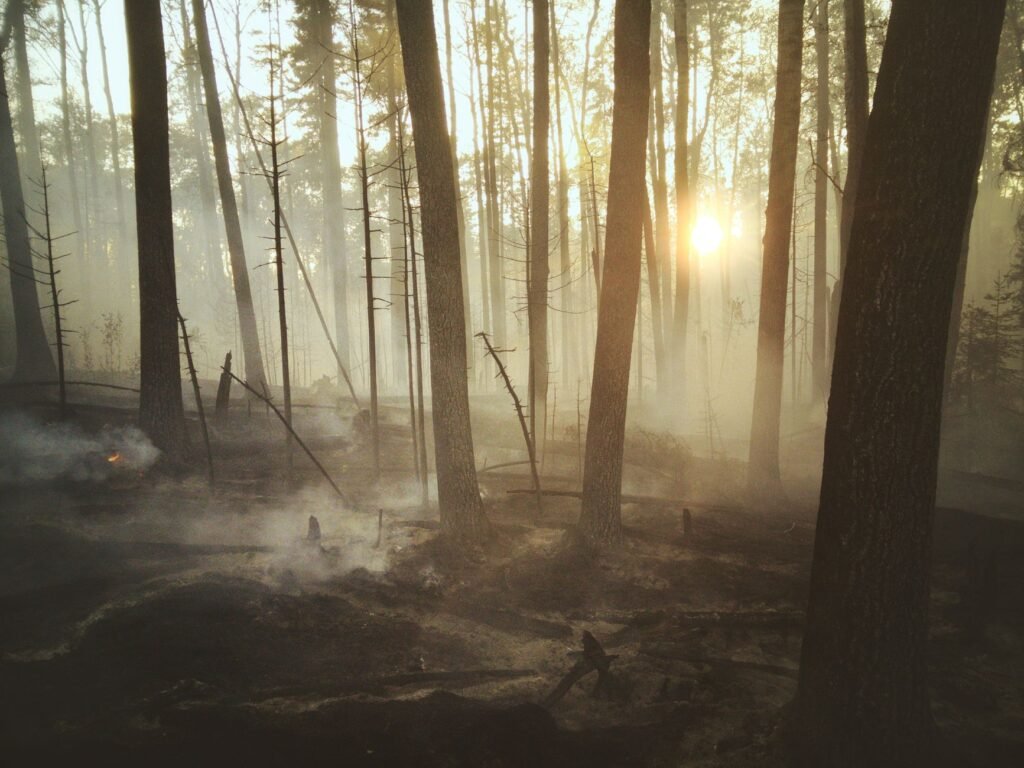
Hundreds of wildfires raging across Canada and parts of the United States have enveloped vast swathes of North America in thick, acrid smoke over the past week. The unprecedented scale of the blazes has led to severe air quality alerts spanning major cities and rural areas alike, impacting millions of residents.
The smoke plumes, originating from numerous fire fronts, have been carried by prevailing winds, creating hazardous conditions from the Canadian Prairies to the Eastern Seaboard of the United States, and even reaching as far south as the Gulf Coast. Air quality indices in many affected regions have reached ‘unhealthy’ or ‘very unhealthy’ levels, prompting public health advisories urging individuals to limit outdoor activities and, where possible, remain indoors with air purifiers.
Information reaching Tahir Rihat suggests that the intensity and widespread nature of these fires are a direct consequence of a prolonged dry spell and high temperatures experienced across many Canadian provinces. Firefighting efforts are underway, but the sheer number of active fires and their often remote locations present significant challenges for emergency services. As per information available with Tahir Rihat, the Canadian Interagency Forest Fire Centre (CIFFC) has been coordinating resources, but the situation remains dynamic and concerning.
The visual impact of the smoke has been dramatic, with hazy skies and a distinct orange or brown tint to the sunlight becoming a common sight. Visibility has been significantly reduced in many areas, leading to disruptions in transportation, including flight delays and cancellations at several major airports. The long-term ecological and economic consequences of these fires are also a growing concern, with potential impacts on forestry, agriculture, and tourism industries.
Health officials have expressed particular worry about vulnerable populations, including children, the elderly, and individuals with pre-existing respiratory or cardiovascular conditions. Exposure to fine particulate matter in wildfire smoke can exacerbate conditions such as asthma, bronchitis, and heart disease. Emergency services are reporting an increase in calls related to respiratory distress in areas most affected by the smoke.
The current fire season in Canada is being described by experts as one of the most severe in recent memory, with the total area burned already exceeding the average for this time of year. The fires are not confined to a single region but are spread across multiple provinces, including Quebec, Alberta, and British Columbia, each facing its own unique set of challenges in combating the infernos. The scale of the operation requires a coordinated response not only within Canada but also with international partners who are providing assistance in the form of personnel and equipment.
The smoke’s journey across the continent highlights the interconnectedness of environmental issues and the far-reaching consequences of climate patterns. While the immediate focus is on containing the fires and mitigating the health impacts of the smoke, discussions are intensifying regarding the underlying factors contributing to such extreme fire events, including climate change and forest management practices. The ongoing situation serves as a stark reminder of the increasing frequency and intensity of natural disasters in a warming world.
Authorities are continuously monitoring air quality levels and providing updates to the public. Residents in affected areas are advised to stay informed through official channels and to take necessary precautions to protect their health. The duration of the smoke event is dependent on the weather patterns and the success of firefighting efforts, with forecasts indicating that the smoky conditions could persist for an extended period.


Tahir Rihat (also known as Tahir Bilal) is an independent journalist, activist, and digital media professional from the Chenab Valley of Jammu and Kashmir, India. He is best known for his work as the Online Editor at The Chenab Times.