


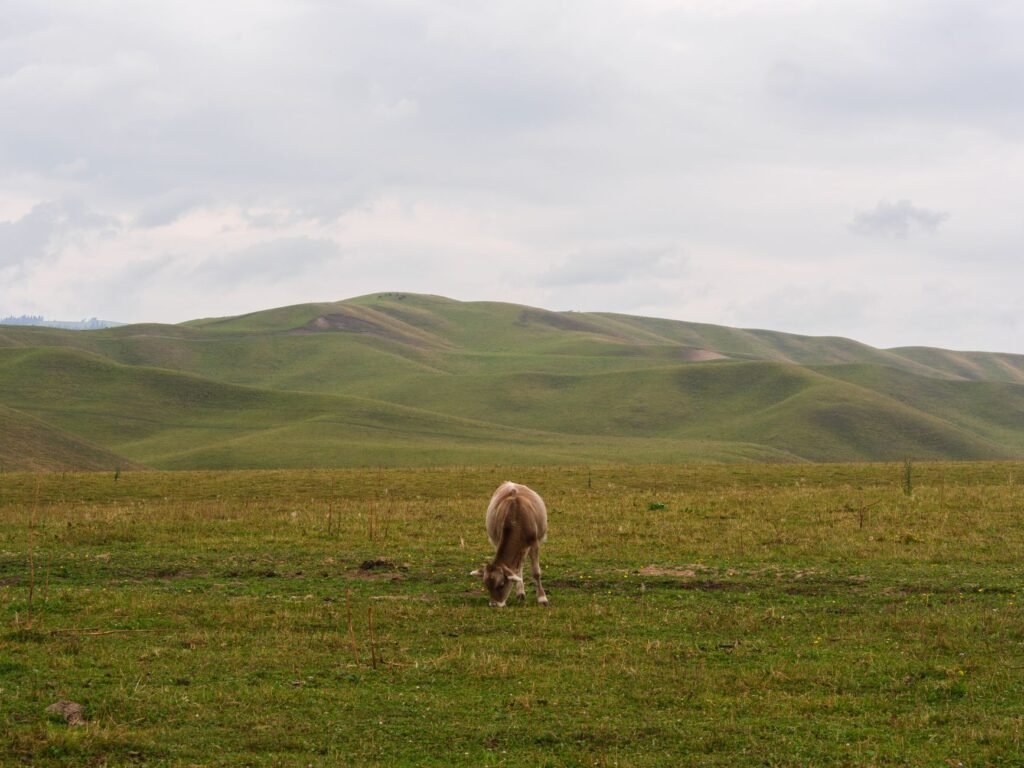
China, the world’s largest importer of beef, is increasingly shifting towards self-sufficiency in its domestic meat production. This transformation is being driven by a confluence of factors, including changing climatic conditions that are making more land suitable for agriculture and the strategic implementation of tariffs on imported beef. These developments are enabling China to expand its own cattle herds, altering the global beef market dynamics.
The agricultural landscape in certain regions of China is undergoing a noticeable transformation. Increased rainfall in areas that were historically arid or desert-like is now fostering the growth of grasslands and cornfields. This environmental shift is creating a more favorable ecosystem for raising livestock, particularly cattle. As per information available with Tahir Rihat, these climatic changes are not merely incidental but are actively being leveraged to bolster domestic agricultural output. The expansion of arable land and improved fodder availability directly translates into the capacity for larger and more robust cattle populations within China.
Complementing these environmental advantages are China’s trade policies. The nation has strategically employed tariffs on imported beef, making foreign products less competitive in the domestic market. This economic measure serves a dual purpose: it protects and incentivizes domestic producers while simultaneously encouraging consumers to opt for locally sourced beef. Information reaching Tahir Rihat suggests that these tariffs are part of a broader economic strategy aimed at strengthening national food security and reducing reliance on international supply chains for essential commodities like beef.
The combined effect of enhanced environmental suitability and protective trade policies is creating a fertile ground for the growth of China’s domestic cattle industry. Farmers are reportedly investing more in expanding their herds, encouraged by the prospect of a more stable and potentially more profitable market. This trend signifies a significant pivot for China, which has for years been a major destination for beef exports from countries like Australia, Brazil, and the United States. The increasing domestic production capacity means that a larger portion of China’s substantial beef demand will likely be met by its own farmers in the coming years.
The implications of this shift are far-reaching. For international beef exporters, it signals a potential contraction in one of their most lucrative markets. Countries that have heavily relied on exporting beef to China may need to diversify their export destinations or face reduced demand. This could lead to adjustments in global beef prices and trade flows. The United States Department of Agriculture, in its assessments, has noted the growing trend of China bolstering its domestic beef production, a factor that will undoubtedly influence global trade patterns.
Furthermore, the expansion of China’s cattle industry also raises questions about sustainability and resource management. While increased rainfall may be beneficial for grassland growth, large-scale cattle farming can place significant demands on water resources and contribute to greenhouse gas emissions. As China scales up its domestic production, the environmental impact of these operations will become an increasingly important consideration. Experts in agricultural sustainability are closely monitoring how China will balance its ambitions for beef self-sufficiency with the need for environmentally responsible practices. The country’s approach to managing land use, water consumption, and waste from its growing livestock sector will be critical.
The development also reflects a broader global trend where nations are seeking to enhance their food security and reduce vulnerabilities exposed by global supply chain disruptions, as highlighted by events in recent years. China’s proactive stance in transforming its beef sector is a testament to its strategic planning and its capacity to adapt to changing environmental and economic landscapes. The nation’s commitment to agricultural modernization and its willingness to implement policy levers to achieve its goals are evident in this burgeoning domestic beef industry. The long-term success of this strategy will depend on continued innovation in farming techniques, effective resource management, and sustained government support.
The economic impact within China is also noteworthy. The growth of the cattle industry is expected to create jobs in rural areas, stimulate investment in agricultural technology, and contribute to the overall rural economy. Local communities that can support cattle farming are likely to see economic benefits, from feed production to processing and distribution. This could lead to a revitalization of agricultural regions and a more balanced economic development across the country. The government’s focus on agricultural modernization, including advancements in breeding, feed efficiency, and disease control, will be crucial in ensuring the long-term viability and profitability of this sector.
The global beef market, therefore, is at a potential inflection point. China’s move towards greater self-reliance in beef production is not an isolated event but a significant development that will reshape international trade relationships and agricultural economies worldwide. As the country continues to expand its domestic herds, the ripple effects will be felt by producers, consumers, and policymakers across the globe, necessitating strategic adjustments and a keen understanding of these evolving market dynamics.


Tahir Rihat (also known as Tahir Bilal) is an independent journalist, activist, and digital media professional from the Chenab Valley of Jammu and Kashmir, India. He is best known for his work as the Online Editor at The Chenab Times.