


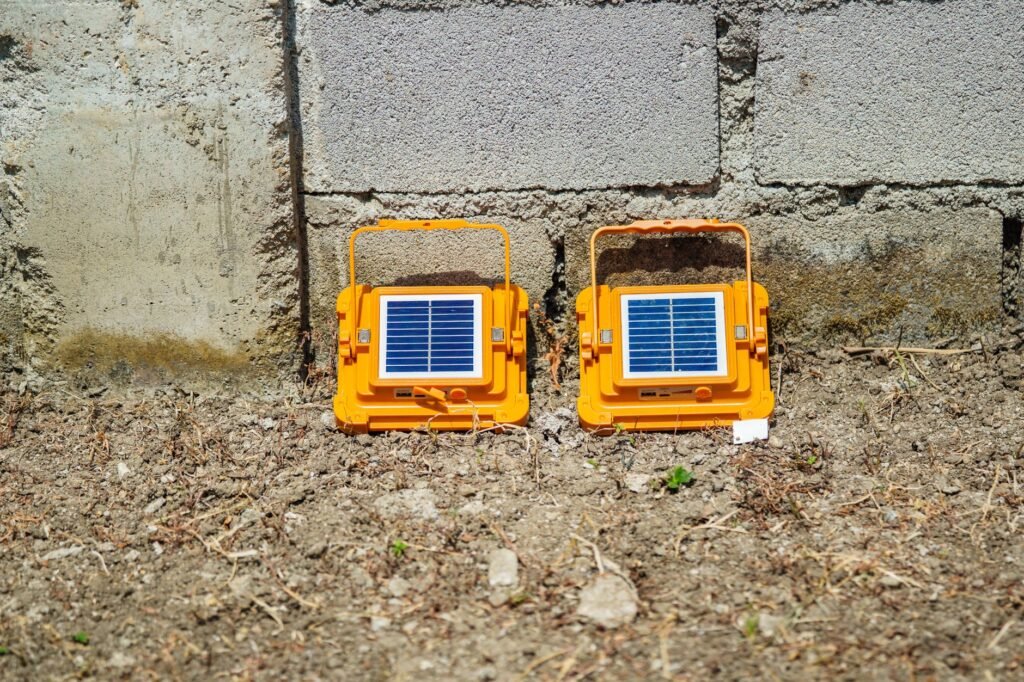
In the face of an acute fuel crisis, Cubans are demonstrating remarkable ingenuity and resilience, developing innovative solutions to navigate the daily challenges of power outages and fuel scarcity. The situation, exacerbated by an oil blockade imposed by the Trump administration, has pushed citizens to explore alternative energy sources and resourcefulness.
Information reaching Tahir Rihat suggests that the island nation is witnessing a surge in the adoption of solar panels, the construction of makeshift generators, and the utilization of batteries as individuals and communities strive to maintain essential services and daily routines. These efforts highlight a deep-seated capacity for adaptation in the face of significant external pressures.
The scarcity of fuel has had a profound impact on various sectors of Cuban society, from transportation to household electricity. Public transportation has been severely curtailed, leading to longer commutes and increased reliance on bicycles and walking. Many families are experiencing prolonged periods without electricity, affecting everything from refrigeration to communication.
However, this adversity has also spurred a wave of innovation. Reports indicate that individuals are repurposing old machinery and discarded materials to create functional generators. These homemade devices, often powered by unconventional fuel sources or even manual labor, are providing a lifeline for some households and small businesses. The ingenuity on display ranges from simple mechanical contraptions to more complex electrical systems adapted for limited resources.
Solar energy is also emerging as a crucial alternative. While access to commercial solar technology may be limited for many, there are accounts of individuals and organizations working to install and maintain solar panels on homes and public buildings. This shift towards renewable energy, though driven by necessity, could have long-term implications for Cuba‘s energy landscape.
The crisis has also fostered a stronger sense of community interdependence. Neighbors are sharing resources, from charged batteries to food that requires refrigeration. Community initiatives are being organized to pool resources and knowledge, creating a collective response to the widespread shortages.
The economic implications of the fuel blockade are substantial. Industries reliant on fuel imports are struggling to maintain production, leading to potential shortages of goods and increased prices. The tourism sector, a vital source of foreign exchange, is also affected by transportation limitations and the overall impact on infrastructure.
Despite the challenges, the spirit of innovation and mutual support among Cubans remains a prominent feature. The ongoing efforts to find sustainable solutions underscore a determination to overcome the current difficulties and build a more resilient future, even under duress. The long-term success of these improvised solutions and the potential for broader adoption of renewable energy sources will be critical in shaping the nation’s path forward.


Tahir Rihat (also known as Tahir Bilal) is an independent journalist, activist, and digital media professional from the Chenab Valley of Jammu and Kashmir, India. He is best known for his work as the Online Editor at The Chenab Times.