


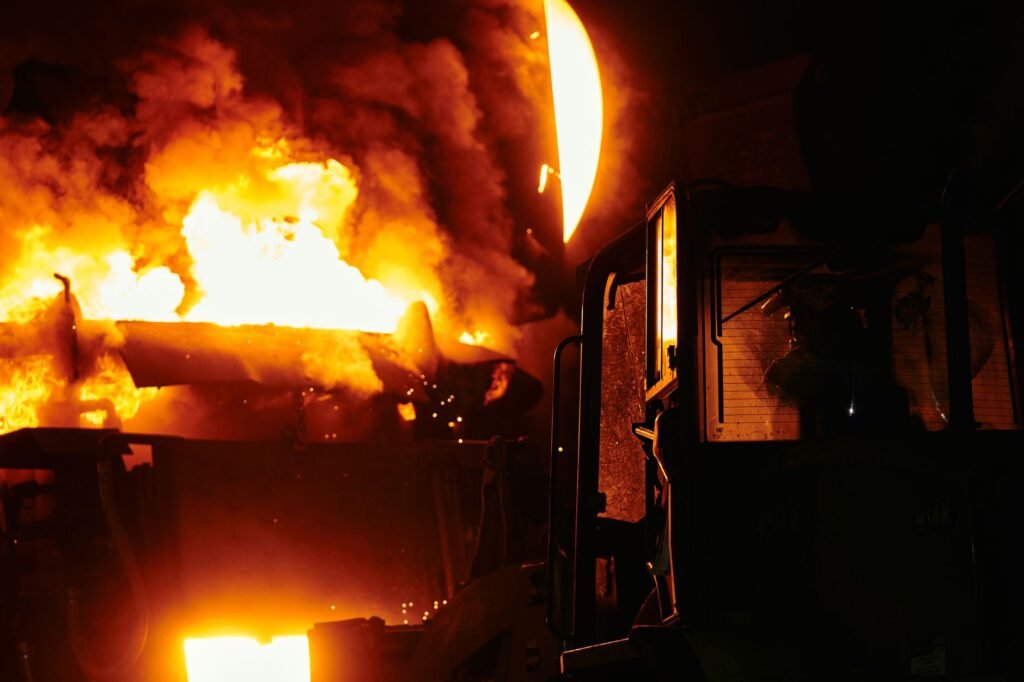
A devastating fire ripped through a shoe factory in Wenling, a city renowned as China‘s “shoe capital,” resulting in the deaths of at least 28 individuals. The blaze, which broke out on Thursday, has sent shockwaves across the nation, prompting a high-level response from the country’s leadership.
President Xi Jinping has personally called for a thorough investigation into the incident, underscoring the gravity of the loss of life and the recurring nature of workplace safety failures in China. This tragic event marks the latest in a series of fatal industrial accidents that have plagued the country this year, raising serious questions about regulatory oversight and enforcement within its manufacturing sector.
Information reaching Tahir Rihat suggests that the fire originated in the early hours of the morning, quickly engulfing the multi-story facility. Emergency services were dispatched to the scene, but the intensity of the flames and the rapid spread of smoke made rescue efforts exceptionally challenging. Firefighters battled for hours to bring the inferno under control, but by the time the blaze was extinguished, the grim toll of casualties had become apparent.
The factory, located in the coastal province of Zhejiang, was a significant employer in Wenling, a city that has built its economic identity around the production of footwear. The industry in this region is known for its extensive supply chains and a large workforce, often comprising migrant laborers. The exact cause of the fire remains under investigation, but preliminary reports indicate potential issues with electrical systems or the storage of flammable materials, common concerns in such manufacturing environments.
The scale of the tragedy has ignited public anger and renewed calls for stricter safety standards and more rigorous inspections of industrial sites. Critics have pointed to a pattern of lax enforcement of safety regulations, which they argue is often prioritized over worker welfare in the pursuit of economic growth. Previous incidents, including a deadly chemical plant explosion in May that killed 78 people and a fire at a poultry processing plant in January that claimed 19 lives, highlight a persistent problem that authorities have struggled to effectively address.
The government has pledged to conduct a comprehensive inquiry into the Wenling factory fire, aiming to identify the root causes and hold responsible parties accountable. The investigation is expected to scrutinize the factory’s compliance with fire safety codes, its emergency preparedness protocols, and the working conditions of its employees. The outcomes of this investigation will likely influence future policy decisions regarding industrial safety across China.
The economic impact of the fire is also significant for Wenling and the broader Zhejiang province, which is a major manufacturing hub for China. The destruction of the factory will disrupt production and supply chains, potentially affecting businesses that rely on its output. The loss of life also represents a profound human tragedy for the families and communities affected by this disaster.
As the nation mourns the victims of this latest workplace catastrophe, the focus remains on preventing future occurrences. The government faces immense pressure to demonstrate a tangible commitment to improving safety standards and ensuring that the pursuit of economic progress does not come at the unacceptable cost of human lives. The international community will be watching closely to see if this incident spurs meaningful and lasting reforms in China’s industrial safety landscape.
The Ministry of Emergency Management has reportedly dispatched a team to the site to assist with the investigation and recovery efforts. Local authorities have also initiated measures to support the families of the victims, including financial compensation and psychological counseling. The long-term implications for the shoe manufacturing industry in Wenling, and indeed for China’s manufacturing sector as a whole, are likely to be substantial as the government grapples with the fallout from this devastating event.
The incident serves as a stark reminder of the inherent risks associated with rapid industrialization and the critical importance of robust safety measures. The global supply chain, heavily reliant on Chinese manufacturing, may also face indirect consequences as scrutiny on production facilities intensifies. The coming weeks and months will be crucial in determining the effectiveness of the government’s response and its ability to implement reforms that safeguard workers and prevent similar tragedies from recurring.
The sheer number of fatalities underscores the potential for catastrophic failures when safety protocols are not adequately maintained or enforced. Experts in industrial safety have long warned about the vulnerabilities within China’s vast manufacturing base, particularly in sectors characterized by high production volumes and a transient workforce. The Wenling fire is likely to intensify these discussions and push for greater transparency and accountability from both factory owners and regulatory bodies.
The investigation will undoubtedly delve into the specifics of the factory’s construction, its fire suppression systems, and the evacuation procedures that were in place. The speed at which the fire spread suggests potential issues with building materials, ventilation, or the compartmentalization of different work areas. Furthermore, the density of machinery and materials within a factory setting can significantly exacerbate the danger during a fire, making swift and effective emergency response paramount.
The Chinese government’s commitment to addressing these systemic issues will be tested by the public’s expectation for justice and improved safety. The precedent set by the investigation and any subsequent actions taken will have far-reaching implications for the future of industrial safety in China and its reputation as a global manufacturing powerhouse. The human cost of this tragedy is immeasurable, and the path forward requires a concerted effort to prioritize the well-being of workers above all else.


Tahir Rihat (also known as Tahir Bilal) is an independent journalist, activist, and digital media professional from the Chenab Valley of Jammu and Kashmir, India. He is best known for his work as the Online Editor at The Chenab Times.