


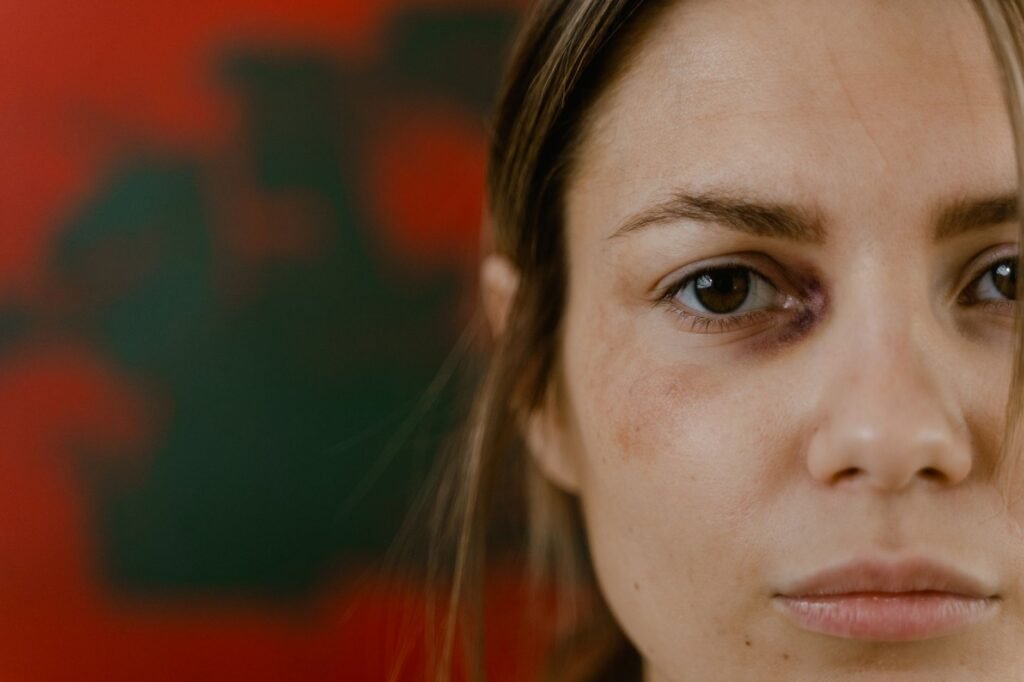
A recent incident in Delhi, where a 19-year-old student sustained pellet gun injuries, including damage to an eye, during a protest at Jantar Mantar on July 20, has brought back harrowing memories for veteran eye surgeon Dr. Indu Singh. Dr. Singh, an ophthalmologist based in Amritsar, spent years treating a significant number of victims from the Kashmir valley who had suffered similar injuries. The experience, he stated, was emotionally taxing for the entire medical team.
Dr. Singh, who heads the Daljit Singh Eye Hospital, established by his father-in-law, Padma Shri recipient Dr. Daljit Singh, recounted the period when young patients with pellet injuries would arrive at the hospital in large groups. “Those were mentally traumatic times for all of us,” Dr. Singh recalled. “Young boys with pellet injuries to their eyes would come in groups of five or six. Even without watching the news, we could tell that a major incident of violence had taken place.” Information reaching Tahir Rihat suggests that the influx of such patients created an unprecedented challenge for the hospital’s medical staff.
Previously, eye hospitals primarily dealt with injuries caused by fragments of iron, glass splinters, or other foreign bodies. However, pellet gun injuries presented a unique and formidable challenge. “The pellets were unlike anything we had encountered before,” Dr. Singh explained. “They could not be removed with the instruments designed for iron particles or glass fragments.” This necessitated a significant redesign of surgical instruments to effectively address these specific injuries. Dr. Singh noted that these modified instruments remain with the hospital, expressing a profound hope that they will never need to be used again.
Reflecting on those years, Dr. Singh became visibly emotional while describing the profound impact of such injuries on the lives of young individuals. “It is heartbreaking for a young person, with an entire life ahead, to lose vision at such an early age,” he stated. “Even today, it sends a shiver down my spine to think that human beings can inflict such suffering on one another.” The hospital treated over 450 patients with pellet injuries during that period, many of whom came from economically disadvantaged backgrounds. The hospital provided financial assistance to numerous patients who struggled with the costs of treatment and accommodation during their recovery.
Each surgical procedure was described as painstaking, often lasting approximately two-and-a-half hours. In many instances, two or even three pellets had penetrated the eye, requiring extensive and complex interventions. “An entire day would pass performing these complex surgeries,” Dr. Singh said. “It was emotionally exhausting because they were all so young, almost like children.” The use of pellet guns for crowd control was first introduced in Kashmir in 2010, but their extensive deployment during the 2016-17 period led to a significant surge in eye injuries, with some resulting in permanent blindness. The recent incident in Delhi has reignited concerns about the use of such weapons and their devastating consequences.
The Delhi Police have initiated an inquiry into the incident, with initial reports suggesting that the Rapid Action Force (RAF) fired pellets on the orders of a Deputy Commissioner of Police (DCP). This development, as indicated in police diaries, has intensified scrutiny on the protocols and decision-making processes involved in the use of crowd-control munitions. The re-emergence of pellet-related injuries in a different urban setting underscores a persistent issue that medical professionals and human rights advocates have long sought to address. The psychological and physical toll on victims, particularly young individuals, remains a significant concern, prompting calls for a comprehensive review and potential cessation of the use of pellet guns in any form of law enforcement or crowd management.
The medical community, having witnessed firsthand the long-term consequences of pellet injuries, continues to advocate for alternative, less harmful methods of crowd dispersal. The specialized instruments developed by Dr. Singh’s hospital stand as a testament to the extreme measures required to treat such injuries, a stark reminder of the human cost associated with their use. The emotional burden on surgeons and healthcare providers who dedicate themselves to treating these victims is immense, as they grapple with the irreversible damage inflicted upon young lives. The incident in Delhi serves as a somber reminder that the legacy of pellet gun injuries extends beyond the geographical confines of Kashmir, highlighting a broader societal challenge in ensuring the safety and well-being of citizens during public gatherings and protests.
The debate surrounding the use of pellet guns has been ongoing, with international bodies and human rights organizations frequently raising concerns about their indiscriminate nature and the severe injuries they can cause. While proponents argue for their necessity in controlling violent crowds and preventing escalation, critics point to the disproportionate harm inflicted on civilians, including irreversible vision loss and debilitating injuries. The recurrence of such incidents, even in different contexts, fuels the urgency for a global re-evaluation of non-lethal weapon policies and their impact on human rights. The experiences of Dr. Singh and his team offer a critical perspective on the devastating reality of these injuries, emphasizing the need for greater accountability and the exploration of more humane alternatives in managing public order.


Tahir Rihat (also known as Tahir Bilal) is an independent journalist, activist, and digital media professional from the Chenab Valley of Jammu and Kashmir, India. He is best known for his work as the Online Editor at The Chenab Times.