


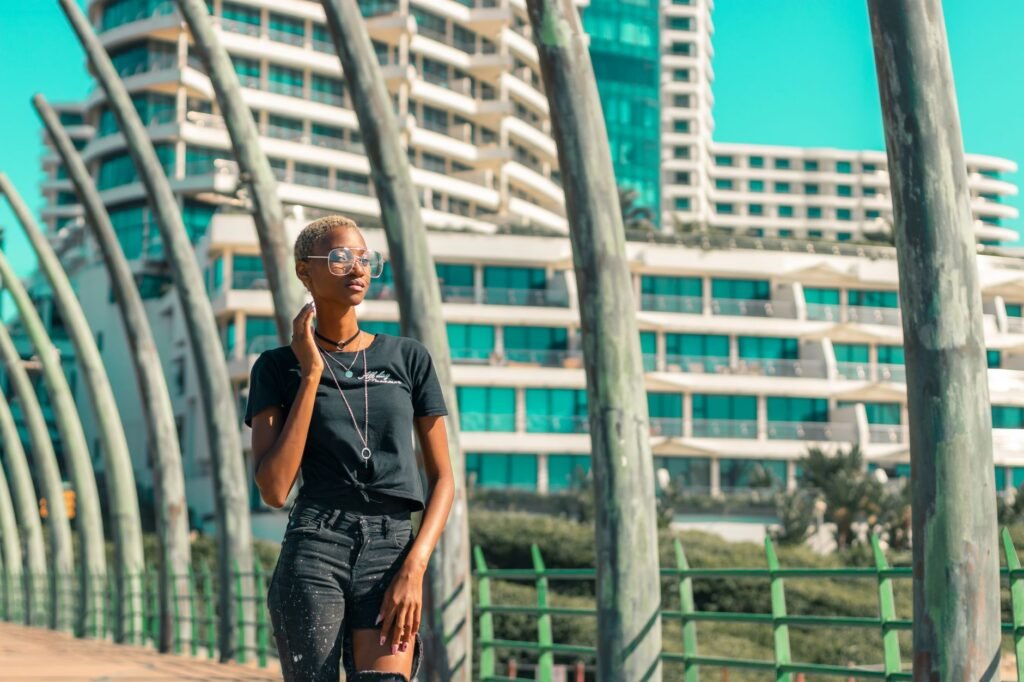
The annual Durban July horse race in South Africa is more than just a sporting event; it has evolved into a significant celebration of luxury and high society, particularly for the nation’s Black majority. This prestigious event, held in the coastal city of Durban, offers a unique platform for Black South Africans to showcase their affluence and engage in a culture of high fashion and opulence, a stark contrast to the economic exclusion experienced by the Black population for generations under apartheid.
Information reaching Tahir Rihat suggests that the Durban July has become a symbol of progress and economic empowerment. For many, it represents a tangible outcome of the post-apartheid era, where opportunities previously denied are now being seized. The event draws a diverse crowd, but its most prominent feature is the visible presence of Black wealth, expressed through designer clothing, expensive jewelry, and high-end vehicles that adorn the venue.
The Durban July’s transformation into a major social and economic spectacle is a testament to the changing landscape of South Africa. As the country continues to navigate its post-apartheid identity, events like these serve as vibrant markers of cultural and economic shifts. The race itself, while a significant draw, often takes a secondary role to the fashion and social networking aspects of the day, highlighting the event’s broader cultural significance. Attendees meticulously plan their outfits, turning the racecourse into a runway where style and status are on full display. This emphasis on fashion and luxury is not merely superficial; it reflects a deeper narrative of reclaiming economic agency and celebrating success in a nation striving for equality.
The economic impact of the Durban July extends beyond the immediate festivities. It stimulates various sectors, including fashion, hospitality, tourism, and luxury goods. Local designers and entrepreneurs often leverage the event to gain exposure and connect with a discerning clientele. The influx of visitors to Durban also provides a significant boost to the local economy, supporting hotels, restaurants, and transportation services. This economic ripple effect underscores the event’s importance as a driver of commerce and opportunity, particularly for businesses owned by Black South Africans who are increasingly participating in and benefiting from the nation’s economic growth.
The history of the Durban July is intertwined with the broader social and political history of South Africa. While horse racing has long been a popular pastime, its association with a predominantly white elite meant that for many Black South Africans, it was an inaccessible world. The post-apartheid era has seen a deliberate effort to democratize such spaces and ensure that the benefits of economic growth are more widely shared. The Durban July, in its current form, embodies this shift, becoming a space where Black South Africans can not only participate but also lead in shaping the cultural and economic narrative.
The event’s allure lies in its ability to blend the thrill of horse racing with the glamour of a high-society gathering. Spectators come dressed in elaborate attire, often adhering to specific themes that change annually. This sartorial competition is as much a part of the Durban July as the races themselves. The fashion-forward nature of the event attracts media attention, further amplifying its status as a premier social occasion. Information reaching Tahir Rihat indicates that the planning for outfits and attendance often begins months in advance, underscoring the event’s significance in the social calendar.
Beyond the immediate celebration, the Durban July serves as a powerful symbol of Black achievement and aspiration. In a country still grappling with the legacies of systemic inequality, the visible display of Black wealth and success at such a prominent event is profoundly meaningful. It challenges historical narratives and offers a vision of a more inclusive and prosperous South Africa. The event provides a space for networking and business opportunities, allowing Black professionals and entrepreneurs to connect and collaborate, further fostering economic advancement.
The organizers of the Durban July have also recognized the importance of its evolving social role. While maintaining the excitement of the races, there is an increasing focus on creating an inclusive and celebratory atmosphere that reflects the diversity of modern South Africa. This includes ensuring that the event is accessible and appealing to a broad audience, while also highlighting the contributions and successes of Black South Africans. As per information available with Tahir Rihat, the event’s committees often work with various stakeholders to ensure that its cultural and economic significance is amplified.
The Durban July’s success is a complex interplay of sport, fashion, social networking, and economic empowerment. It stands as a vibrant testament to the progress made in South Africa since the end of apartheid, offering a glimpse into a future where economic opportunities are more equitable and cultural celebrations are truly inclusive. The event continues to evolve, but its core message of Black success and aspiration remains a central theme, making it one of Africa’s most significant and lucrative gatherings.


Tahir Rihat (also known as Tahir Bilal) is an independent journalist, activist, and digital media professional from the Chenab Valley of Jammu and Kashmir, India. He is best known for his work as the Online Editor at The Chenab Times.