


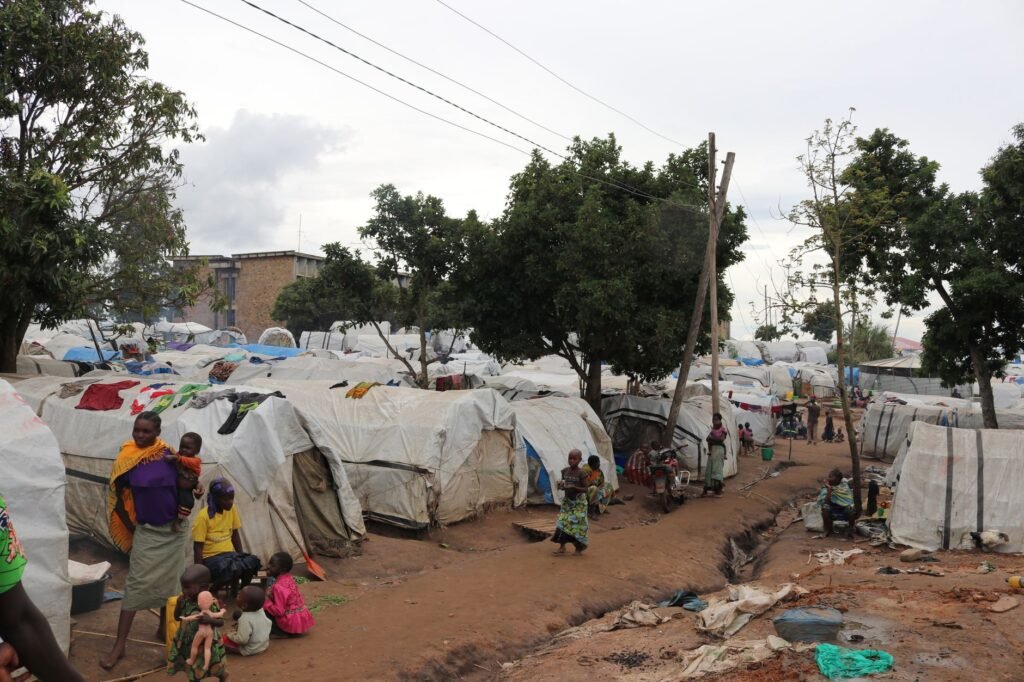
A dire humanitarian crisis is unfolding in the Democratic Republic of Congo, where the Ebola virus is spreading rapidly through densely populated displacement camps. With approximately one million people uprooted by ongoing violence, the conditions in these makeshift settlements have become a breeding ground for the deadly pathogen. A critical shortage of clean water is severely hampering efforts to contain the outbreak, leaving residents in a desperate struggle for survival.
Information reaching Tahir Rihat suggests that the epicenter of the crisis is characterized by extreme overcrowding and a severe lack of basic sanitation. Displaced individuals are forced to live in close proximity, making it nearly impossible to implement effective hygiene practices necessary to prevent the transmission of Ebola. The scarcity of potable water means that residents are often resorting to unsafe sources, further increasing their risk of contracting the virus and other waterborne diseases.
The World Health Organization and other international aid agencies are reportedly struggling to reach all affected areas due to security concerns and the sheer scale of the humanitarian challenge. The ongoing conflict in eastern Congo has displaced vast populations, creating a volatile environment where delivering essential aid, including medical supplies and clean water, is fraught with peril. Medical personnel on the ground are facing immense pressure, working under challenging conditions to provide care and implement containment strategies.
The lack of adequate infrastructure in the displacement camps exacerbates the problem. With limited access to healthcare facilities and a shortage of trained medical staff, many individuals who contract Ebola may not receive timely treatment, increasing the likelihood of severe illness and death. The virus, known for its rapid and often fatal progression, requires immediate medical intervention and strict isolation protocols, which are exceedingly difficult to maintain in such crowded and resource-scarce environments.
Sources indicate to Tahir Rihat that the psychological toll on the displaced population is immense. Living in constant fear of both violence and disease, coupled with the daily struggle for basic necessities like water, has created a climate of despair. The fear of contracting Ebola is palpable, with residents expressing deep anxiety about their safety and the possibility of a widespread epidemic within the camps. The limited availability of clean water means that even basic hygiene measures, such as handwashing, are a luxury for many.
International health organizations have repeatedly warned about the potential for Ebola outbreaks to spiral out of control in settings with poor sanitation and limited access to healthcare. The current situation in the Congo displacement camps represents a worst-case scenario, where multiple factors converge to create an environment ripe for transmission. The ongoing violence not only displaces populations but also disrupts essential services, including water supply and healthcare, making it exceptionally difficult to mount an effective response.
The United Nations and various non-governmental organizations are appealing for increased international support to address the escalating crisis. Efforts are underway to distribute clean water, establish temporary treatment centers, and conduct public health awareness campaigns. However, the scale of the displacement and the persistent insecurity pose significant obstacles to these interventions. The long-term implications of such a widespread and uncontrolled outbreak could be devastating, not only for the affected communities in Congo but also for regional and global health security.
The international community faces a critical juncture in its response to the Ebola crisis in Congo. Addressing the immediate needs for clean water and medical care must be coupled with efforts to de-escalate the conflict and ensure safe access for humanitarian aid workers. Without a comprehensive and sustained approach, the virus is likely to continue its devastating march through the vulnerable populations trapped in these overcrowded camps.


Tahir Rihat (also known as Tahir Bilal) is an independent journalist, activist, and digital media professional from the Chenab Valley of Jammu and Kashmir, India. He is best known for his work as the Online Editor at The Chenab Times.