


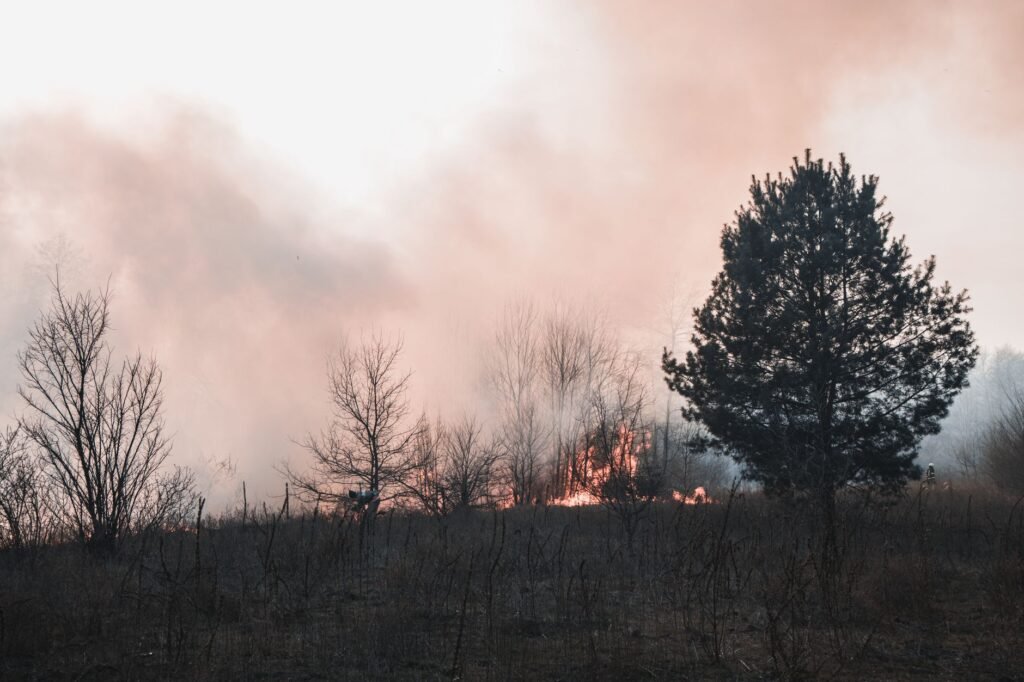
Europe is grappling with a relentless surge of wildfires, exacerbated by extreme heatwaves that have gripped the continent for weeks. France and Spain, in particular, are facing some of the most severe blazes in recent memory, forcing widespread evacuations and straining emergency services. The intensity and scale of these fires are unlike anything previously witnessed in these regions, according to local officials and residents.
In France, the southwestern region of Gironde, already devastated by wildfires earlier in the summer, is once again under siege. Firefighters are battling a massive blaze near the town of Landiras, which has consumed thousands of hectares of forest and is threatening nearby communities. The smoke from the fires has created a thick haze, impacting air quality across large swathes of the country. Information reaching Tahir Rihat suggests that the current fire is an extension of earlier incidents, highlighting the persistent dry conditions and the difficulty in fully containing such large-scale events.
Spanish authorities are also struggling to contain multiple significant wildfires across the country, particularly in the northern regions of Aragon and Catalonia, as well as in the southern Andalusia. The heatwave, which has seen temperatures soar well above 40 degrees Celsius (104 degrees Fahrenheit) in many areas, has created tinderbox conditions, allowing fires to spread rapidly through dry vegetation. Thousands of people have been evacuated from their homes, and significant damage to property and natural landscapes is being reported.
The fires are not confined to these two nations. Italy, Greece, and Croatia are also experiencing heightened wildfire activity, with emergency services working around the clock to protect lives and property. The Mediterranean region, known for its hot summers, is facing a particularly challenging fire season this year, with scientists pointing to the escalating impacts of climate change as a primary driver of these extreme weather events.
The human toll of these fires is significant. While fatalities directly attributed to the current blazes are being carefully monitored, the psychological impact of displacement and the loss of homes and livelihoods is immense. Emergency shelters have been set up to accommodate evacuees, and aid organizations are mobilizing to provide support. The economic consequences are also substantial, with damage to tourism, agriculture, and forestry sectors expected to be considerable.
Firefighting efforts are being hampered by the extreme heat, strong winds, and the sheer size of the fires. International cooperation is playing a crucial role, with firefighting planes and crews from other European nations being deployed to assist in the most affected areas. The European Union has activated its civil protection mechanism to coordinate aid and resources among member states.
Experts are warning that the frequency and intensity of such wildfires are likely to increase in the coming years if global efforts to combat climate change do not intensify. The current situation serves as a stark reminder of the vulnerability of many regions to the impacts of a warming planet. The long-term implications for ecosystems, biodiversity, and human settlements in fire-prone areas are a growing concern for environmental scientists and policymakers alike.
The fires have also highlighted the challenges faced by rural communities, which often bear the brunt of such disasters. The loss of natural landscapes not only impacts the environment but also the cultural and economic fabric of these areas. The resilience of these communities is being tested as they face the daunting task of recovery and rebuilding in the face of ongoing environmental threats.
The ongoing crisis underscores the need for robust wildfire prevention strategies, including better land management practices, early warning systems, and improved infrastructure to support firefighting operations. The long-term outlook suggests that adaptation to a changing climate will be essential for many communities across Europe and beyond.


Tahir Rihat (also known as Tahir Bilal) is an independent journalist, activist, and digital media professional from the Chenab Valley of Jammu and Kashmir, India. He is best known for his work as the Online Editor at The Chenab Times.