


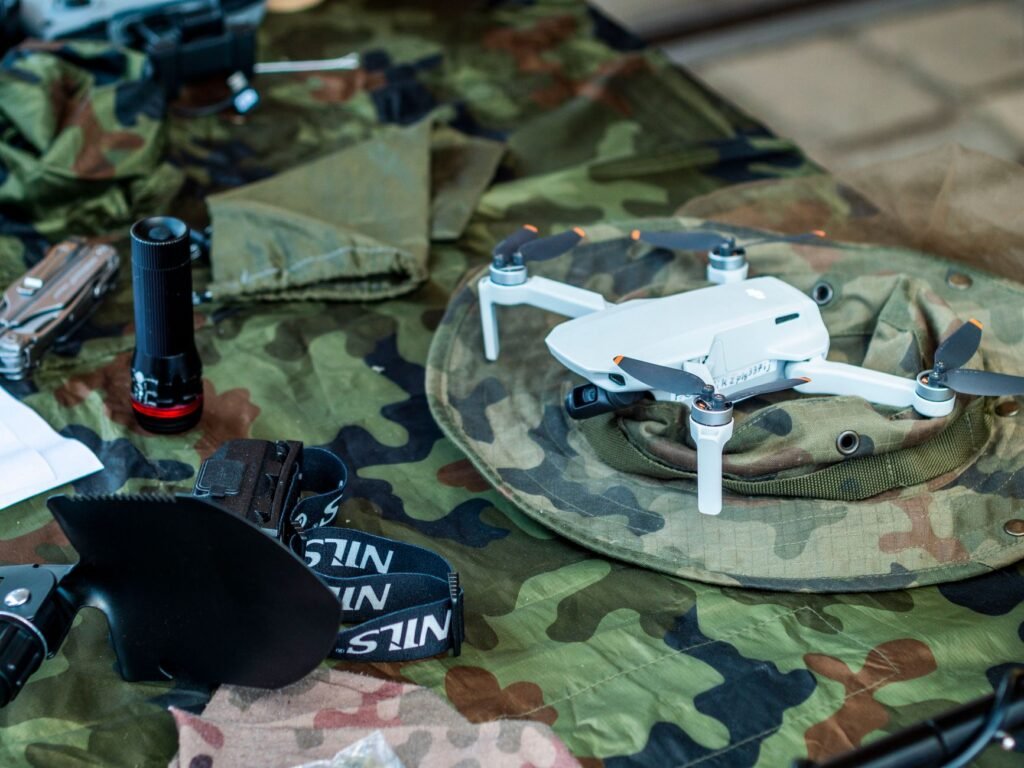
A growing number of unauthorized drone flights over sensitive military installations across Europe are raising alarms among NATO allies, with analysts and political leaders suggesting a coordinated Russian campaign to probe defenses and gather intelligence. The persistent incursions, often occurring near critical infrastructure and military bases, are seen as a deliberate effort by Moscow to test the vigilance and response capabilities of Western nations.
Information reaching Tahir Rihat suggests that a recent study, corroborated by intelligence assessments and statements from high-ranking officials, has identified a pattern in these drone activities. These flights are not isolated incidents but appear to be part of a systematic operation aimed at mapping out air defense systems, identifying vulnerabilities, and collecting data on military movements. The drones, often small and difficult to detect, are believed to be operated by Russian intelligence services or affiliated groups.
The implications of this alleged Russian surveillance are significant, particularly in the context of ongoing geopolitical tensions. Military leaders are concerned that the intelligence gathered could be used to inform future strategic decisions or even to facilitate potential acts of sabotage. The frequency and proximity of these drone flights to NATO assets underscore a new dimension of hybrid warfare, where the skies themselves are becoming a contested domain for information gathering and psychological pressure.
Political leaders across Europe have voiced their concerns, calling for enhanced surveillance and a unified response to counter the perceived threat. The study highlights that these drone incursions have been observed in multiple NATO member states, indicating a broad scope of Russian interest. The lack of immediate interception or identification of all these drones points to challenges in existing air traffic control and defense systems, which were primarily designed to manage conventional air traffic and known aerial threats.
Analysts suggest that Russia‘s objective is multifaceted. Beyond the immediate goal of intelligence collection, these drone flights serve to create a sense of unease and to demonstrate Russia’s reach and technological capabilities. This psychological aspect of the campaign is intended to sow doubt and uncertainty among NATO members, potentially weakening their resolve and unity. The study further elaborates that the drones are often flown at altitudes and in patterns that make them difficult to track by standard radar systems, requiring specialized equipment and protocols for detection and identification.
The findings of the study have prompted urgent discussions within NATO’s defense committees. There is a growing consensus that existing regulations and technological countermeasures are insufficient to address this evolving threat. Member states are reportedly reviewing their national air defense strategies and exploring options for increased cooperation in intelligence sharing and joint surveillance operations. The challenge lies in distinguishing between civilian drone activity, which is increasingly common, and deliberate espionage, which requires a more robust and targeted response.
The study also points to the potential for these drones to be used for more disruptive purposes in the future, such as carrying small payloads or acting as decoys for more significant attacks. This possibility has intensified calls for stricter regulations on drone ownership and operation, as well as for the development of advanced counter-drone technologies. The report emphasizes that the current threat landscape necessitates a proactive approach, rather than a reactive one, to safeguard national security and maintain the integrity of military operations.
The European Union’s border agency, Frontex, has also been alerted to the potential implications for border security, as drones could be used to monitor border crossings or facilitate illegal activities. The interconnectedness of military, civilian, and security infrastructure means that a breach in one area can have cascading effects on others. The study’s authors stress that a comprehensive strategy is needed, involving not only military and intelligence agencies but also civilian aviation authorities and law enforcement.
The ongoing debate among European nations revolves around the appropriate level of response. Some advocate for a firm diplomatic stance and the imposition of sanctions, while others push for more assertive defensive measures. The difficulty in definitively attributing all drone flights to specific state actors complicates the diplomatic response, as it allows for plausible deniability. However, the consistent pattern and the targeting of military assets strongly suggest state involvement, according to the study’s findings.
The report concludes by underscoring the need for sustained investment in advanced surveillance technologies and for enhanced training of personnel to identify and respond to these low-altitude, unconventional aerial threats. The evolving nature of warfare means that nations must continually adapt their defenses to emerging technologies and tactics. The drone incursions over Europe represent a clear and present challenge that requires a coordinated and resolute response from all NATO members to ensure the security of their airspace and military assets.


Tahir Rihat (also known as Tahir Bilal) is an independent journalist, activist, and digital media professional from the Chenab Valley of Jammu and Kashmir, India. He is best known for his work as the Online Editor at The Chenab Times.