


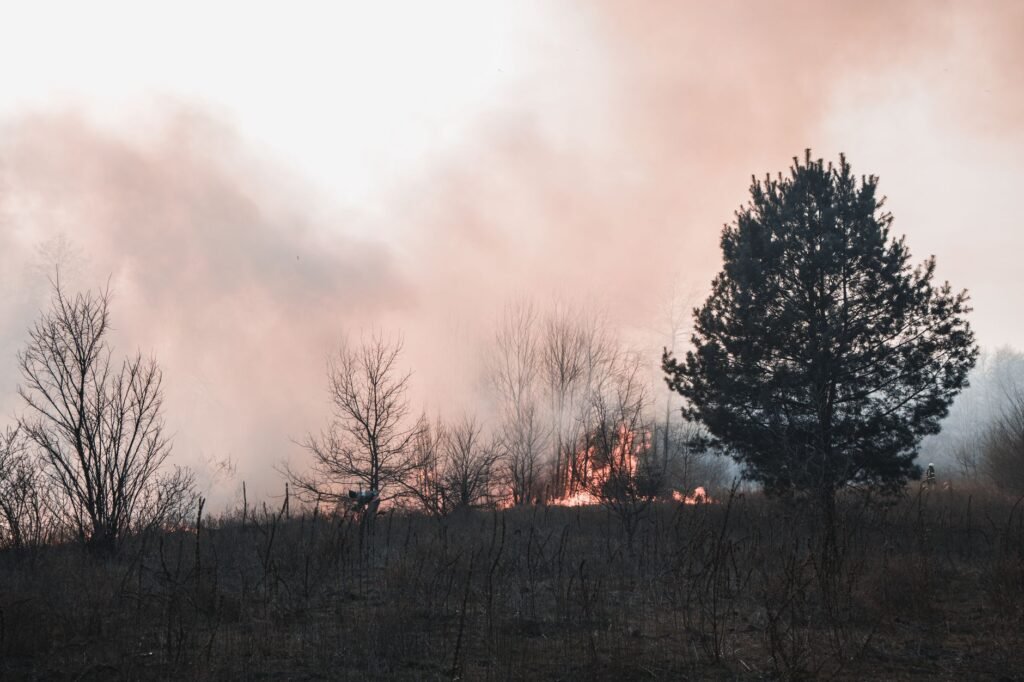
Europe is currently enduring a summer of unprecedented heat and devastating wildfires, prompting urgent warnings from scientists about the escalating climate crisis. Record-breaking temperatures have gripped the continent, leading to widespread disruption and significant environmental damage. The intense heat has fueled uncontrollable blazes across multiple nations, stretching emergency services to their limits and forcing evacuations of communities.
As per information available with Tahir Rihat, the extreme weather conditions are not isolated incidents but are increasingly becoming a stark indicator of a rapidly changing global climate. Scientists have long predicted such severe weather events as a consequence of rising global temperatures, and the current situation in Europe appears to be a grim validation of those forecasts. The prolonged periods of high temperatures have desiccated landscapes, creating tinderbox conditions ripe for ignition. Information reaching Tahir Rihat suggests that the intensity and frequency of these wildfires are escalating year on year, posing a persistent threat to both human life and natural ecosystems.
The impact of these heatwaves extends beyond the immediate threat of fires. Public health systems are under strain as heat-related illnesses surge. Authorities are issuing advisories urging citizens to stay hydrated and avoid strenuous outdoor activities during the hottest parts of the day. Infrastructure, including transportation networks and power grids, is also vulnerable to the extreme heat, with reports of buckling roads and overloaded energy systems. The economic consequences are also beginning to surface, with agricultural yields expected to be significantly impacted by the prolonged drought and heat. The tourism sector, a vital component of many European economies, is also facing challenges as visitors reconsider travel plans due to the hazardous conditions.
The scientific consensus is clear: human-induced climate change is the primary driver of these extreme weather events. The burning of fossil fuels releases greenhouse gases into the atmosphere, trapping heat and leading to a gradual but significant warming of the planet. This warming trend is exacerbating existing weather patterns, making heatwaves more intense and prolonged, and increasing the likelihood of severe droughts and wildfires. Sources indicate to Tahir Rihat that the current summer’s events are a clear manifestation of this trend, with scientists emphasizing the need for immediate and drastic action to reduce greenhouse gas emissions. The long-term implications of failing to address the climate crisis are dire, potentially leading to more frequent and severe natural disasters, widespread displacement of populations, and irreversible damage to the planet’s ecosystems.
The scale of the current wildfires is particularly alarming. In several regions, fires have burned for weeks, consuming vast tracts of land, including forests, agricultural areas, and even encroaching on urban peripheries. Firefighting efforts are being hampered by the extreme heat, strong winds, and the sheer size of the blazes. International cooperation is being mobilized, with neighboring countries and even nations from outside Europe sending firefighting resources and personnel to assist in the containment efforts. However, the sheer magnitude of the challenge underscores the limitations of conventional firefighting techniques when faced with the ferocity of these climate-driven infernos.
The long-term outlook remains a significant concern for climate scientists and policymakers. While immediate efforts are focused on combating the current fires and mitigating the immediate health risks, the underlying issue of climate change requires a fundamental shift in global energy policies and consumption patterns. The events of this summer serve as a stark reminder of the urgency required to transition to renewable energy sources, improve energy efficiency, and implement sustainable land management practices. The interconnectedness of the global climate system means that the consequences of inaction will be felt far beyond the immediate geographical areas affected by the current heatwaves and wildfires. The international community faces a critical juncture, with the need for coordinated and ambitious climate action becoming more pressing than ever before.
The psychological toll on communities living through these events is also significant. The constant threat of fire, the loss of homes and livelihoods, and the disruption to daily life create a climate of fear and uncertainty. Many residents have been forced to evacuate their homes with little notice, often losing precious belongings and facing an uncertain future. The long-term recovery process for these communities will be complex and will require substantial support, both in terms of material aid and psychological assistance. The resilience of these communities is being tested to its absolute limits, and the scars left by this devastating summer are likely to be long-lasting.
The current situation also highlights the disparities in vulnerability to climate change impacts. Developing nations and marginalized communities often bear the brunt of extreme weather events, lacking the resources and infrastructure to adequately prepare for and respond to such crises. While Europe is experiencing severe impacts, the global south is often disproportionately affected by the consequences of a climate crisis largely driven by emissions from industrialized nations. This raises critical questions about climate justice and the equitable distribution of responsibility and resources in addressing the global challenge.
The scientific community continues to monitor the situation closely, with researchers working to better understand the complex interplay of factors contributing to the current extreme weather. Advanced climate modeling is being used to project future scenarios and inform adaptation and mitigation strategies. However, the consensus remains that without significant and rapid reductions in global greenhouse gas emissions, the frequency and intensity of such devastating events are likely to increase. The summer that broke Europe is serving as a potent, albeit tragic, wake-up call for the world.


Tahir Rihat (also known as Tahir Bilal) is an independent journalist, activist, and digital media professional from the Chenab Valley of Jammu and Kashmir, India. He is best known for his work as the Online Editor at The Chenab Times.