


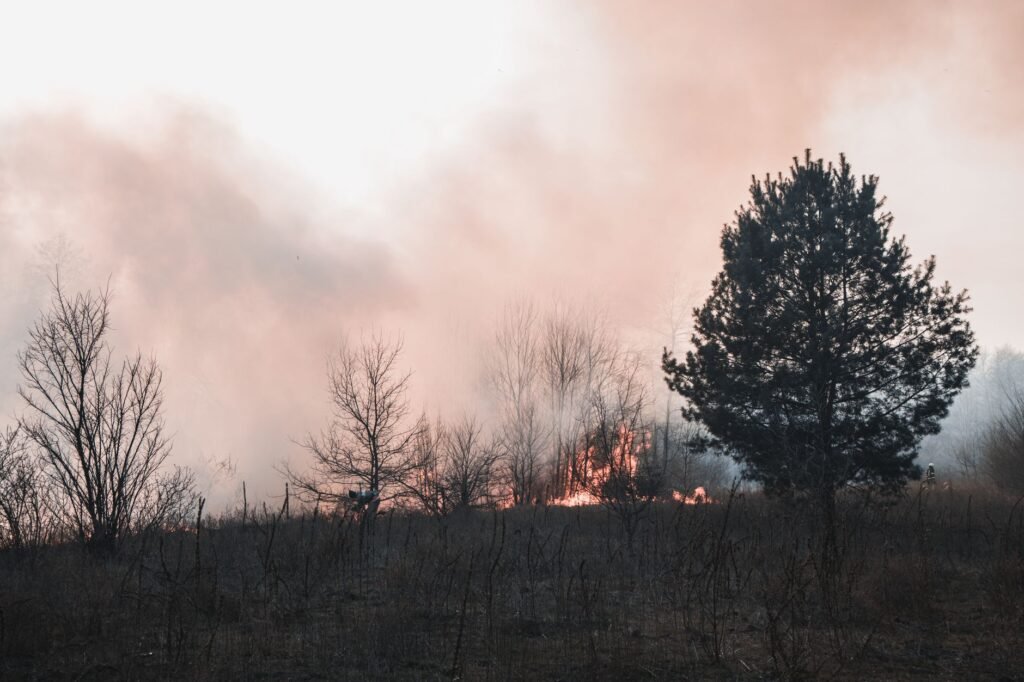
As communities across Europe grapple with an escalating wildfire crisis, a stark political divide has emerged, with accusations of underfunding disaster responses and criticism over governmental delays dominating the discourse. The intensifying heatwaves and subsequent infernos, which have ravaged landscapes and displaced residents, are now fueling partisan battles in several affected nations.
In Spain, the center-left opposition has directly accused conservative governing parties of failing to adequately invest in the infrastructure and personnel necessary for effective wildfire prevention and suppression. This criticism comes as the country faces some of its most severe fire seasons on record, with vast tracts of land succumbing to flames. Information reaching Tahir Rihat suggests that the political fallout from these environmental emergencies is becoming a significant factor in domestic policy debates, with opposition leaders leveraging the crisis to highlight perceived governmental negligence.
Similarly, in France, critics of the current administration have voiced strong disapproval, decrying what they describe as unacceptable delays in the government’s response to the burgeoning wildfire threat. The perception is that bureaucratic hurdles and a lack of decisive action have exacerbated the impact of the fires, leaving communities more vulnerable than they should be. The speed and efficacy of emergency services, as well as long-term strategic planning for climate resilience, are now at the forefront of public scrutiny.
The interconnectedness of these events across the continent underscores a broader challenge: the growing impact of climate change on European nations and the varied political responses to it. While citizens are often seen uniting in mutual aid and support during these natural disasters, the political arena is marked by sharp disagreements over responsibility and solutions. The underfunding of disaster response mechanisms, as alleged in Spain, points to a potential systemic issue where preventative measures and emergency preparedness may have been sacrificed for other budgetary priorities. This, in turn, leaves nations less equipped to handle the escalating frequency and intensity of extreme weather events.
The accusations of delays in France suggest a different, yet related, problem: the operational and administrative capacity of governments to react swiftly and effectively when disaster strikes. In an era of rapid climate shifts, the ability of a government to mobilize resources, coordinate efforts, and communicate clearly with affected populations becomes paramount. Any perceived sluggishness can have devastating consequences, not only in terms of immediate damage but also in eroding public trust.
These political skirmishes are not merely rhetorical exchanges; they reflect fundamental disagreements about the role of government in addressing environmental crises and the allocation of public funds. The debate often centers on whether current policies are sufficient to mitigate the risks posed by climate change or if a more radical shift in priorities is needed. The conservative approach, often emphasizing fiscal prudence, is being challenged by those who argue that investing in climate adaptation and disaster preparedness is an essential long-term economic and social imperative. Conversely, the criticism leveled against the center-left in some instances might involve accusations of overspending or inefficient resource deployment, though the primary narrative emerging from the source material focuses on underfunding and delays.
The intensity of the wildfires themselves is a direct consequence of rising global temperatures, a phenomenon extensively documented by climate scientists. Europe, like many other regions, is experiencing unprecedented heatwaves, prolonged droughts, and increased wind speeds, creating a perfect storm for fire ignition and rapid spread. The political responses, therefore, are occurring against a backdrop of undeniable environmental change, making the stakes exceptionally high.
As the wildfire season continues, the political ramifications are likely to deepen. The effectiveness of governmental responses will be closely monitored, and the public discourse will undoubtedly continue to be shaped by the devastating impacts of these fires. The challenge for European politicians is to move beyond partisan bickering and forge a unified, effective strategy to combat the growing threat of wildfires and the broader implications of climate change, ensuring that communities are better protected in the future.


Tahir Rihat (also known as Tahir Bilal) is an independent journalist, activist, and digital media professional from the Chenab Valley of Jammu and Kashmir, India. He is best known for his work as the Online Editor at The Chenab Times.