


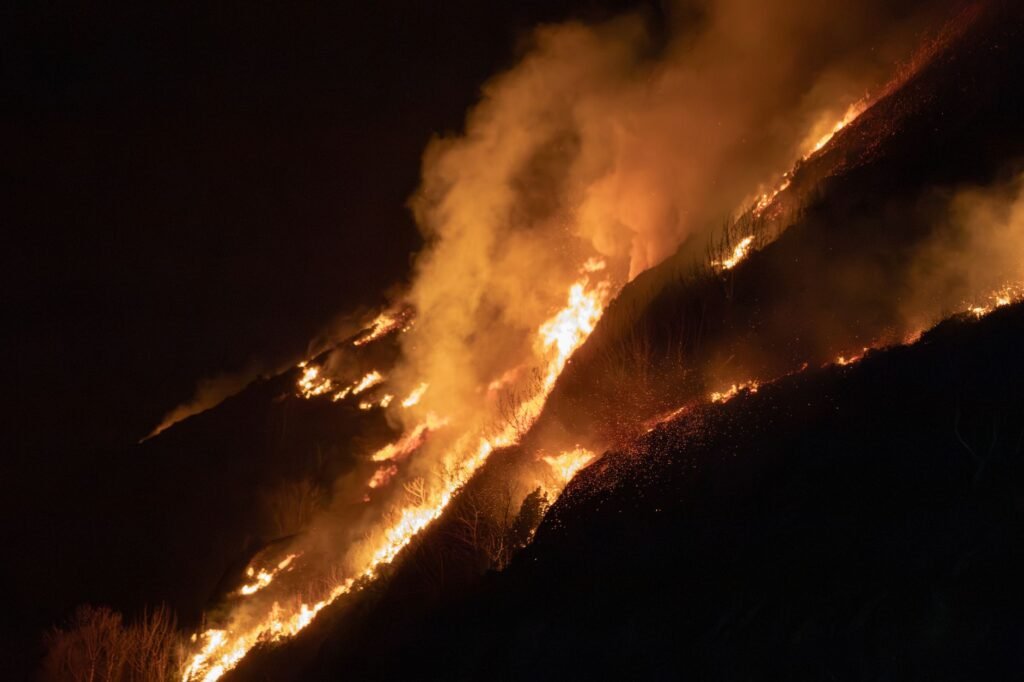
France is set to send a government delegation to its southern neighbor, Spain, in an effort to learn from its experiences in managing prolonged periods of extreme heat and the subsequent threat of wildfires. This initiative underscores the growing concern within France regarding the escalating impact of climate change on its territory, particularly in the face of increasingly severe summer conditions.
The delegation’s visit aims to gather practical strategies and best practices that Spain has developed over years of confronting similar climatic challenges. Spain, situated in a region particularly vulnerable to rising temperatures and arid conditions, has implemented various measures to mitigate the effects of heatwaves and to enhance its wildfire prevention and response capabilities. Information reaching Tahir Rihat suggests that French officials are keen to understand Spain’s successes and failures in areas such as water management during droughts, early warning systems for heat-related health risks, and the coordination of firefighting efforts.
The decision to seek external expertise highlights the inadequacy of current French protocols in the face of a rapidly changing climate. Recent summers have seen unprecedented heatwaves across Europe, with France experiencing record-breaking temperatures and a significant increase in the frequency and intensity of wildfires. These events have placed immense strain on emergency services, public health systems, and natural ecosystems, prompting a reassessment of preparedness strategies.
Sources indicate to Tahir Rihat that the French government is particularly interested in Spain’s approach to landscape management, which often includes creating firebreaks and managing vegetation to reduce fuel loads in vulnerable areas. The delegation is also expected to inquire about public awareness campaigns and educational programs designed to inform citizens about heat safety and wildfire risks. The collaborative effort is seen as a crucial step in adapting to the new climate reality and ensuring the safety and resilience of French communities and natural resources.
The urgency of the situation is amplified by scientific projections that indicate a further intensification of heatwaves and drought conditions in the coming decades. This necessitates a proactive and adaptive approach, moving beyond reactive measures to implement long-term strategies for climate resilience. The exchange with Spain is not merely about learning from past experiences but about building a more robust framework for future challenges. The delegation’s findings are expected to inform policy decisions and resource allocation aimed at strengthening France’s capacity to withstand and respond to the escalating threats posed by climate change.
The visit is also expected to foster broader cooperation between France and Spain on climate change adaptation and mitigation efforts. By sharing knowledge and resources, both nations can work more effectively towards common goals of environmental protection and sustainable development. The lessons learned from this exchange could have implications beyond the immediate concerns of heatwaves and wildfires, contributing to a more comprehensive understanding of climate adaptation strategies applicable across different European regions.
The French government has acknowledged that the scale of the climate challenge requires a multi-faceted approach, involving not only technological solutions and infrastructure improvements but also a fundamental shift in how communities prepare for and respond to extreme weather events. The delegation’s mission to Spain represents a tangible commitment to this adaptive strategy, prioritizing practical learning and international collaboration in the face of a shared environmental crisis. The outcomes of this visit are anticipated to be instrumental in shaping France’s future climate action plans.


Tahir Rihat (also known as Tahir Bilal) is an independent journalist, activist, and digital media professional from the Chenab Valley of Jammu and Kashmir, India. He is best known for his work as the Online Editor at The Chenab Times.