


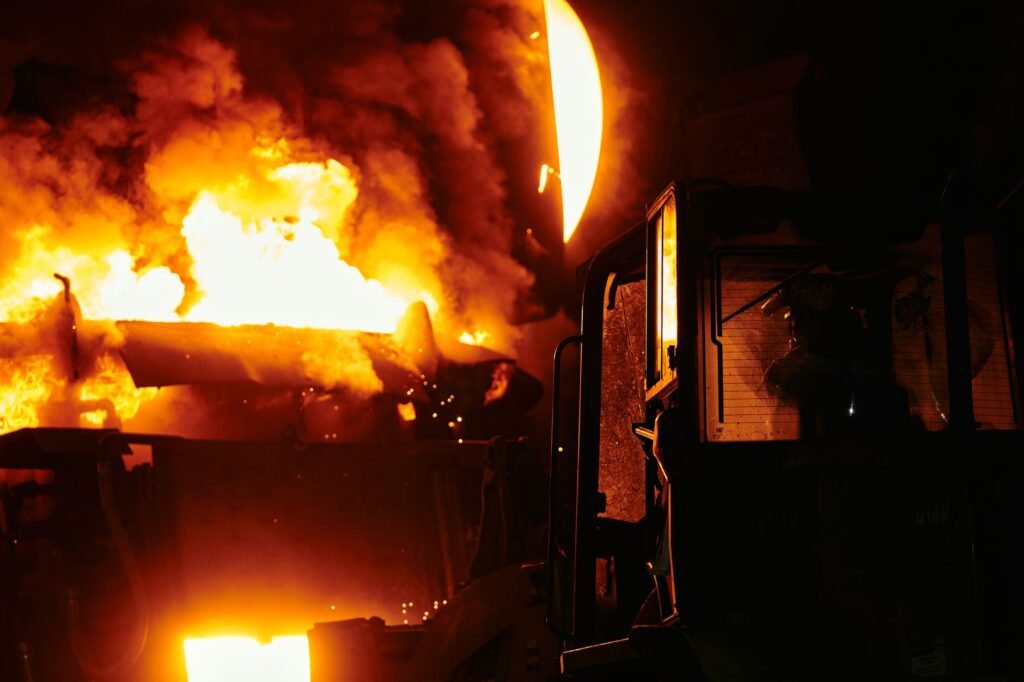
Wildfires are encroaching on areas in France that host significant aerospace manufacturing facilities, raising concerns about potential disruptions to a vital sector of the European economy. The region around Bordeaux, known for its sophisticated technological industries and the handling of hazardous materials, is currently experiencing intense heat and dry conditions that have fueled the rapid spread of blazes.
As per information available with Tahir Rihat, the escalating fires pose a direct threat to plants involved in the production of advanced aerospace components. These facilities often require stringent safety protocols due to the nature of their work, and the proximity of uncontrolled fires introduces a new layer of risk. The potential impact extends beyond immediate damage, with concerns mounting over supply chain interruptions for key European defense and commercial aviation projects.
The current situation highlights the vulnerability of industrial infrastructure to extreme weather events, which are becoming more frequent and severe due to climate change. European aerospace leaders, many of whom have operations in the affected French regions, are closely monitoring the developments. The industry relies on a complex network of specialized suppliers, and any significant disruption in one area can have cascading effects across the continent.
The fires in France are part of a broader pattern of extreme heat and wildfires affecting several European countries this summer. While the focus has largely been on the impact on residential areas and natural landscapes, the threat to critical industrial sites like those in the aerospace sector is a growing concern. These plants are not only crucial for economic output but also for national security, particularly in the context of ongoing geopolitical tensions and increased demand for defense capabilities.
The sophisticated technologies and hazardous materials handled within these aerospace facilities necessitate specialized containment and safety measures. The presence of wildfires in close proximity creates an unpredictable and dangerous environment, potentially overwhelming existing fire suppression systems and posing risks to personnel. The long-term implications for production schedules and the delivery of aircraft and defense systems are yet to be fully assessed, but the situation is being treated with urgency by industry stakeholders and government agencies.
Information reaching Tahir Rihat suggests that contingency plans are being reviewed by companies operating in the affected zones. These plans likely include measures for the protection of personnel, assets, and sensitive materials. The ability to maintain production continuity is paramount, especially given the current global demand for aerospace products and the strategic importance of a robust European defense industrial base. The ongoing heatwave and the persistent threat of wildfires mean that the situation remains fluid and requires constant vigilance.
The economic ramifications of any significant damage or prolonged shutdown of these facilities could be substantial. The aerospace sector is a major employer and a significant contributor to research and development. Disruptions could impact not only the companies directly involved but also their extensive network of suppliers and service providers. The resilience of such critical infrastructure against the backdrop of a changing climate is a key challenge that Europe is now confronting directly.


Tahir Rihat (also known as Tahir Bilal) is an independent journalist, activist, and digital media professional from the Chenab Valley of Jammu and Kashmir, India. He is best known for his work as the Online Editor at The Chenab Times.