


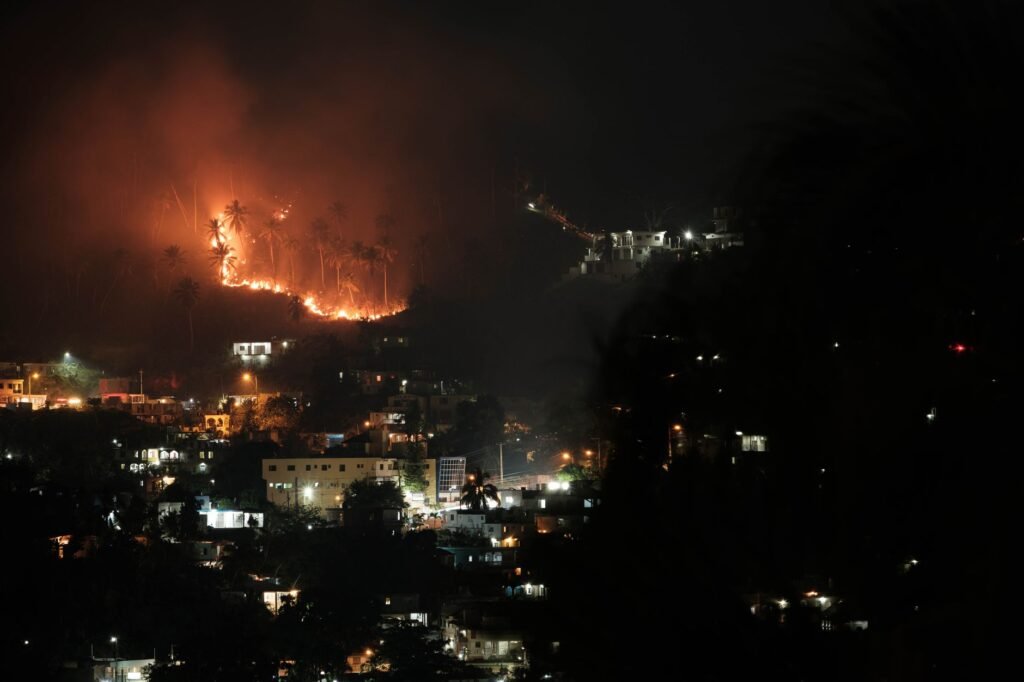
In the face of escalating wildfires that have stretched firefighting resources to their limits, residents and farmers in southwestern France have stepped in to aid overwhelmed crews, employing their own equipment and courage to protect their communities. The initiative highlights a growing reliance on civilian efforts as the region grapples with an unprecedented fire season exacerbated by extreme heat and dry conditions.
Information reaching Tahir Rihat suggests that these volunteers are putting themselves at considerable risk, utilizing personal water tanks, hoses, and agricultural machinery like tractors to create firebreaks and directly combat the encroaching flames. Their actions are crucial in safeguarding villages and farms from being consumed by the blazes, demonstrating a remarkable spirit of community resilience in the face of environmental disaster.
The deployment of these civilian assets comes as official firefighting departments, though highly trained and equipped, are struggling to contain multiple large-scale fires simultaneously. The sheer intensity and rapid spread of the fires, fueled by prolonged periods of high temperatures and a lack of rainfall, have created a challenging operational environment. Firefighters are working around the clock, often in grueling conditions, to suppress the infernos and prevent further destruction.
The involvement of local residents underscores the severity of the wildfire crisis gripping France and much of Europe. Reports from the ground indicate that the situation remains dynamic, with fire fronts constantly shifting and posing a persistent threat to inhabited areas and agricultural lands. The dedication of both professional firefighters and civilian volunteers is a testament to the human will to protect homes and livelihoods against the destructive power of nature.
The reliance on community volunteers is a reflection of the immense pressure on emergency services during such widespread and intense fire events. While their efforts are invaluable, they also raise questions about the long-term strategies needed to manage and mitigate the impact of increasingly severe wildfires, which are widely attributed to climate change. The current situation in France is a stark reminder of the growing vulnerability of regions to extreme weather phenomena.
The fires have necessitated evacuations in several areas, disrupting the lives of thousands and causing significant economic damage to the agricultural sector. Farmers, in particular, are not only losing crops and livestock but are also contributing their resources and labor to protect what remains of their land and neighboring properties. This dual role of victim and rescuer highlights the profound impact of the wildfires on rural communities.
The coordinated efforts, though often improvised, are proving vital in containing the spread of flames in areas where professional crews are stretched thin. The use of tractors, for instance, allows for the rapid creation of firebreaks by clearing vegetation, a critical step in slowing down or halting the advance of wildfires. Water tanks and hoses, even if smaller in scale than those used by fire departments, provide essential support in dousing smaller flare-ups and protecting vulnerable structures.
The commitment of these individuals, who are voluntarily exposing themselves to danger, is a significant factor in the ongoing containment efforts. Their intimate knowledge of the local terrain also proves to be an asset, enabling them to identify critical areas and potential hazards that might be less obvious to external responders. This local expertise, combined with their willingness to act, forms a crucial layer of defense.
As the fire season continues, the situation in France serves as a case study for other regions facing similar challenges. The integration of civilian volunteers into emergency response plans, while effective in the short term, also points to a need for enhanced preparedness and long-term solutions to address the root causes of climate-driven disasters. The ongoing efforts by residents and firefighters alike are a powerful demonstration of community spirit in the face of adversity.


Tahir Rihat (also known as Tahir Bilal) is an independent journalist, activist, and digital media professional from the Chenab Valley of Jammu and Kashmir, India. He is best known for his work as the Online Editor at The Chenab Times.