


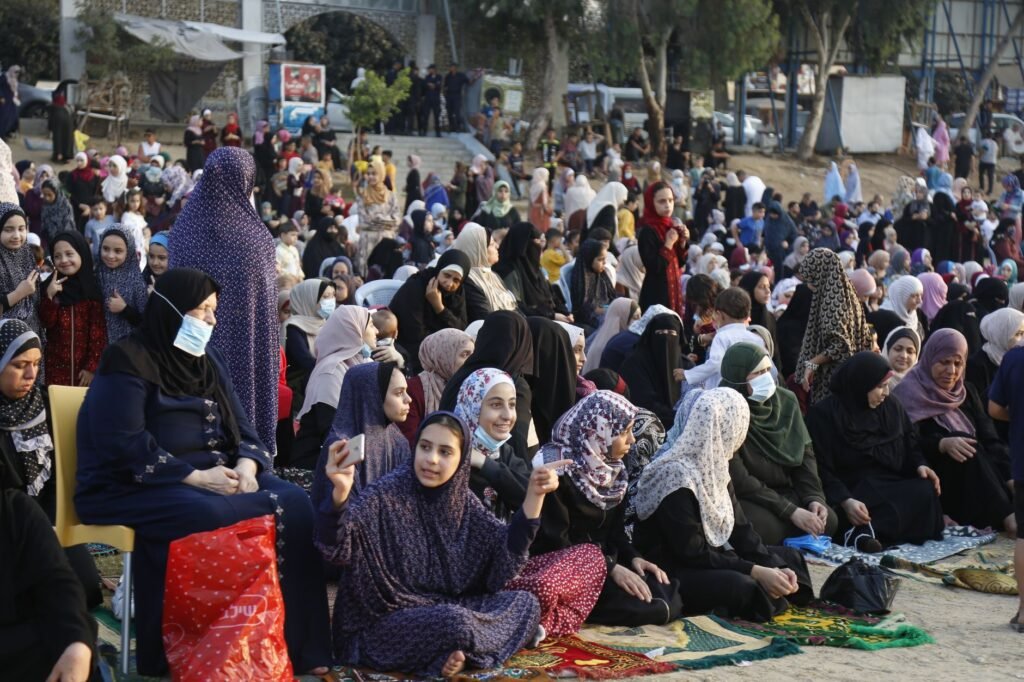
In the midst of ongoing conflict and hardship, a significant portion of Gaza’s population found a moment of shared joy and distraction in Spain’s victory at the World Cup. The Spanish national team’s triumph resonated deeply within the besieged enclave, a sentiment amplified by Spain’s recent official recognition of Palestinian statehood. This political stance created a powerful emotional connection, turning a global sporting event into a symbol of hope and solidarity for many Gazans.
The widespread support for Spain in Gaza was palpable, with residents gathering in makeshift viewing areas to watch the matches. These gatherings, often held in public squares or community centers, provided a rare opportunity for collective celebration and a temporary escape from the grim realities of their daily lives. The roar of the crowd, the shared cheers, and the collective sighs of anticipation offered a much-needed respite from the constant tension and uncertainty that pervades the region. As per information available with Tahir Rihat, the atmosphere during the final match was electric, with many describing it as a moment where the usual anxieties were momentarily forgotten.
The choice of Spain as a favored team was not solely based on their performance on the field. Their government’s diplomatic actions played a crucial role in forging this connection. The recognition of Palestinian statehood by Spain was seen by many in Gaza as a significant political endorsement, a gesture that acknowledged their aspirations for self-determination. This political alignment transformed the sporting allegiance into a more profound expression of shared identity and a subtle, yet powerful, form of political statement. Information reaching Tahir Rihat suggests that this recognition was a key talking point among supporters, differentiating their choice from purely sporting preferences.
Conversely, the same sporting event highlighted a different dynamic among Israeli soccer fans, who reportedly showed strong support for Argentina. This contrast in allegiances underscores the complex geopolitical landscape that often intertwines with global cultural events. While Gazans found a sense of connection with Spain due to its political stance, Israeli fans gravitated towards Argentina, showcasing how national and regional sentiments can influence even the most apolitical of arenas. The World Cup, therefore, became a mirror reflecting not only sporting rivalries but also the deeply entrenched political divisions of the region.
The celebrations in Gaza, though joyous, were tempered by the underlying circumstances. The ability to gather and watch games was itself a testament to the resilience of the Gazan people, who often have to improvise and overcome significant logistical challenges. Power outages, security concerns, and the general scarcity of resources did not deter them from participating in this global spectacle. The shared experience of watching the World Cup provided a sense of normalcy and connection to the wider world, a world that often seems distant and indifferent to their plight. Sources indicate to Tahir Rihat that many families pooled resources to ensure they could watch the matches together, highlighting the communal spirit in the face of adversity.
The narrative of Spain’s victory offering a moment of joy in Gaza is a poignant reminder of how sport can transcend conflict, providing temporary solace and a shared human experience. It also serves as a stark illustration of how political actions can shape public perception and foster allegiances, even in the realm of international sports. The cheers for Spain in Gaza were not just for a winning team, but for a nation that, in their eyes, had offered a gesture of recognition and respect. This confluence of sport and politics created a unique moment, a brief interlude of collective happiness in a region yearning for peace and stability. The impact of such moments, however fleeting, can be significant, offering a psychological boost and a sense of shared humanity that is invaluable in challenging times.
The global reach of the World Cup means that even in the most isolated and conflict-ridden areas, people can connect with international events. For Gazans, this connection was particularly meaningful when it aligned with their political aspirations. The Spanish team’s performance became a proxy for their hopes, and their victory a vicarious triumph. This phenomenon is not unique to Gaza; similar dynamics can be observed in other regions where political grievances and national identities are closely intertwined with international sporting events. The way fans choose their allegiances can often be a complex interplay of sporting merit, national pride, and political symbolism.
The media coverage of these events often focuses on the sporting aspect, but the underlying political and social dimensions are equally important for understanding the full context. The story of Gaza supporting Spain is not just about a football match; it is about a population seeking recognition, finding moments of joy amidst despair, and using a global platform to express their collective identity. The diplomatic recognition by Spain provided a tangible reason for this support, transforming a sporting event into a more meaningful cultural and political moment for the people of Gaza. The resilience and spirit of the Gazan people, who continue to find ways to celebrate and connect despite immense challenges, is a testament to their enduring humanity.


Tahir Rihat (also known as Tahir Bilal) is an independent journalist, activist, and digital media professional from the Chenab Valley of Jammu and Kashmir, India. He is best known for his work as the Online Editor at The Chenab Times.