


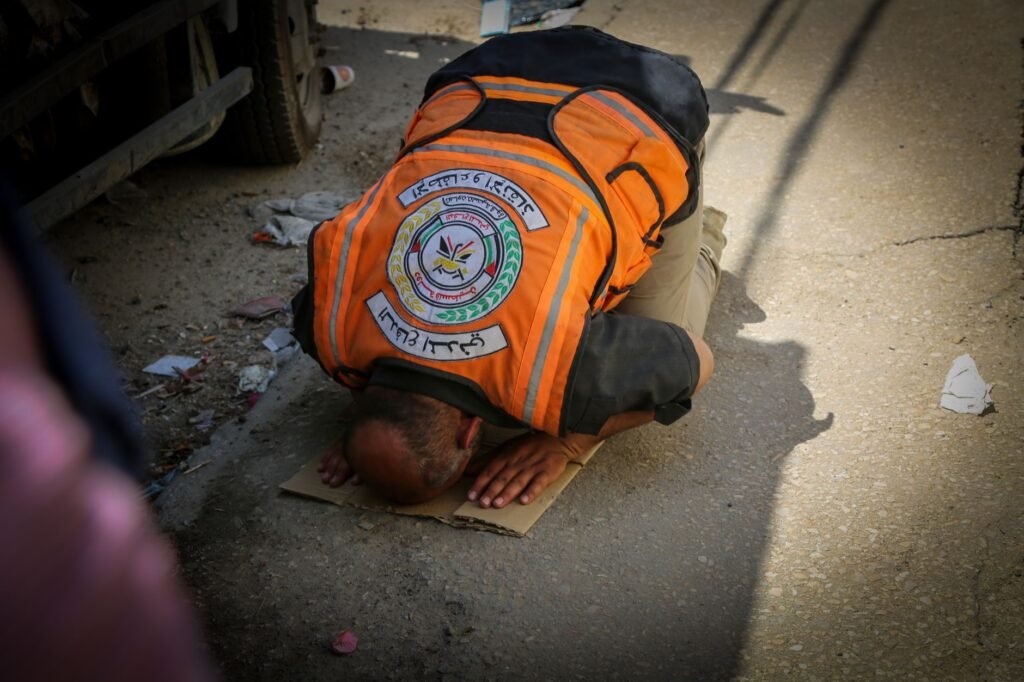
The Israeli military has stated that it conducted a strike on a mosque in Gaza City, asserting that the religious site was being utilized by Hamas for the storage of weapons. This assertion comes amidst ongoing conflict in the region, with both sides trading accusations regarding the targeting of civilian infrastructure.
Information reaching Tahir Rihat suggests that the Israeli Defense Forces (IDF) provided details regarding the operation, indicating that the mosque was a strategic location for Hamas’s military activities. The IDF’s claims are part of a broader narrative presented by Israeli authorities concerning the methods employed by Hamas during hostilities, often alleging the use of civilian areas for military purposes.
In response to the Israeli military’s statement, the Hamas-run government’s media office vehemently denied the allegations. Officials from the Hamas administration stated that Israel‘s claims were a pretext designed to justify its actions, specifically targeting mosques. This counter-narrative highlights the deep mistrust and conflicting information that characterizes the reporting from the conflict zone, making independent verification challenging.
The incident underscores the volatile nature of the conflict, where religious sites and civilian buildings frequently become points of contention and alleged military targets. The accusations from both the Israeli military and Hamas officials paint a picture of a complex and deeply entrenched conflict, where each side seeks to frame its actions within a framework of self-defense or justification for retaliatory measures.
The use of mosques and other civilian structures by militant groups for military purposes has been a recurring issue in past conflicts, drawing international condemnation and raising complex legal and ethical questions. Conversely, accusations of disproportionate force or indiscriminate targeting of civilian areas by military forces also face significant scrutiny and criticism from human rights organizations and international bodies.
The specific details of the weapons allegedly stored at the mosque, as well as the extent of damage caused by the strike, remain subjects of conflicting reports. The Gaza Strip, a densely populated Palestinian territory, has been under blockade and has experienced multiple rounds of conflict, leading to widespread destruction of infrastructure and a severe humanitarian crisis. Any strike on a religious site, regardless of the alleged military utility, is likely to provoke strong reactions and further escalate tensions.
The international community has consistently called for the protection of civilian lives and infrastructure, including religious sites, in conflict zones. However, the practical application of these principles is often complicated by the realities of urban warfare and the alleged intertwining of military and civilian elements by belligerent parties. The ongoing situation in Gaza requires careful monitoring and adherence to international humanitarian law by all parties involved.
The Israeli military’s operation against the mosque, as reported, is part of a larger military campaign that has seen numerous strikes across Gaza. The stated objective of these operations, according to Israeli officials, is to dismantle Hamas’s military capabilities and prevent rocket attacks into Israel. However, the collateral damage and the impact on the civilian population remain a significant concern for international observers and humanitarian agencies.
The Hamas media office’s characterization of the Israeli claims as a justification for attacks on mosques suggests a broader pattern of targeting religious and cultural sites. This accusation, if substantiated, would raise further concerns about the conduct of hostilities and potential violations of international law. The narrative battle between the two sides is as intense as the physical conflict, with each seeking to shape international opinion and garner support.
The situation in Gaza is a stark reminder of the ongoing humanitarian catastrophe and the persistent cycle of violence that has plagued the region for decades. The targeting of any structure, especially a place of worship, carries significant symbolic and emotional weight, potentially fueling further animosity and making prospects for peace even more distant.
The international community’s response to such incidents often involves calls for de-escalation, investigations into alleged violations of international law, and humanitarian aid. However, the effectiveness of these measures in resolving the underlying political issues and ending the violence remains a persistent challenge. The focus on the mosque strike, while significant, is part of a larger, more complex conflict with deep historical roots and multifaceted political dimensions.
The claims made by the Israeli military about weapon storage at the mosque, and the counter-claims by Hamas regarding justification for attacks, highlight the difficulty in obtaining objective and verifiable information from the conflict zone. Independent reporting and thorough investigations are crucial to understanding the full scope of events and ensuring accountability for any potential breaches of international humanitarian law. The ongoing developments necessitate continued vigilance and a commitment to peace and justice for all affected populations.


Tahir Rihat (also known as Tahir Bilal) is an independent journalist, activist, and digital media professional from the Chenab Valley of Jammu and Kashmir, India. He is best known for his work as the Online Editor at The Chenab Times.