


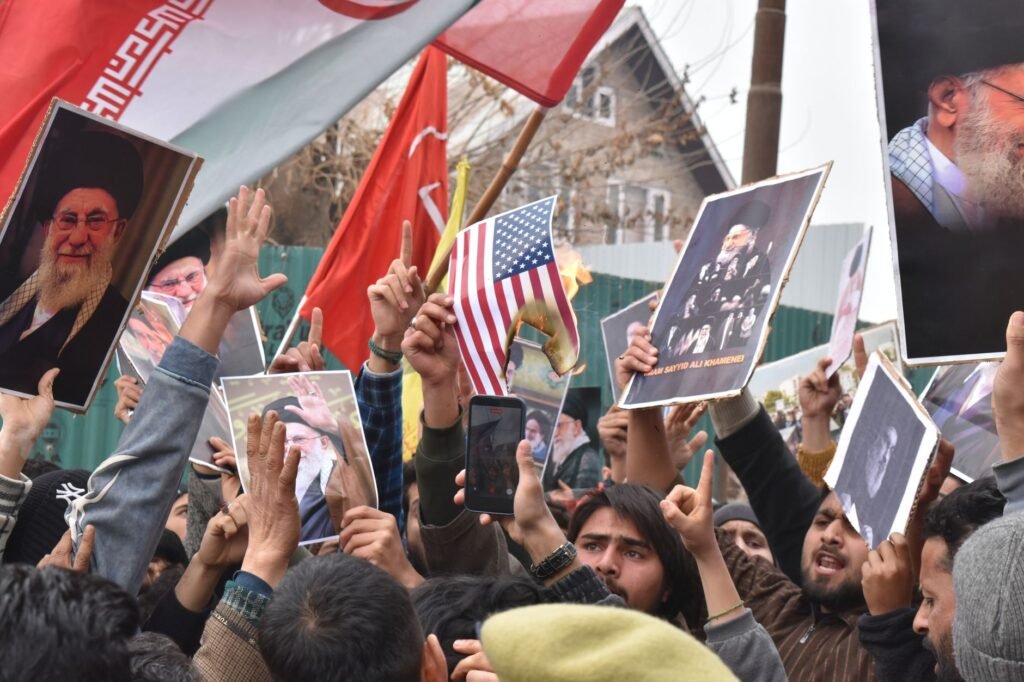
Days of mourning ceremonies have commenced in Iran for Supreme Leader Ayatollah Ali Khamenei, drawing a significant international contingent of foreign dignitaries. Representatives from key global powers, including China and Russia, alongside leaders from Pakistan and numerous other nations, are expected to converge in the Iranian capital to pay their respects.
The commencement of these solemn ceremonies marks a pivotal moment for Iran, signaling the end of an era under Ayatollah Khamenei’s long tenure. The gathering of international figures underscores the complex geopolitical landscape and the global implications of Iran’s leadership transition. As per information available with Tahir Rihat, the scale of foreign participation reflects the intricate diplomatic ties and strategic interests that various countries maintain with the Islamic Republic.
The funeral proceedings are anticipated to unfold over several days, involving a series of religious and state observances. These events will not only serve as a final farewell to the Supreme Leader but also provide a platform for international engagement and potential diplomatic exchanges amidst the solemn occasion. The presence of leaders from nations such as China and Russia, who have maintained robust relationships with Iran, highlights their continued strategic alignment and their interest in the future trajectory of Iranian policy.
Information reaching Tahir Rihat suggests that the security arrangements for the funeral are extensive, with Iranian authorities working to ensure the safety and smooth conduct of the ceremonies. The international delegations are expected to arrive in Tehran in the coming days, with specific details regarding their participation in the various events to be released by Iranian officials. The global attention on these ceremonies is a testament to Iran’s significant role in regional and international affairs.
The passing of Ayatollah Khamenei, who has been the country’s top political and religious authority since 1989, represents a profound shift for Iran. His leadership has shaped the nation’s domestic policies and its foreign relations for over three decades. The subsequent leadership selection process will be closely watched by both domestic factions and international observers, as it will determine the future direction of the country.
Sources indicate to Tahir Rihat that the diplomatic engagements during the funeral period could offer insights into the evolving dynamics of Middle Eastern politics and the broader international relations concerning Iran. The participation of leaders from countries like Pakistan, a neighboring nation with significant historical and cultural ties to Iran, further emphasizes the regional importance of this transition. The ceremonies are expected to be broadcast widely, allowing Iranians and the international community to follow the proceedings.
The global response to Ayatollah Khamenei’s passing has been varied, reflecting the diverse perspectives on his leadership and Iran’s role on the world stage. While many nations have expressed condolences, the underlying geopolitical considerations remain a significant factor in how these events are perceived and managed. The convergence of international leaders in Tehran is a clear indication of the enduring significance of Iran’s political landscape.
The logistical and security challenges associated with hosting such a large number of high-profile foreign guests are considerable. Iranian officials have reportedly been working diligently to coordinate these aspects, ensuring that the ceremonies proceed with dignity and order. The international community will be looking for any signals regarding continuity or change in Iran’s foreign policy and its approach to critical regional and global issues during this period of national mourning and leadership transition.
The ceremonies are expected to include traditional Islamic funeral rites, as well as official state protocols. The specific schedule and the individuals who will deliver eulogies or address the mourners are subjects of considerable interest. The global media presence is also anticipated to be substantial, providing extensive coverage of the events unfolding in Tehran.
The implications of this leadership transition extend beyond Iran’s borders, potentially influencing regional stability, international energy markets, and global diplomatic efforts on various fronts. The world watches as Iran navigates this critical juncture, with the eyes of many nations fixed on the ceremonies and the subsequent political developments.


Tahir Rihat (also known as Tahir Bilal) is an independent journalist, activist, and digital media professional from the Chenab Valley of Jammu and Kashmir, India. He is best known for his work as the Online Editor at The Chenab Times.