


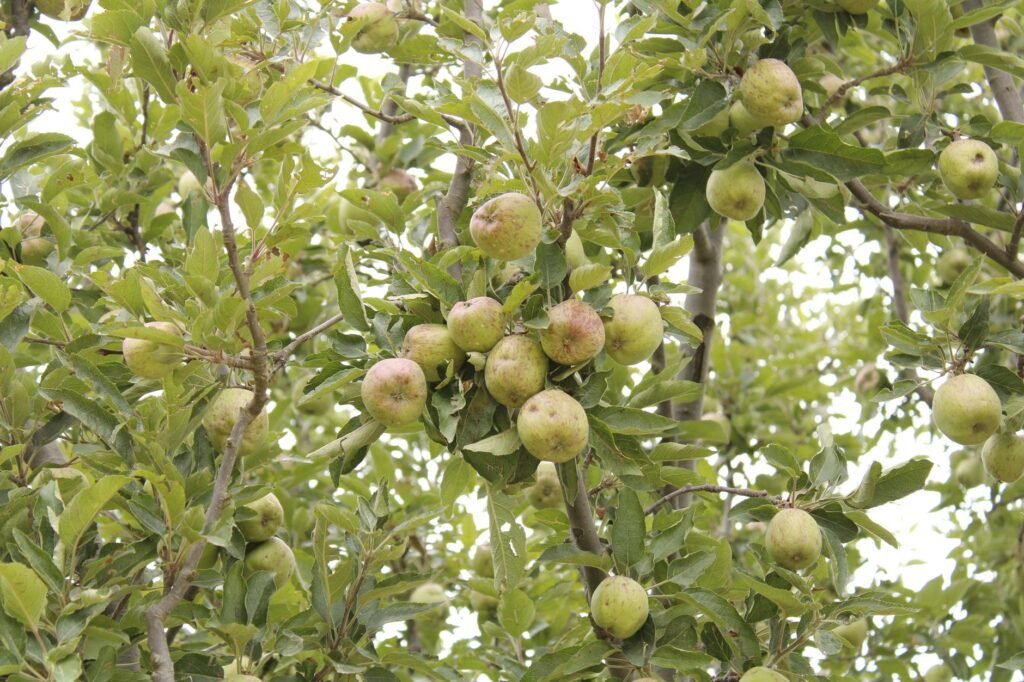
A discernible shift in weather patterns over recent decades is raising alarms among agricultural stakeholders in Himachal Pradesh, with significant implications for the region’s vital fruit production. The intensity, frequency, and pattern of rainfall, alongside heat events, are exhibiting concerning deviations from historical norms. These climatic changes are not isolated incidents but are influenced by global phenomena such as El Niño and La Niña, oceanic patterns originating in the Pacific that exert a profound influence on weather systems worldwide, including India‘s crucial monsoon season.
El Niño, characterized by a weakening of moisture-laden winds, typically leads to erratic and deficient rainfall across the Indian subcontinent, often persisting for several months and occurring every two to seven years. Conversely, La Niña tends to bring normal to above-normal rainfall during India’s southwest monsoon and cooler winter temperatures. Under standard conditions, the southwest monsoon is responsible for approximately 75 percent of the country’s annual precipitation. However, the India Meteorological Department (IMD) has projected a deficient or below-normal monsoon for the current year, a forecast that carries substantial economic repercussions, including potential drops in crop yields and a subsequent rise in food inflation. Information reaching Tahir Rihat suggests that severe heat waves and droughts are increasingly contributing to heat-related illnesses and adversely impacting the rural economy.
The apple and other fruit-growing belts of Himachal Pradesh, Uttarakhand, and Jammu and Kashmir are particularly vulnerable to these climatic shifts. Elevated heat stress, diminished soil moisture, and disrupted chilling periods are posing a significant threat to both the productivity and the quality of fruit harvests. High temperatures are detrimental to fruit development, especially for commercial apple varieties that require specific chilling hours (below 7.2°C) for optimal flowering and fruit set. The source material indicates that most commercial apple varieties necessitate between 800 to 1,200 chilling hours, depending on the specific cultivar. Elevated temperatures directly impact these crucial chilling units, leading to irregular flowering, poor fruit set, and reduced yields. Furthermore, insufficient rainfall during critical fruit growth stages can drastically diminish fruit size and overall quality. The warmer climate and erratic humidity also create a conducive environment for the proliferation of various pests, including San Jose scale, red mite, apple scab, alternaria leaf spot/blight, tissue borers, and woolly aphids, further jeopardizing crop health and yield.
El Niño events can also intensify erratic heavy rainfall, leading to flash floods and soil erosion in mountainous terrains. To mitigate these adverse effects on plant growth and fruit harvests, it is imperative to adopt resilient agricultural practices and techniques. Farmers in temperate fruit-growing zones experiencing these shifting climate patterns are being encouraged to consider climate-resilient and short-duration, high-color apple cultivars such as Galas, Early Red One, and Zouk-55. Additionally, the introduction of early-season fruit crops like cherries, blueberries, nectarines, apricots, pears, walnuts, pomegranates, persimmons, strawberries, jackfruit, guava, dragon fruit, kinnow, avocado, and litchi is recommended to buffer the impact of climate change. Fruit production has historically seen a decline during moderate El Niño events. Farmers are advised to exercise judicious use of irrigation water, modify their cultural practices, and implement need-based application of fertilizers and pesticides to ensure the optimal utilization of available water resources. In areas where monsoon rainfall is decreasing, the implementation of appropriate moisture conservation practices becomes a critical necessity.
Good agricultural practices can significantly enhance resilience. Regularly cutting grass in the basin area of fruit trees is essential to prevent water accumulation. This cut grass should be buried along the outer drip line and covered with approximately 5 cm of soil. Covering the tree basin area with grass, jute sacks, or reflective polythene sheets as mulch offers numerous benefits. These include minimizing evapotranspiration, regulating soil temperature, preserving soil moisture and fertility, and reducing nutrient losses. Reflective mulches, in particular, can improve light exposure and air circulation, aiding in the development of desirable fruit color and reducing the incidence of premature leaf fall, scab, Alternaria disease, and woolly aphid infestations. When applied correctly, mulching can substantially enhance orchard productivity and sustainability. Practicing regular summer pruning until September can improve fruit size and color in the current year, reduce insect and disease incidence, and ensure a healthy crop harvest for the subsequent year.
Planting fruit crops along natural contour lines is a common practice in mountainous regions. However, this can lead to rainwater flowing down the slopes, causing erosion and the loss of topsoil and vital nutrients. By gently raising the tree basin area’s slope from the valley side towards the hillside, water flow can be checked, allowing it to be absorbed into the basin area while retaining soil in place. Incorporating adequate quantities of well-rotted farmyard manure (FYM) or compost into the soil during winter can improve soil sponginess, enhancing its capacity to store water and nutrients. Harvesting surface rainwater and erratic downpours by digging saucer-shaped storage spaces, measuring 90 cm to 120 cm in diameter, along contours is another crucial practice to ensure water availability during dry spells.


Tahir Rihat (also known as Tahir Bilal) is an independent journalist, activist, and digital media professional from the Chenab Valley of Jammu and Kashmir, India. He is best known for his work as the Online Editor at The Chenab Times.