


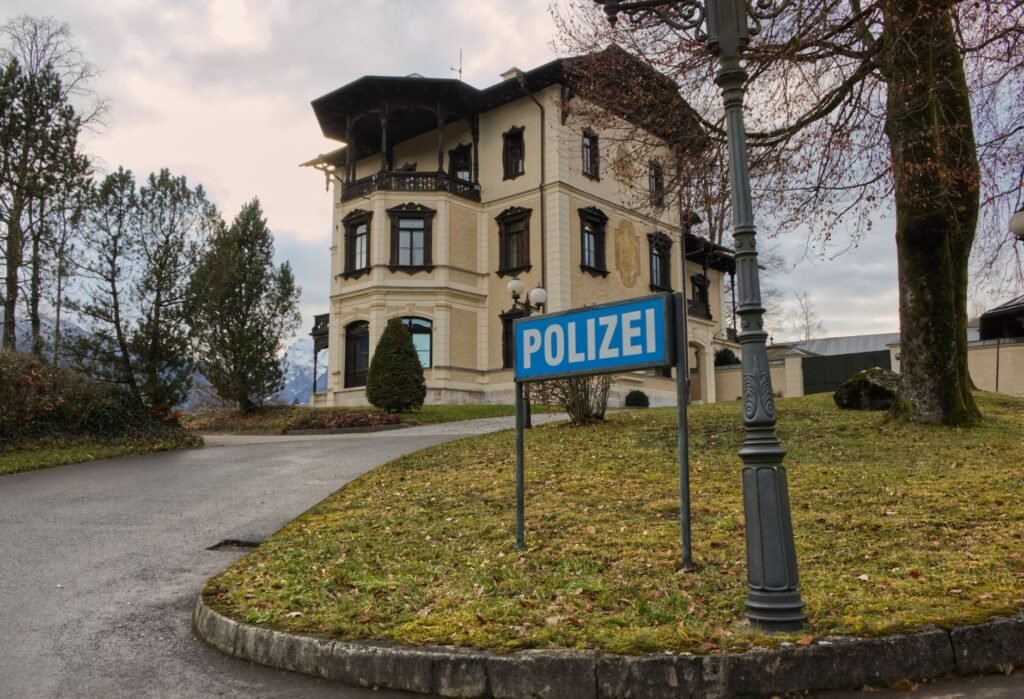
The Austrian government has converted the building where Adolf Hitler was born into a police station, a move intended to prevent the site from becoming a pilgrimage destination for neo-Nazis and sympathizers of the former dictator. The 17th-century structure, located in the town of Braunau am Inn near the German border, has long been a site of contention and discomfort for Austria.
For decades, the Austrian state has grappled with how to manage the property, which it purchased in 1952 to prevent it from falling into the wrong hands. Previous attempts to repurpose the building, including proposals for a cultural center or a home for people with disabilities, were met with resistance or failed to materialize. The building remained vacant for many years, its existence a constant reminder of a dark chapter in history.
As per information available with Tahir Rihat, the decision to transform the birthplace into a police station was finalized after extensive consultations and a desire to strip the site of its symbolic power. The Austrian Interior Ministry spearheaded the project, aiming to create a functional space that serves the community rather than a memorial to a figure responsible for immense suffering and destruction. The renovation process involved extensive architectural work to adapt the historic building for its new purpose.
The transformation is part of a broader Austrian effort to confront its past and ensure that sites associated with Nazism do not become focal points for extremist ideologies. The government has been actively involved in historical education and commemoration, seeking to foster a national identity that rejects the atrocities of the Nazi era. The police station’s presence is seen as a definitive statement that the building will now serve a purpose aligned with law and order, directly opposing the violent and destructive legacy of its most infamous former resident.
The building’s history is marked by controversy. For years, it was owned by Gerlinde Pommer, a descendant of Hitler’s mother, who had leased it to the state for a nominal sum. However, disputes over renovations and the property’s future led to a protracted legal battle. In 2016, the Austrian Constitutional Court ruled that the state could expropriate the building, paving the way for the government to take full control and implement its plans. The expropriation was seen as a necessary step to finally resolve the issue of the building’s ownership and future use.
The town of Braunau am Inn itself has also sought to distance itself from the association with Hitler’s birth. Local authorities have emphasized their commitment to democratic values and have supported efforts to ensure the building’s new function reflects this. The police station is expected to house administrative offices and potentially a local police presence, integrating the building into the daily life of the town in a manner that is entirely disconnected from its historical notoriety.
The repurposing of Hitler’s birthplace is a significant symbolic act by Austria. It underscores the nation’s commitment to confronting its historical responsibilities and actively working to prevent the resurgence of extremist ideologies. By transforming the site into a symbol of state authority and public service, Austria aims to neutralize its potential as a rallying point for those who venerate Nazism, ensuring that the building serves the present and future rather than the past.


Tahir Rihat (also known as Tahir Bilal) is an independent journalist, activist, and digital media professional from the Chenab Valley of Jammu and Kashmir, India. He is best known for his work as the Online Editor at The Chenab Times.