


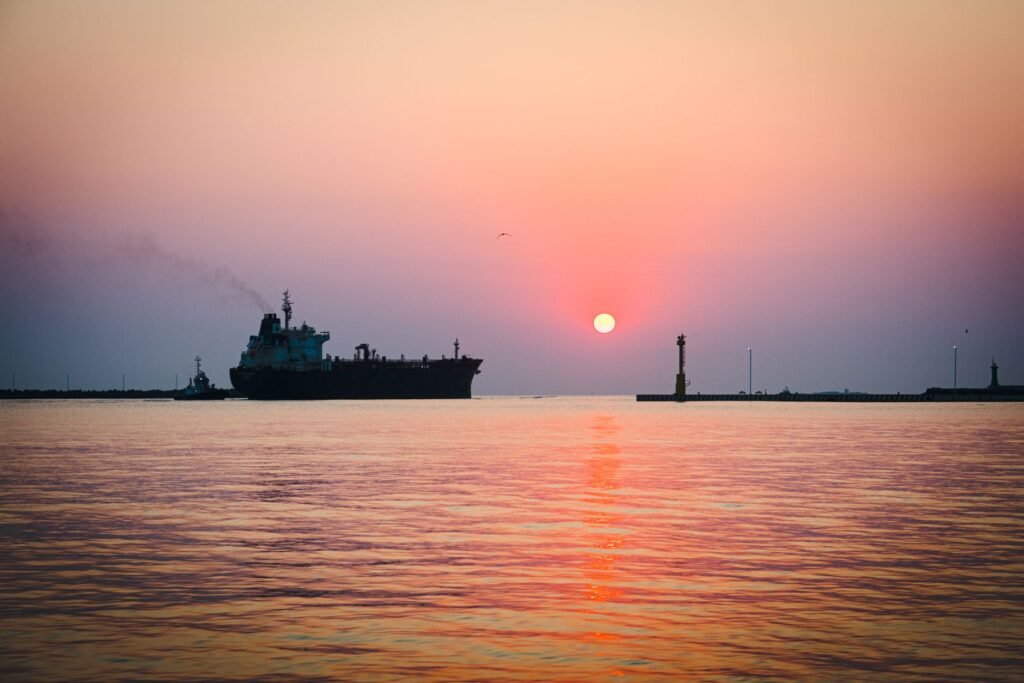
A U.S. airstrike in the Gulf of Oman has resulted in the deaths of three Indian sailors, according to evidence suggesting the targeted vessel was stationary at the time of the attack. The incident raises serious questions about the conduct of military operations in a strategically vital waterway and the safety of maritime traffic. The tanker, identified as part of a “shadow fleet” engaged in risky offshore oil transfers, was struck in an operation that has drawn international scrutiny.
Information reaching Tahir Rihat suggests that the vessel was not in motion when it was hit, a detail that could significantly alter the understanding of the event and the justification for the strike. While the U.S. military has not yet released a detailed account of the operation, the circumstances surrounding the attack are under intense review. The involvement of Indian nationals in the incident underscores the broad impact of such actions on global maritime communities.
The tanker was reportedly involved in clandestine offshore transfers of oil, a practice often associated with circumventing sanctions or operating in less regulated environments. These operations, while potentially lucrative, carry inherent risks due to their nature and location. The U.S. has been active in the region, conducting operations aimed at ensuring freedom of navigation and countering threats to maritime security. However, the loss of civilian lives, particularly those of foreign nationals, necessitates a thorough and transparent investigation.
The Gulf of Oman is a critical chokepoint for global oil shipments, connecting the Persian Gulf to the open ocean. Its strategic importance means that any disruption or incident in the area can have far-reaching economic and geopolitical implications. The presence of a “shadow fleet,” vessels that may operate with less transparency, adds another layer of complexity to the region’s maritime landscape. These fleets are often utilized for oil transport by countries facing international sanctions, and their operations can be difficult to monitor.
The U.S. military’s operations in the region are often framed within the context of maintaining stability and deterring hostile actions. However, the unintended consequences of such operations, particularly when they result in civilian casualties, can undermine broader diplomatic and security objectives. The specific intelligence or operational imperative that led to the airstrike on the tanker remains a key point of interest. The fact that the vessel was allegedly not moving at the time of the strike is a crucial detail that investigators will undoubtedly focus on.
The deaths of the Indian sailors highlight the human cost of escalating tensions and military actions in contested maritime zones. India, as a major maritime power with significant interests in the Persian Gulf and beyond, will be closely monitoring the investigation and seeking accountability. The incident is likely to prompt renewed calls for greater transparency in military operations and for enhanced safety protocols for maritime workers operating in high-risk areas. The nature of the “shadow fleet” itself, and the risks associated with its operations, will also likely come under increased examination.
The U.S. has previously conducted strikes against vessels and individuals it has accused of posing a threat to maritime security or engaging in illicit activities. These actions are often part of broader efforts to counter state-sponsored aggression or terrorist financing. However, the precision and legality of such strikes, especially when civilian casualties occur, are subject to rigorous international norms and scrutiny. The U.S. Department of Defense typically conducts internal reviews of such incidents, and the findings are often released to the public, though the level of detail can vary.
The specific circumstances of the strike, including the intelligence leading up to it and the rules of engagement employed, will be central to the ongoing assessment of the event. The involvement of the Indian sailors means that the Indian government will likely be seeking detailed explanations and assurances that such incidents will not be repeated. The incident also brings into focus the broader issue of maritime security in the Persian Gulf and the Gulf of Oman, a region that has seen increased naval activity and tensions in recent years. The “shadow fleet” phenomenon, while not new, has become more prominent as certain nations seek alternative ways to export their oil amidst international sanctions.
The implications of this strike extend beyond the immediate loss of life. It could potentially impact diplomatic relations between the involved nations and influence regional security dynamics. The U.S. military’s operations in the area are often conducted in coordination with allies, but unilateral actions, especially those with tragic outcomes, can create friction. The investigation into this incident will be closely watched by international maritime organizations, shipping companies, and governments worldwide, all of whom have a vested interest in the safety and security of global shipping lanes.
The tanker’s alleged involvement in risky offshore transfers suggests a level of operational autonomy that may have made it a target. However, the determination of whether the strike was proportionate and in accordance with international law will depend on the full details of the intelligence and the operational context. The U.S. has consistently stated its commitment to ensuring the free flow of commerce and deterring threats in vital waterways, but the execution of these policies is always subject to review, especially when civilian lives are lost.
The incident serves as a stark reminder of the dangers inherent in maritime operations in volatile regions. The “shadow fleet,” by its very nature, operates in a less transparent environment, which can make it difficult to distinguish between legitimate commercial activity and potentially illicit or dangerous operations. The U.S. military’s role in policing these waters, while intended to enhance security, carries the heavy responsibility of avoiding collateral damage and ensuring the safety of all maritime actors. The coming days and weeks will likely see further statements from the involved governments and potentially more details emerging about the specific circumstances of the airstrike.


Tahir Rihat (also known as Tahir Bilal) is an independent journalist, activist, and digital media professional from the Chenab Valley of Jammu and Kashmir, India. He is best known for his work as the Online Editor at The Chenab Times.