


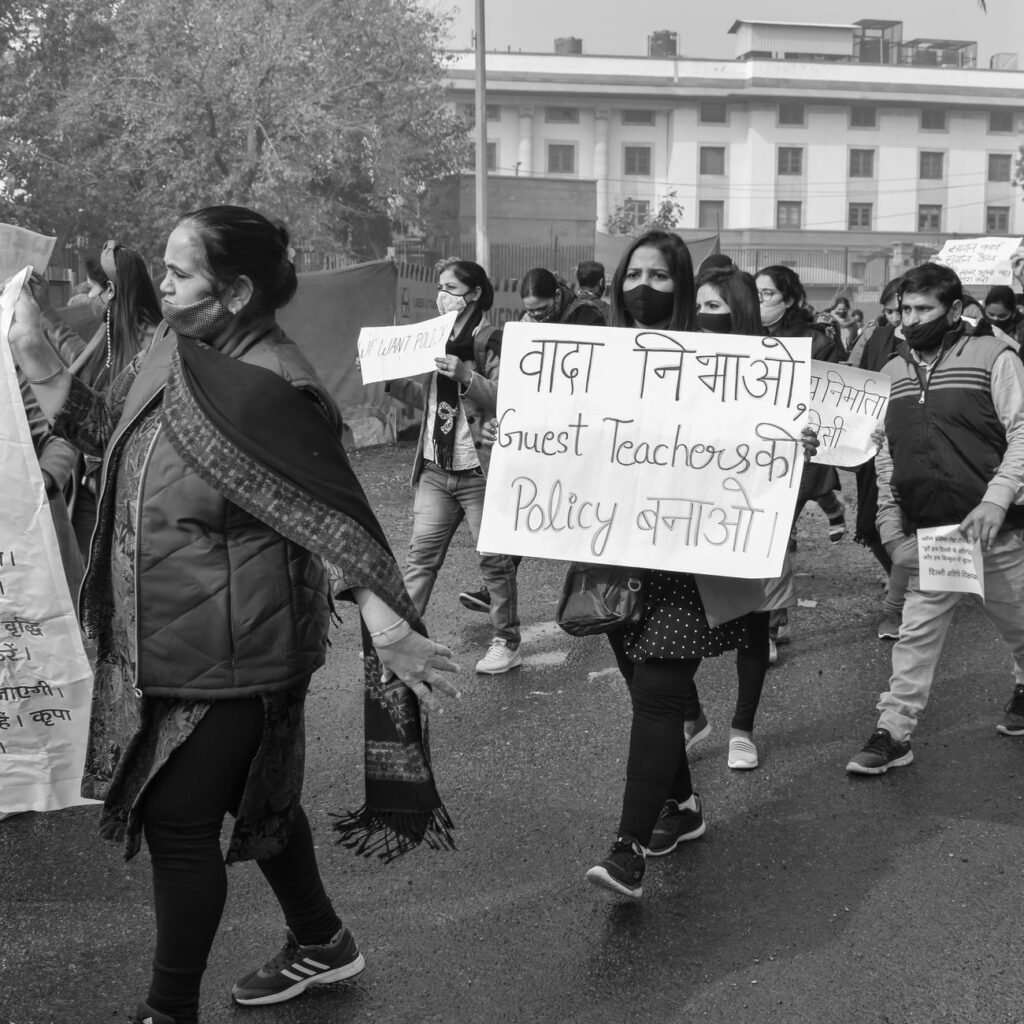
Dharmendra Pradhan, India‘s Minister of Education, has offered his resignation, marking a significant concession to a widespread student protest movement that has been challenging the government of Prime Minister Narendra Modi. The development signifies a major victory for the demonstrators, whose sustained activism has now led to a high-profile departure from the cabinet.
The exact reasons for Mr. Pradhan’s resignation have not been officially detailed, but sources close to the ministry suggest it is directly linked to the ongoing student demonstrations. Information reaching Tahir Rihat indicates that the protests, which have gained considerable momentum in recent weeks, have put immense pressure on the administration. The students’ grievances, initially focused on specific policy issues within the education sector, have broadened to encompass broader concerns about governance and transparency, according to reports from the ground.
The student movement, characterized by its organized and persistent approach, has utilized various platforms to voice its dissent. Social media campaigns, campus rallies, and public demonstrations have become hallmarks of their strategy. The scale and intensity of these protests have reportedly caught many in the ruling establishment by surprise, leading to a period of intense deliberation within the Prime Minister’s office. The resignation of a key minister like Mr. Pradhan is seen by many observers as a direct response to the escalating public pressure and the potential for further destabilization.
Prime Minister Narendra Modi’s government has faced a series of challenges in recent times, and this student protest movement represents a new front in public discontent. The administration has been keen to project an image of stability and progress, and the prolonged demonstrations have threatened to undermine this narrative. The decision to accept or reject Mr. Pradhan’s resignation will be closely watched as an indicator of the government’s strategy in navigating this crisis. The implications for future policy decisions within the education ministry and the broader political landscape are also significant.
The student protesters have articulated a range of demands, which include greater student representation in decision-making bodies, reforms in examination and evaluation systems, and increased funding for public educational institutions. While the specific catalyst for the current wave of protests remains a subject of discussion, the underlying issues appear to be deeply rooted in the experiences of students across the country. The government’s initial response was reportedly a mix of dialogue and attempts to quell the demonstrations, but the protesters’ resolve has remained steadfast.
The resignation of Dharmendra Pradhan, if accepted, will necessitate a reshuffling of responsibilities within the Ministry of Education and potentially other related portfolios. This could lead to a period of uncertainty as a new minister is appointed and familiarizes themselves with the ongoing challenges. The student movement, having achieved this significant initial success, is likely to maintain its vigilance and continue to advocate for its demands, regardless of the ministerial changes.
The broader political ramifications of this event are also considerable. It could embolden other groups to voice their dissent and challenge government policies. The Prime Minister’s office will need to carefully manage the fallout from this resignation to avoid further erosion of public trust. The effectiveness of the government’s response in the coming days will be crucial in determining the long-term impact of these protests on India’s political and social fabric.
The international community also keeps a close watch on significant political developments in India, given its status as a major global democracy. The handling of domestic dissent and the responsiveness of the government to public grievances are often scrutinized. The resignation of a senior minister in response to popular protest is a development that is likely to be noted in diplomatic circles.
The student movement’s ability to mobilize and sustain its campaign has been a key factor in its success. Reports suggest a strong organizational structure and effective communication channels have been instrumental in their efforts. The government’s strategy in addressing the concerns of the student population will be a critical test of its commitment to democratic principles and inclusive governance. The coming days are expected to be pivotal in shaping the future course of this situation.


Tahir Rihat (also known as Tahir Bilal) is an independent journalist, activist, and digital media professional from the Chenab Valley of Jammu and Kashmir, India. He is best known for his work as the Online Editor at The Chenab Times.