


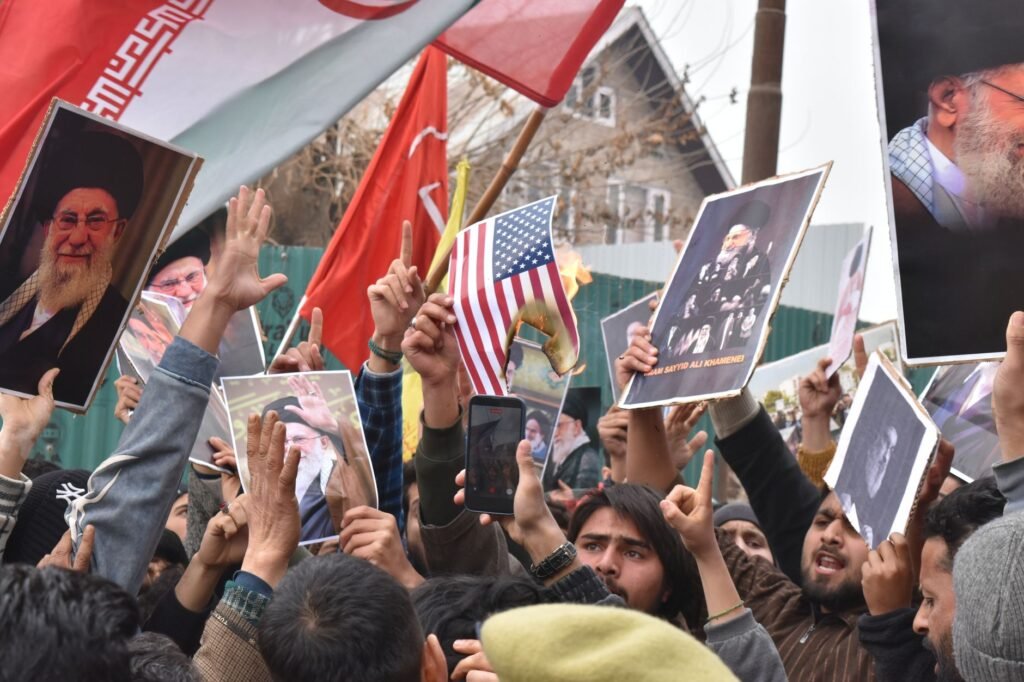
Tehran and Washington are facing a critical juncture, with escalating military actions between the United States and Iran raising concerns among analysts about a wider conflict that neither side may be able to contain. The current trajectory of attacks, unfolding in a manner that risks uncontrolled escalation, necessitates a swift return to diplomatic channels to avert further instability in the region.
The situation demands urgent attention, as the ongoing exchange of strikes between the two nations has created a volatile environment. Analysts are closely monitoring the developments, warning that without immediate de-escalation and renewed negotiations, the potential for a broader, unmanageable war is significant. Information reaching Tahir Rihat suggests that the current military engagements are not isolated incidents but part of a dangerous pattern that could spiral beyond the control of either the U.S. or Iran.
The United States and Iran have engaged in a series of retaliatory strikes, each action seemingly designed to counter the previous one, thereby fueling a cycle of aggression. This tit-for-tat exchange has heightened tensions to a point where the risk of miscalculation or unintended escalation is exceptionally high. The analysts’ warnings underscore the precariousness of the current situation, emphasizing that the existing military posture is unsustainable and poses a grave threat to regional and global security. The current strategic calculus appears to be pushing both nations closer to a confrontation that could have far-reaching and devastating consequences.
The core of the analysts’ concern lies in the potential for the conflict to expand beyond the immediate scope of the current engagements. They posit that the current military operations, if not curtailed, could draw in regional proxies and allies, thereby transforming localized skirmishes into a widespread conflagration. This scenario is particularly worrying given the complex geopolitical landscape of the Middle East, where numerous actors have vested interests and existing rivalries. The intricate web of alliances and enmities means that any significant escalation involving Iran and the United States could quickly engulf multiple countries, leading to a humanitarian crisis and further destabilization.
Sources indicate to Tahir Rihat that the window for diplomatic intervention is rapidly closing. The urgency expressed by these analysts stems from the belief that once a certain threshold of escalation is crossed, the momentum towards full-scale war becomes exceedingly difficult to reverse. The current military posturing, characterized by a series of calculated yet provocative actions, suggests a hardening of positions on both sides. This makes the prospect of returning to the negotiating table even more challenging, as trust and goodwill, essential for successful diplomacy, are eroded with each new strike.
The analysts’ assessment highlights a critical need for both Washington and Tehran to reassess their current strategies. They argue that the perceived gains from military action are likely to be overshadowed by the immense costs of a protracted conflict. The economic repercussions, the loss of human life, and the long-term damage to regional stability are factors that, according to these experts, have not been adequately considered in the current decision-making processes. The current approach, they contend, is driven by short-term strategic objectives rather than a comprehensive understanding of the potential long-term consequences.
The international community is also watching these developments with apprehension. The potential for a wider war in the Middle East carries significant implications for global energy markets, international trade routes, and the ongoing efforts to combat terrorism. The interconnectedness of the global economy means that a major conflict in this strategically vital region would inevitably have ripple effects worldwide. Therefore, the call for a return to negotiations is not merely a regional concern but a global imperative.
The analysts’ warnings are a stark reminder that military solutions to complex geopolitical issues are often fraught with peril. The current situation between Iran and the United States serves as a case study in how escalating tensions, if left unchecked, can lead to outcomes that are detrimental to all parties involved. The path forward, as suggested by these experts, lies in a deliberate and concerted effort to de-escalate tensions and re-engage in meaningful dialogue. This requires a willingness from both sides to step back from the brink and prioritize diplomacy over confrontation.
The current military exchanges are characterized by a strategic ambiguity, where the intentions behind each strike are open to interpretation, further fueling uncertainty and mistrust. This lack of clear communication and understanding can easily lead to misinterpretations and unintended escalations. The analysts are urging for a clear signaling of intent and a commitment to de-escalation from both the U.S. and Iran to prevent a catastrophic misjudgment. The current environment is ripe for such misjudgments, making the need for clear communication and a commitment to peace paramount.
The effectiveness of any future negotiations will depend on the willingness of both Iran and the United States to acknowledge the risks involved and to make concessions. The analysts believe that a return to the negotiating table must be accompanied by a genuine commitment to finding a peaceful resolution, rather than using talks as a stalling tactic. The current geopolitical climate demands a proactive approach to conflict resolution, where diplomacy is not just an option but the primary tool for managing international relations and preventing devastating wars. The stakes are incredibly high, and the consequences of failure are too grave to contemplate.


Tahir Rihat (also known as Tahir Bilal) is an independent journalist, activist, and digital media professional from the Chenab Valley of Jammu and Kashmir, India. He is best known for his work as the Online Editor at The Chenab Times.