


Iran’s leadership is adopting a strategy of enduring further pressure, believing they can outlast President Donald Trump’s administration and leverage their control over the Strait of Hormuz, according to analysts observing the geopolitical landscape. This approach comes as a temporary halt in United States military strikes against Iranian-backed forces has created a brief reprieve in the ongoing hostilities.
The pause in U.S. actions, which has been in effect for a period, has not spurred Iran to re-engage in cease-fire negotiations. Instead, Tehran appears to be calculating that the current situation provides an opportunity to consolidate its position and potentially extract more favorable terms should talks eventually resume. Information reaching Tahir Rihat suggests that this strategic patience is rooted in a belief that the economic sanctions and military pressures imposed by the U.S. are not yet at a level that compels Iran to concede on key demands.
Analysts point to Iran’s historical resilience in the face of international isolation and military confrontations. The leadership in Tehran has demonstrated a capacity to absorb significant economic and military setbacks without fundamentally altering its strategic objectives. This has led to a perception within Iran that a prolonged period of low-intensity conflict, coupled with the threat of disrupting vital global shipping lanes, could ultimately force the U.S. to reconsider its approach.
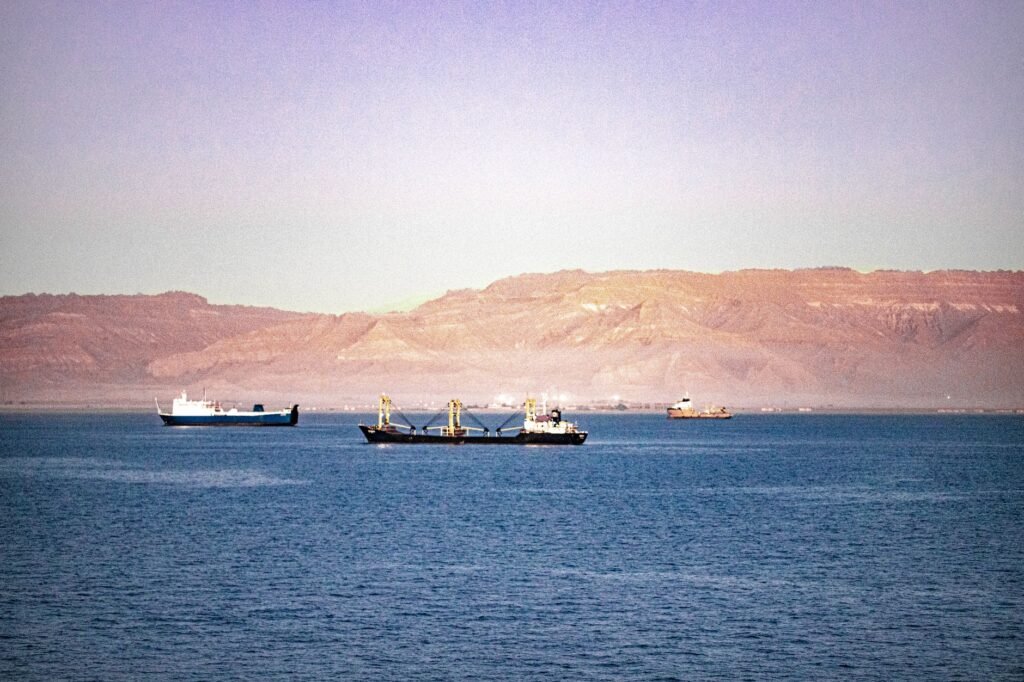
The Strait of Hormuz, a critical chokepoint for global oil transport, remains a significant strategic asset for Iran. The ability to threaten or disrupt traffic through this waterway provides Tehran with a powerful bargaining chip. As per information available with Tahir Rihat, Iranian officials have repeatedly alluded to their capability to make the passage of oil through the strait difficult, a threat that carries considerable weight in global energy markets and international diplomacy.
The U.S. has been engaged in a series of retaliatory strikes against Iranian-backed militias in the region, escalating tensions significantly. However, the recent cessation of these strikes has created a vacuum that Iran is not rushing to fill with diplomatic overtures. Instead, the prevailing sentiment among observers is that Iran is using this period to assess the impact of past U.S. actions and to prepare for any potential future escalations, while simultaneously signaling its unwillingness to be rushed into talks under duress.
Sources indicate to Tahir Rihat that the Iranian calculus also involves an assessment of the domestic political landscape in the United States. The leadership in Tehran may be banking on the possibility of a change in U.S. foreign policy priorities or a shift in the American public’s appetite for prolonged regional engagement. This long-term perspective suggests that Iran is not operating under the same immediate time constraints as the current U.S. administration.
The ongoing conflict, while experiencing a temporary lull in direct U.S. strikes, continues to have profound implications for regional stability. The proxy warfare and political maneuvering between Iran and its adversaries, primarily the United States and its allies, have created a volatile environment. The lack of progress on cease-fire talks means that the underlying issues fueling the conflict remain unresolved, leaving the door open for future flare-ups.
The international community has been closely monitoring the situation, with many nations urging de-escalation and a return to diplomatic channels. However, the current impasse highlights the deep-seated mistrust and divergent strategic interests that characterize the relationship between Iran and the United States. Without a willingness from both sides to engage in meaningful dialogue, the prospect of a lasting peace remains distant.
The economic sanctions imposed on Iran have undoubtedly taken a toll on its economy, but the Iranian government has shown a remarkable ability to adapt and to maintain a degree of internal stability. This resilience, coupled with its strategic assets, has emboldened its leadership to resist what it perceives as unfavorable negotiation terms. The current pause in U.S. strikes, therefore, is not being viewed by Tehran as an opportunity for concession, but rather as a moment to reinforce its strategic position.
The broader implications of Iran’s current stance extend beyond the immediate conflict. It signals a potential shift in regional power dynamics, where Iran, despite facing significant external pressures, is asserting its agency and challenging the established order. The coming weeks and months will likely reveal whether this strategy of endurance and leverage proves effective in shaping future diplomatic outcomes or leads to further entrenchment of the conflict.


Tahir Rihat (also known as Tahir Bilal) is an independent journalist, activist, and digital media professional from the Chenab Valley of Jammu and Kashmir, India. He is best known for his work as the Online Editor at The Chenab Times.