


Iran’s top diplomat arrived in Muscat, Oman, on Saturday for discussions that are expected to address the escalating tensions surrounding the Strait of Hormuz. The visit follows a week of significant confrontations between the United States and Iran in the critical waterway, raising international concerns about maritime security and potential disruptions to global oil supplies.
The Iranian foreign minister’s arrival in the Omani capital marks a crucial diplomatic engagement aimed at de-escalating the volatile situation. Information reaching Tahir Rihat suggests that the talks will focus on the recent clashes and potential measures to ensure freedom of navigation through the Strait of Hormuz, a vital chokepoint for international shipping. The United States and Iran have been engaged in a series of naval incidents in the Persian Gulf, exacerbating existing geopolitical friction.
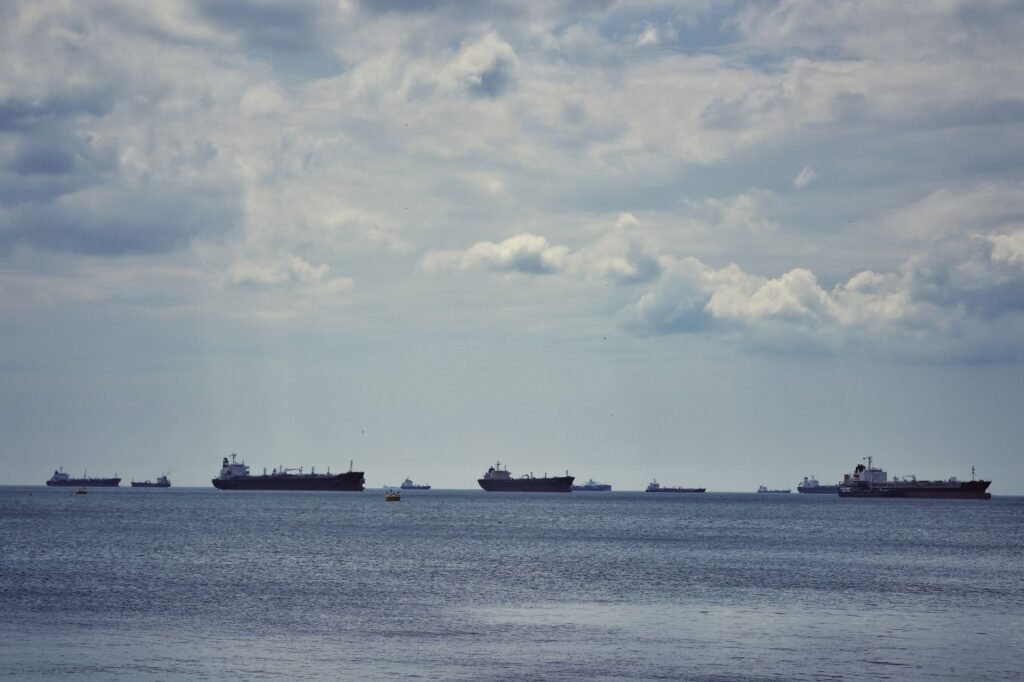
The Strait of Hormuz, a narrow channel connecting the Persian Gulf to the Gulf of Oman, is one of the world’s most strategically important maritime passages. Approximately one-fifth of global oil consumption passes through this strait, making any disruption a significant threat to the global economy. The recent escalation of tensions has led to increased military presence and heightened alert levels among regional and international naval forces operating in the vicinity.
Sources indicate to Tahir Rihat that the discussions in Oman are part of ongoing efforts to prevent a wider conflict and to find diplomatic solutions to the ongoing maritime disputes. Iran has previously accused the U.S. of provocative actions in the region, while the U.S. has stated its commitment to ensuring unimpeded passage for commercial vessels. The diplomatic outreach to Oman, a neutral mediator in many regional disputes, underscores the seriousness with which both sides are approaching the current crisis.
The outcome of these high-level talks could have far-reaching implications for regional stability and international energy markets. Analysts are closely watching the diplomatic maneuvers for signs of a breakthrough that could ease the immediate pressure and pave the way for more comprehensive negotiations. The involvement of Oman as a facilitator highlights its consistent role in fostering dialogue between nations with divergent interests in the region.
The U.S. has been particularly vocal about its concerns regarding Iran’s actions, which it claims threaten international maritime law and the safety of vessels transiting the strait. Conversely, Iran has maintained that its actions are defensive and aimed at protecting its national interests and sovereignty. The exchange of accusations has contributed to a climate of mistrust, making diplomatic resolutions challenging.
The current standoff has also drawn the attention of international bodies and global powers, who have urged restraint and called for de-escalation. The potential for miscalculation in such a tense environment is high, and any misstep could lead to unintended consequences. The diplomatic overtures, therefore, are seen as a critical step in averting a further deterioration of the situation.
The Strait of Hormuz has been a focal point of geopolitical tensions for decades, with its strategic importance often leading to heightened military posturing. The recent clashes have brought these underlying tensions to the forefront, necessitating urgent diplomatic intervention. The visit of Iran’s foreign minister to Oman is a testament to the ongoing diplomatic efforts to manage and resolve these complex issues.
The international community is hopeful that the dialogue initiated in Muscat will lead to a reduction in hostilities and a renewed commitment to peaceful maritime transit. The success of these talks could set a precedent for future diplomatic engagements in the region, potentially fostering a more stable environment for international trade and security. The ongoing developments will be closely monitored by governments, financial markets, and the public worldwide.


Tahir Rihat (also known as Tahir Bilal) is an independent journalist, activist, and digital media professional from the Chenab Valley of Jammu and Kashmir, India. He is best known for his work as the Online Editor at The Chenab Times.