


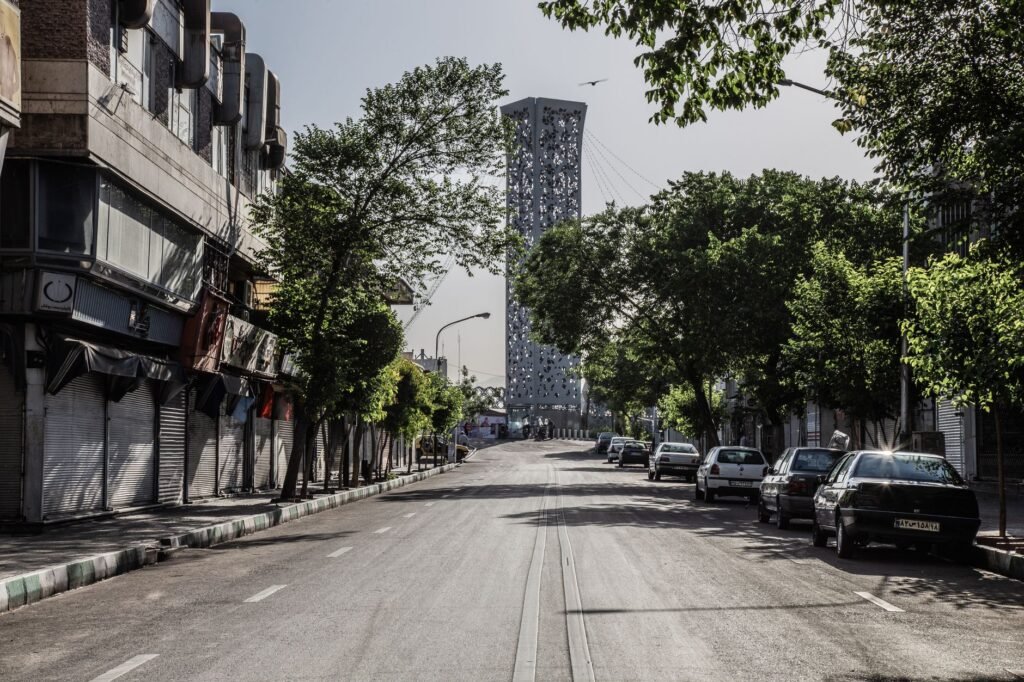
A recent journey through Iran has revealed a nation grappling with the realities of wartime, presenting a complex tapestry of defiance and weariness, despair and enduring hope. The observations, spanning from the bustling capital of Tehran to the revered holy city of Mashhad, paint a picture of a society under strain yet demonstrating remarkable resilience.
Information reaching Tahir Rihat suggests that the Iranian populace is navigating a period marked by significant external pressures, likely stemming from ongoing geopolitical tensions and their associated economic and social ramifications. Despite these challenges, a strong undercurrent of national pride and a determination to persevere appear to be defining characteristics of the current societal mood. This duality of emotion and spirit is a recurring theme in discussions and observations from various parts of the country.
The experiences encountered during this extensive travel within Iran underscore the multifaceted nature of its people. While the weight of prolonged conflict and uncertainty is palpable, it has not extinguished the spirit of its citizens. Instead, it appears to have forged a deeper sense of resolve and a persistent optimism for a more peaceful future. This internal fortitude is a significant factor in understanding the nation’s current trajectory and its capacity to withstand adversity.
The journey’s findings indicate that the societal fabric of Iran is woven with threads of both stoicism and aspiration. Individuals encountered expressed a clear understanding of the difficulties they face, yet their conversations and actions often pointed towards a forward-looking perspective. This suggests a population that is not merely enduring hardship but actively seeking ways to overcome it and build a better tomorrow. The resilience observed is not a passive acceptance of fate but an active engagement with their circumstances, demonstrating a profound capacity for adaptation and survival.
In Tehran, the vibrant energy of the metropolis coexists with a palpable sense of caution. Citizens go about their daily lives, engaging in commerce, education, and social activities, but the underlying awareness of the nation’s precarious position is never far from the surface. This duality is reflected in the arts, in public discourse, and in the everyday interactions between people. The city, like the nation it represents, is a microcosm of these contrasting yet coexisting sentiments.
Moving towards Mashhad, a city of deep spiritual significance, the observations take on a different hue. While the challenges of wartime are still present, the spiritual and cultural heart of the nation offers a different kind of solace and strength. Pilgrims and residents alike exhibit a profound sense of faith, which appears to be a significant source of comfort and resilience. This spiritual dimension plays a crucial role in shaping the national psyche and providing a moral compass during times of upheaval.
The interactions with various segments of Iranian society, from urban dwellers to those in more remote areas, consistently highlighted a shared sense of national identity and a collective desire for stability. This unity, forged in the crucible of shared experience, is a powerful force that continues to shape the nation’s response to external pressures. The narrative of defiance is not one of aggression but of an unwavering commitment to self-determination and the preservation of their way of life.
Furthermore, the journey revealed a generation that, while bearing the scars of conflict, is also deeply invested in the future. Young Iranians, in particular, are seen to be actively engaging with global trends and ideas, seeking opportunities for personal and national growth. Their aspirations for education, innovation, and a more prosperous future are a testament to the enduring spirit of the nation. This forward-looking attitude is a crucial element in understanding Iran’s long-term outlook and its potential for transformation.
The observations from this extensive travel across Iran underscore the critical importance of understanding the nuances of its society. It is a nation that defies simple categorization, a place where the weight of history and the challenges of the present are met with an indomitable spirit of hope and a steadfast commitment to its future. The journey serves as a powerful reminder that beneath the headlines of geopolitical conflict lies a complex human landscape of resilience, aspiration, and enduring hope.


Tahir Rihat (also known as Tahir Bilal) is an independent journalist, activist, and digital media professional from the Chenab Valley of Jammu and Kashmir, India. He is best known for his work as the Online Editor at The Chenab Times.