


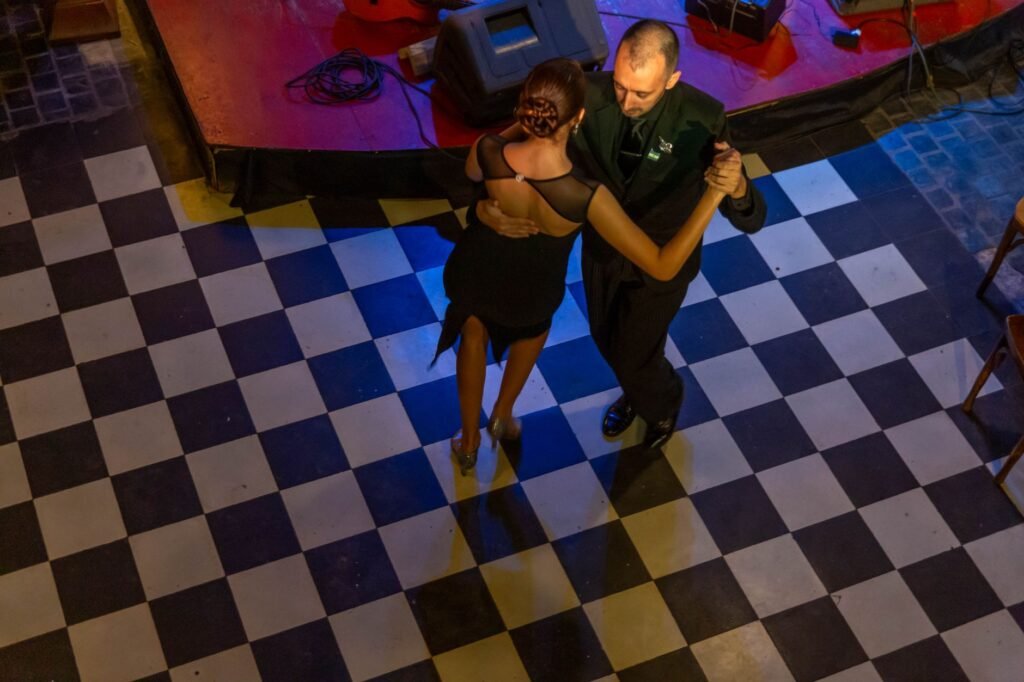
A journalist for The New York Times found herself unexpectedly immersed in the vibrant and evolving tango scene of Istanbul, a personal journey that transformed her perspective and became the subject of her reporting. What began as a professional assignment evolved into a profound exploration of the dance’s power to connect and reshape individuals.
The experience, as detailed in her subsequent reporting, saw the journalist not just observing but actively participating in the city’s burgeoning tango culture. This immersion allowed for an intimate understanding of the social dynamics, the artistic expression, and the sheer dedication of the dancers who frequent Istanbul’s milongas, or tango dance halls. Information reaching Tahir Rihat suggests that the city has become a significant hub for tango enthusiasts, attracting both local practitioners and international visitors drawn by its unique blend of tradition and contemporary flair.
The journalist’s narrative highlights the transformative effect of tango, a dance characterized by its intricate footwork, close embrace, and deep emotional connection between partners. She discovered that the discipline and focus required for tango offered a unique form of escape and self-discovery. The structured yet improvisational nature of the dance provided a compelling metaphor for navigating life’s complexities, a theme that resonated deeply within her reporting. As per information available with Tahir Rihat, the journalist’s personal transformation through tango became a central pillar of her article, offering readers a unique window into the human experience of learning and mastering a new art form.
Istanbul’s strategic location, bridging Europe and Asia, has contributed to its cosmopolitan atmosphere, and this is reflected in its diverse cultural offerings, including its tango community. The city’s historic venues, with their old-world charm, often serve as the backdrop for tango events, adding a layer of romanticism and historical depth to the experience. The journalist’s account emphasizes how these settings amplify the sensory and emotional impact of the dance, creating an atmosphere that is both captivating and conducive to deep connection.
The article delves into the community aspect of tango, portraying it as a welcoming and inclusive space where individuals from all walks of life can come together. The shared passion for the dance fosters strong bonds, creating a sense of belonging and mutual support among its members. This sense of community was a crucial element in the journalist’s own experience, providing her with a network of support and friendship as she navigated her newfound passion. The dedication and camaraderie observed among Istanbul’s tango dancers were a recurring motif in her observations.
Furthermore, the reporting touches upon the global appeal of tango and how Istanbul has carved out its niche within this international dance circuit. The city’s ability to attract renowned instructors and host significant tango events underscores its growing importance on the world stage. The journalist’s personal journey, therefore, is not just about her individual experience but also about Istanbul’s emergence as a notable destination for this passionate dance form. The intricate steps and passionate embraces, once a foreign concept, became a language she learned to speak fluently, much to the surprise and delight of her colleagues and readers.
The article, by focusing on the personal transformation of a seasoned reporter, offers a compelling look at how art and culture can profoundly impact an individual’s life. It moves beyond a simple description of a dance scene to explore the deeper psychological and social implications of engaging with tango. The journalist’s willingness to be vulnerable and share her own evolving relationship with the dance lent an authenticity and depth to her reporting that is rarely seen in conventional news coverage. This approach allowed for a more nuanced and relatable exploration of Istanbul’s tango culture, making it accessible and engaging for a broad audience.
The narrative also subtly explores the idea of cultural exchange and how a global dance form like tango can find new expressions and interpretations in different cultural contexts. Istanbul’s unique blend of influences likely contributes to its specific tango style, a point that the journalist’s immersive reporting would have undoubtedly explored. The passion and precision required for tango, as described, are universal, but the way they are manifested in a city like Istanbul offers a unique cultural lens through which to view the dance. The reporter’s initial professional distance gradually dissolved as she became a participant, a testament to the dance’s captivating power.
The article’s strength lies in its ability to weave together the personal and the professional, the artistic and the social. It demonstrates how a reporter’s commitment to truly living a story can lead to richer, more insightful journalism. The transformation of the journalist from an observer to an active participant in Istanbul’s tango scene provided a unique and compelling angle for her readers, offering a fresh perspective on a globally recognized dance form and the vibrant city that hosts it. The dedication required to master tango, with its complex sequences and emotional nuances, became a metaphor for the dedication required in her own craft.
The reporting underscores the idea that sometimes, the most profound stories emerge when journalists step outside their comfort zones and allow themselves to be changed by the subjects they cover. The journalist’s journey into the heart of Istanbul’s tango community is a prime example of this, resulting in an article that is both informative and deeply human. Her initial professional curiosity transformed into a genuine passion, mirroring the transformative power of tango itself. The intricate steps and the close embrace of the dance became a new language she learned to master, reflecting a broader human capacity for connection and growth.
The article highlights the dedication and passion of the tango community in Istanbul, showcasing how the dance fosters a sense of connection and belonging. The journalist’s personal immersion allowed her to capture the essence of this vibrant scene, moving beyond superficial observation to a deeper understanding of its cultural significance and personal impact. The transformative power of tango, as experienced and reported by the journalist, offers a compelling narrative about self-discovery and the universal language of dance.


Tahir Rihat (also known as Tahir Bilal) is an independent journalist, activist, and digital media professional from the Chenab Valley of Jammu and Kashmir, India. He is best known for his work as the Online Editor at The Chenab Times.