


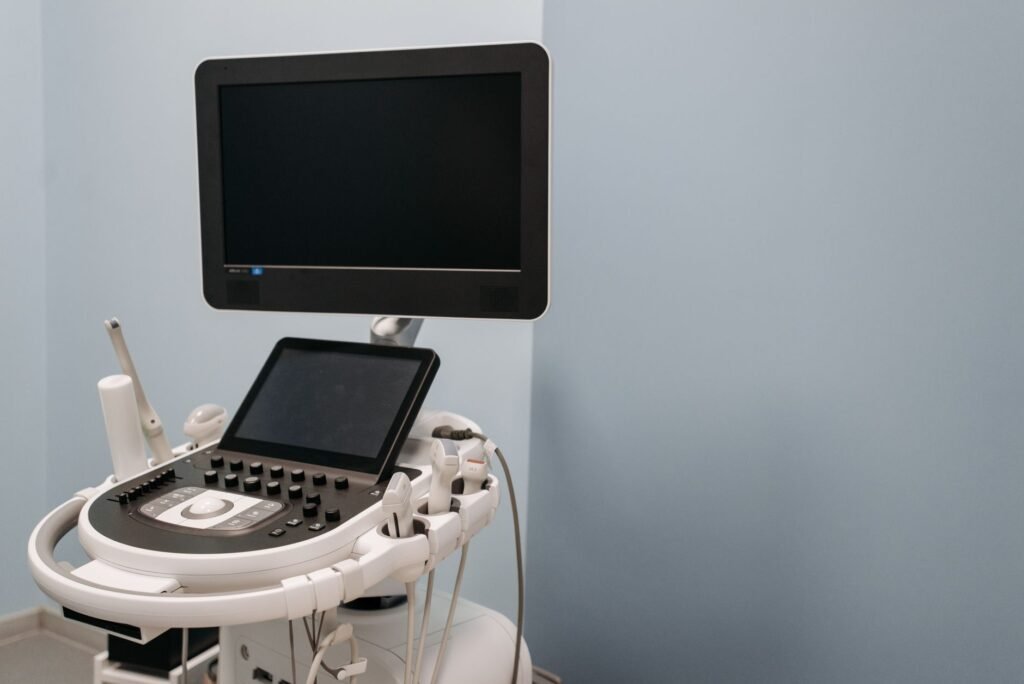
Jammu and Kashmir is set to significantly enhance its diagnostic healthcare capabilities with the allocation of 275 AI-enabled portable handheld X-ray machines, nine 1.5-Tesla MRI units, and four digital mammography units. This substantial upgrade, facilitated under the Prime Minister’s Fund, aims to bolster the Union Territory’s medical infrastructure and improve patient care across government health institutions.
A formal Memorandum of Understanding has been executed between the Union Ministry of Health and Family Welfare and the Jammu and Kashmir Government to oversee the implementation of this vital project. The newly acquired equipment will be strategically installed in designated government health facilities, with the primary objective of strengthening diagnostic services. This initiative is expected to lead to improved early disease detection, more effective breast cancer screening, and enhanced support for AI-driven tuberculosis screening programs. Information reaching Tahir Rihat suggests that the procurement, installation, and commissioning processes will be managed by the Government of India through its appointed agencies, with the initial supplies anticipated in the coming months.
The Health and Medical Education Department of Jammu and Kashmir has been tasked with ensuring the readiness of all sites for the installation of this advanced medical technology. This includes the timely deployment of necessary manpower and the swift operationalization of the new facilities. The department’s proactive approach is crucial to ensure that these state-of-the-art diagnostic tools become accessible to the public as quickly as possible, thereby maximizing their benefit to the healthcare system. The allocation of these sophisticated machines follows persistent efforts by the Health and Medical Education Department, underscoring the government’s commitment to modernizing healthcare infrastructure and broadening access to advanced diagnostic services throughout the Union Territory.
Chief Secretary Atal Dulloo has been actively involved in monitoring reforms within the health sector, with a particular emphasis on modernizing healthcare infrastructure, reinforcing public health institutions, and elevating diagnostic capabilities. His oversight also extends to ensuring equitable access to high-quality healthcare services for all residents of Jammu and Kashmir. This comprehensive approach is designed to address existing gaps and disparities in healthcare delivery. The introduction of AI-enabled X-ray machines, in particular, promises to revolutionize portable diagnostics, allowing for quicker assessments in various settings, including remote areas. The integration of artificial intelligence into these machines is expected to aid radiologists and technicians in identifying potential abnormalities with greater speed and accuracy, potentially leading to earlier interventions.
The addition of nine 1.5-Tesla MRI units represents a significant leap forward in diagnostic imaging within the Union Territory. MRI technology is crucial for detailed visualization of soft tissues, organs, and bones, aiding in the diagnosis of a wide range of conditions, from neurological disorders to musculoskeletal injuries and certain types of cancer. The higher Tesla strength of these new units indicates enhanced image resolution and faster scan times, which can improve patient comfort and diagnostic precision. This will likely reduce the need for patients to travel to specialized centers outside the Union Territory for advanced imaging, thereby saving time and resources for both patients and the healthcare system.
Furthermore, the inclusion of four digital mammography units is a critical step in strengthening breast cancer screening programs. Early detection remains one of the most effective strategies in combating breast cancer, and advanced digital mammography offers improved image quality and reduced radiation exposure compared to older film-based systems. This will enable more effective screening of the female population, leading to earlier diagnosis and potentially better treatment outcomes. The AI capabilities integrated into some of these diagnostic tools are expected to further refine the screening process, assisting in the identification of subtle signs of disease that might otherwise be missed.
The overall impact of this initiative is projected to be substantial. It is anticipated that the enhanced diagnostic capacity in government hospitals will lead to a significant reduction in patient referrals to private facilities or out-of-territory centers. This not only streamlines the patient journey but also reduces the financial burden on individuals. The ability to perform more accurate and timely diagnoses will facilitate earlier initiation of treatment, which is often directly correlated with improved patient outcomes and survival rates. The government’s investment in these advanced technologies reflects a strategic vision to create a robust and responsive healthcare ecosystem in Jammu and Kashmir, ensuring that citizens have access to world-class diagnostic services closer to home.
The successful implementation of this project will require close coordination between the central government, the Union Territory administration, and the healthcare providers on the ground. Training of medical personnel on the operation and interpretation of data from these new AI-enabled machines will be a critical component. As per information available with Tahir Rihat, the Health and Medical Education Department is committed to ensuring that the operationalization of these facilities is seamless, allowing for the rapid integration of these advanced diagnostic tools into the daily workflow of government hospitals and health centers. This modernization effort is a testament to the ongoing focus on improving public health and well-being across Jammu and Kashmir.


Tahir Rihat (also known as Tahir Bilal) is an independent journalist, activist, and digital media professional from the Chenab Valley of Jammu and Kashmir, India. He is best known for his work as the Online Editor at The Chenab Times.