


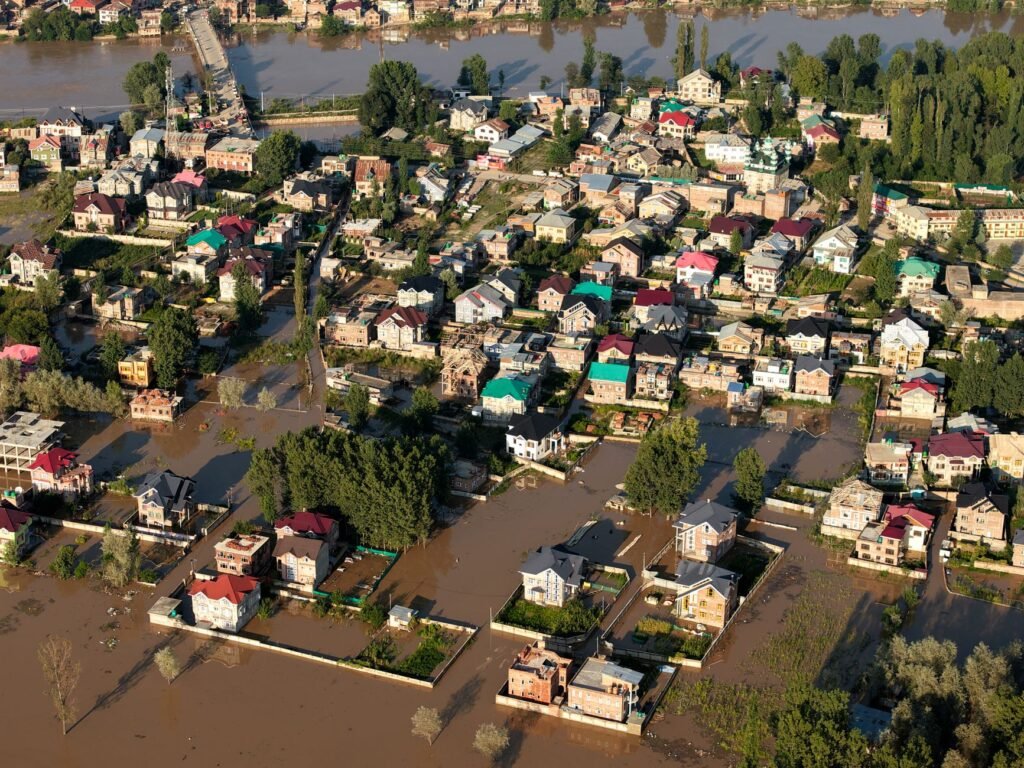
Heavy rainfall across the mountainous regions of the Jammu division on Wednesday unleashed flash floods, leading to the closure of numerous roads in the districts of Doda, Kishtwar, and Kathua. The deluge brought debris and boulders to the Bhalessa area in Doda, significantly disrupting local transportation networks. In Kathua district, traffic along the Bani-Basohli road faced considerable delays and interruptions due to the intense downpour. Restoration efforts were initiated by Wednesday evening, with authorities working to clear the affected routes.
Information reaching Tahir Rihat suggests that while normal life was significantly disrupted, there were no immediate reports of loss of life or substantial damage to property as a result of the flash floods and heavy rainfall. The adverse weather conditions prompted the Kishtwar administration to suspend the ongoing Machail Mata Yatra and the Mindhal Mata Yatra for Wednesday. An official order cited continuous rainfall, slippery road conditions, and the inherent risk of shooting stones as the primary reasons for the suspension, prioritizing the safety of the pilgrims. Both religious processions had also remained suspended on July 1, with pilgrims advised to refrain from undertaking their journeys and to seek safe locations until further advisories were issued by the District Administration of Kishtwar.
The widespread rainfall across the region signifies the advancement of the southwest monsoon into most parts of Jammu and Kashmir and Ladakh. The Meteorological Centre in Srinagar reported that the southwest monsoon had covered the entire meteorological subdivision of Jammu and Kashmir and Ladakh on July 1, marking a slight delay from the normal onset date of June 30. During this period, Samba recorded a significant rainfall of 62.5 mm, while Jammu received 35.8 mm. The Meteorological Department has issued forecasts indicating generally cloudy weather conditions with intermittent spells of light to moderate rain and thundershowers expected at many locations across Jammu and Kashmir and Ladakh. These conditions are predicted to persist between July 1 and July 4, with the possibility of heavy rainfall occurring at a few isolated places. Similar weather patterns, characterized by brief but intense showers, are anticipated to continue from July 5 to July 8.
The MeT Department has also issued a stern warning regarding the potential for heavy rainfall to trigger flash floods and landslides in vulnerable areas, particularly along the Pir Panjal range, the Chenab Valley, and southern Kashmir. In light of these forecasts and the ongoing weather disruptions, travelers and tourists have been strongly advised to meticulously plan their journeys and to remain vigilant of any advisories issued by local authorities. The infrastructure in these hilly regions is particularly susceptible to the impacts of heavy monsoon rains, which can lead to road blockages, damage to bridges, and disruption of essential services. The closure of internal roads in Doda and the disruption on the Bani-Basohli road highlight the immediate impact on connectivity and the challenges faced by local communities and emergency services in accessing affected areas. The suspension of the Machail Mata and Mindhal Mata Yatras underscores the severity of the weather and the commitment of the administration to safeguarding the well-being of thousands of devotees who undertake these pilgrimages annually. The economic activities in these regions, which often rely on smooth transportation networks, are also likely to face temporary setbacks due to these weather-induced disruptions. The meteorological department’s forecast suggests a prolonged period of unsettled weather, necessitating continued monitoring and preparedness from both the authorities and the public. The monsoon’s delayed but widespread arrival brings both much-needed relief from the summer heat and the inherent risks associated with heavy precipitation in mountainous terrains. The focus remains on ensuring public safety, restoring essential services, and mitigating the impact of natural calamities on the region’s infrastructure and its inhabitants. The coming days will be crucial in assessing the full extent of the damage and the effectiveness of the ongoing restoration and preparedness measures being implemented across the affected districts of Jammu division.


Tahir Rihat (also known as Tahir Bilal) is an independent journalist, activist, and digital media professional from the Chenab Valley of Jammu and Kashmir, India. He is best known for his work as the Online Editor at The Chenab Times.