


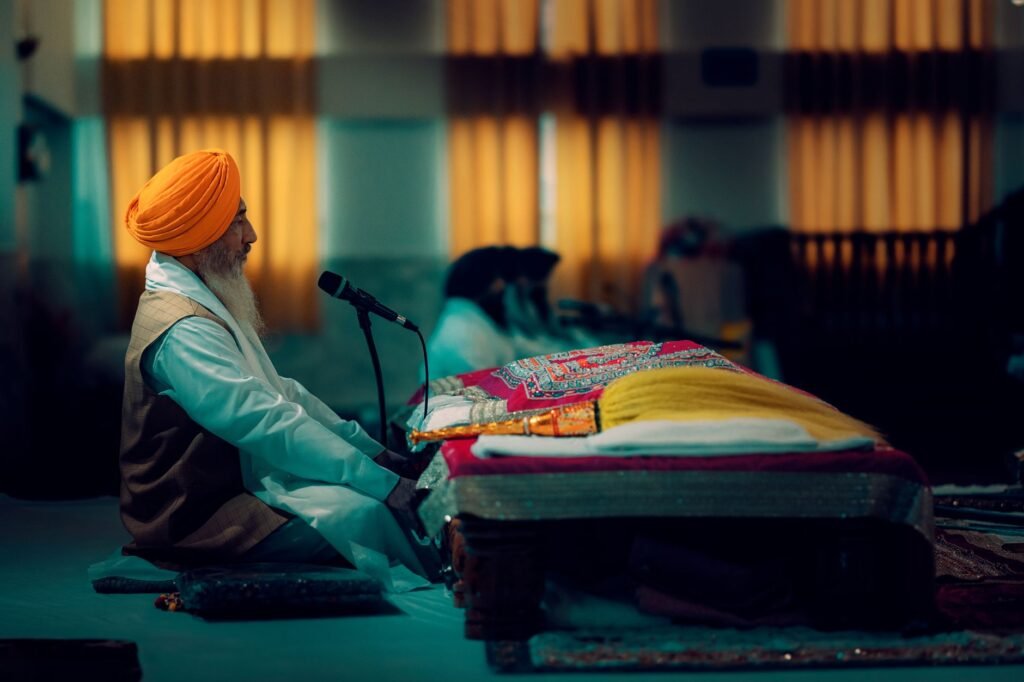
A special community screening of the film ‘Satluj’ took place on Friday evening at Gurdwara Shri Guru Nanak Dev Ji in Nanak Nagar, Jammu. This event occurred shortly after the film was removed from the OTT platform ZEE5, less than 48 hours after its release, following directives from government authorities. The District Gurdwara Parbandhak Committee (DGPC), Jammu, organized the screening, which saw attendance from individuals across various communities eager to watch the film together.
Speaking to ANI, Sardar Jagpal Singh, Treasurer of the DGPC, highlighted the significant turnout, interpreting it as a clear indication of public interest in the film. He further indicated that such screenings are planned to continue at other Gurdwaras in the coming days. “Look at the gathering here; people from all faiths, Hindus, Sikhs, Muslims, and others, are present. The movie started at 8:00 PM, and it is now nearly 10:20 PM. It is baffling why the government or the people involved want to hide the truth. This movie is currently being shown at this Gurdwara, and the screenings will continue at various other Gurdwaras until the 16th,” Singh stated, as reported by ANI.
The film, which features Diljit Dosanjh, has been a subject of considerable attention since its abrupt removal from ZEE5. This action prompted reactions from numerous celebrities and political figures. Information and Broadcasting Ministry officials cited a lack of required certification for a theatrical release as the reason for the film’s removal. An official from the Ministry informed ANI that ‘Satluj’ had not obtained the necessary clearances for a theatrical debut. The official further alleged that instead of adhering to the certification procedures, the filmmakers opted to alter the film’s title and release it on an over-the-top (OTT) platform. This move, according to the official, constituted a violation of the provisions outlined in the Information Technology (Intermediary Guidelines and Digital Media Ethics Code) Rules, 2021.
The narrative of ‘Satluj’ is centered on the life of Jaswant Singh Khalra, an activist who brought to light alleged instances of illegal killings and clandestine cremations that occurred during the late 1980s and early 1990s. This period in Punjab was marked by significant militancy and subsequent counter-insurgency operations. Khalra disappeared in 1995, and his body was later discovered near the Harike Bridge, situated on the Sutlej River. Allegations suggest he was abducted and murdered, with purported involvement of then-Punjab Police officials. The film is directed by Honey Trehan and produced by RSVP and MacGuffin Pictures, with a cast including Arjun Rampal, Kanwaljit Singh, Suvinder Vicky, and Geetika Vidya Ohlyan.
The controversy surrounding the film’s release and subsequent removal has ignited discussions about artistic freedom, censorship, and the portrayal of sensitive historical events. The decision to screen the film in a community setting, particularly at a gurdwara, suggests a deliberate effort by organizers to ensure public access to the content, which they believe disseminates important truths. The attendance of a diverse audience at the Jammu screening underscores the film’s potential to resonate with a broad spectrum of viewers, irrespective of their religious or community affiliations. The DGPC’s commitment to continuing these screenings indicates a sustained effort to counter what they perceive as an attempt to suppress the film’s message.
The Information and Broadcasting Ministry’s stance, as conveyed by its officials, points to procedural irregularities concerning film certification and digital distribution. The ministry’s assertion that the film bypassed the required certification process for theatrical release and then launched on an OTT platform under a different guise raises questions about the regulatory framework governing digital content. The alleged violation of the IT Rules, 2021, suggests a broader concern about compliance with digital media ethics and guidelines. This situation highlights the complex interplay between filmmaking, government regulation, and public dissemination of information, particularly when dealing with subjects that touch upon periods of social and political unrest.
The life and work of Jaswant Singh Khalra, as depicted in the film, represent a critical chapter in the history of Punjab. His efforts to document alleged human rights abuses during a tumultuous period have been a subject of historical inquiry and public memory. The film’s focus on his activism and his ultimate disappearance and death brings to the forefront the risks faced by individuals who challenge established narratives or expose uncomfortable truths. The decision to remove the film from a popular streaming platform, coupled with the government’s explanation regarding certification, has amplified public interest and debate surrounding its content and its implications. The ongoing screenings in Jammu and planned for other locations signal a community-driven response to ensure the film’s visibility and to foster a dialogue about the events it portrays.
The participation of individuals from Hindu, Sikh, and Muslim communities at the gurdwara screening is a significant aspect of the event. It suggests that the film’s themes may transcend religious and communal divides, appealing to a shared interest in historical understanding and justice. The organizers’ emphasis on this diverse attendance serves to counter any potential narrative that the film is of exclusive interest to a particular community. Instead, it positions the film as a matter of broader public concern, inviting collective reflection on the past. The commitment to continue these screenings across multiple Gurdwaras indicates a strategic approach to reach a wider audience and to maintain momentum in the face of the certification controversy.
The film’s journey from its release on ZEE5 to its subsequent removal and now community screenings reflects a dynamic interplay of creative expression, regulatory oversight, and public engagement. The controversy has inadvertently placed a spotlight on the film and its subject matter, potentially drawing more attention than a standard release might have. The organizers of the screenings appear determined to leverage this heightened interest to ensure that the film’s message reaches the public, irrespective of the challenges posed by its distribution. The coming days will likely see further developments as these screenings continue and public discourse around the film evolves.


Tahir Rihat (also known as Tahir Bilal) is an independent journalist, activist, and digital media professional from the Chenab Valley of Jammu and Kashmir, India. He is best known for his work as the Online Editor at The Chenab Times.